The EPA's new fuel efficiency standards have auto makers scrambling to produce electric and hybrid vehicles, but the higher prices of these vehicles deter buyers.


54.5 mpg by 2025 - that's EPA's new fuel efficiency requirement. In order to get there, most analysts believe electrification is necessary - and auto makers are responding, producing a dazzling array of hybrid, plug-in hybrid (or 'extended range EVs), and pure electric (plug-in) vehicles (EVs).
"Analysts do not expect the (hybrid and EV) segment to grow significantly this year: the combination of gas prices below $4 a gallon and higher upfront costs for the cars is not attracting consumers. But that is not deterring Toyota, Honda, Ford Motor and several European carmakers from introducing new hybrid and plug-in models.
However, hybrids and electric cars typically cost at least several thousand dollars more than their conventional counterparts. And most consumers want to be able to recoup the additional cost of an alternative-technology vehicle within a year, Mr. Anwyl of Edmunds.com said. At today's gas prices, the payback generally takes several years, if not more".
Of course, should gas prices take a sudden rise, the market and the regulation may converge. AAA predicts a 'tumultuous year' for gas prices, which may prove fortuitous for these emerging models.
Read the full story: Wanted or Not: Alternative-Fuel Cars Flood Auto Show


Swapping your gas car for an EV is greener than keeping it, research shows
An EV repays the 'carbon debt' caused by building it after 4,400 miles.
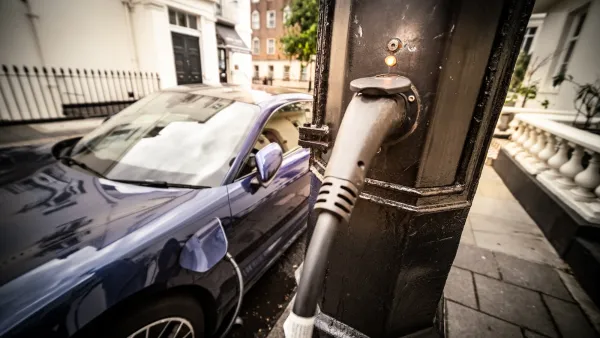
DC light poles will soon charge your electric car
The city awarded three grants to companies that will install more publicly available EV chargers.
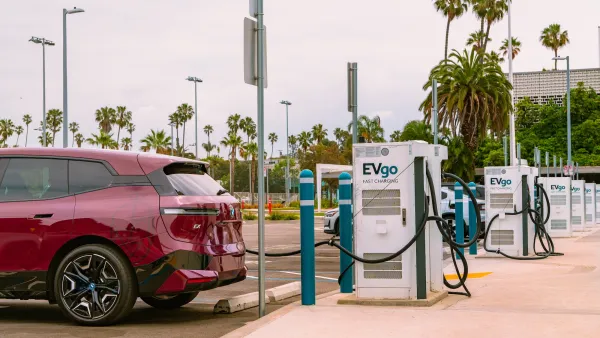
California Beats EV Adoption Goal by Over 1 Million Vehicles
The state pledged to put 1.5 million EVs on its roads by 2025.

Planetizen Federal Action Tracker
A weekly monitor of how Trump’s orders and actions are impacting planners and planning in America.

‘Going backwards:’ Baltimore mayor, students rally against state's transit funding plan
Maryland's proposed six-year plan provides no funding for Baltimore’s BMORE bus program and reduces its road maintenance funding.

Detroit to transform waterfront with $2.2 billion investment
Developers will convert about 18 acres of unused parking lot space into civic spaces.

Less housing, wasted money: study reveals impact of city parking mandates
The study found that 71% of carless households in the United States pay for a parking space they don’t use.

Minnesota seeks to replace fraud-ridden Housing Stabilization Services with new program
Federal prosecutors have charged over a dozen people in fraud cases involving at least $26 million.

A multi-billion dollar problem is brewing under Oakland’s streets
Oakland’s stormwater drainage systems are in desperate need of upgrades and repairs. The El Niño will only further strain the city’s infrastructure.

FREE Course: Walkable City 1: Why Walkability?
After describing his path towards focusing on walkability as the essence of good planning, Jeff Speck marches through his five principal reasons for making more walkable places.
Reinventing Malls: Planning Alchemy—Turning Gray Fields Into Gold
The course focuses on the opportunities and imperatives that shape reinvention of mall sites.

One Hundred Miles
County of Mendocino
planning NEXT
The Architects Foundation
University of Cincinnati Online
Montrose County
Northern Illinois Transit Authority (NITA)
The Pocatello Development Authority