Writing in Grist, Chuck Wolfe provides a counterintuitive look at what to do about potholes and how they could become "the universal darlings of walkable urbanism".


Potholes are a perennial topic of griping in cities worldwide, notes Wolfe, and private efforts at repair can be deemed inappropriate by transportation officials because they may not meet public road standards for materials or safety.
Enter innovation, such as one town in Germany resorted to selling potholes for 50 Euros apiece to fund repair, or the "kamikaze grace" of London's "Pothole Gardener", or a variety of small scale uses:
"Such altered potholes could become the new traffic-calming "woonerfs", [which] make us drive slower, as we must navigate around them to get from here to there, and they are often aimed at increased pedestrian presence on autocentric streets."
Wolfe concludes:
"Potholes could be permanent, in a good way -- which might just accelerate some people's desired evolution away from the car."
Thanks to Chuck Wolfe
Read the full story: In praise of the humble pothole

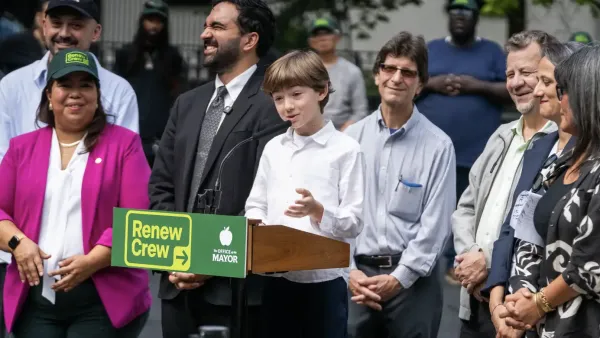
NYC residents are using TikTok to alert Mandami of city infrastructure problems — and it’s working
The format went viral after a NYC resident posted a video of two potholes and found them paved within hours.
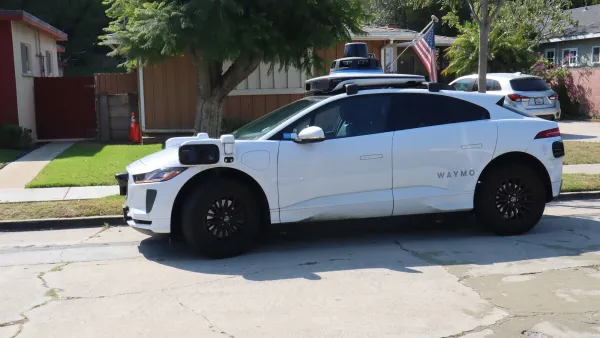
Waymo robotaxis are now finding potholes
The cars use their onboard technology to identify potholes and send the data to city officials and Waze users.

Creative Ways to Activate Roofless Buildings and Vacant Lots
Pocket parks aren’t the only way to repurpose underused urban spaces.

Planetizen Federal Action Tracker
A weekly monitor of how Trump’s orders and actions are impacting planners and planning in America.

California plans to bury El Niño’s downpour
If the state plays its cards right, it may be able to store a billion acre-feet of El Niño’s water in aquifers.

Desperate measures: Advocates weigh draining Lake Powell to fill Colorado River
Draining the reservoir could reduce evaporation losses by a couple hundred thousand acre-feet.

California city breaks ground on transit connector
The project includes three mobility hubs and a pedestrian bridge.

After public outcry, Massachusetts city releases housing development tracker
Cambridge’s tracker currently shows 250 housing projects in various stages of development.

40 years after approval, Chicago breaks ground on new park
The park honors Jean Baptiste Point du Sable, the city’s first permanent non-native settler.

FREE Course: Walkable City 1: Why Walkability?
After describing his path towards focusing on walkability as the essence of good planning, Jeff Speck marches through his five principal reasons for making more walkable places.
Reinventing Malls: Planning Alchemy—Turning Gray Fields Into Gold
The course focuses on the opportunities and imperatives that shape reinvention of mall sites.

City of Rosemead
Rutgers University, Edward J. Bloustein School of Planning and Public Policy
One Hundred Miles
Hunter College, City University of New York (CUNY)
The Architects Foundation
University of Cincinnati Online
City of Cambridge
Montrose County
The Pocatello Development Authority