On Monday, Manhattan's last traditional parking meters will be uprooted and replaced by a sleek, solar-powered machine. This article contains a brief look back at the joys and pains of the meter as well as a glimpse forward.


"The city's Transportation Department, which recently accelerated its meter retirement program, says the change will benefit city and citizen alike: the new meters read credit cards, speak seven languages, require less maintenance, and free up room on the sidewalk.
But the death of the classic meter also means an end to some of New York's smaller pleasures: the satisfying clunk of a coin in its slot, the illicit thrill of finding an extra few minutes still counting down.
'We're losing the driver's version of a lottery ticket,' said Samuel I. Schwartz, a former city traffic engineer and transportation commissioner.
'Pulling up to a single-space meter and discovering there was 30 minutes on it from the previous owner - what a joy that was! Even if it was only saving you a dime, somehow it made my day.'"
Read the full story: The Last Days of the Old Parking Meter

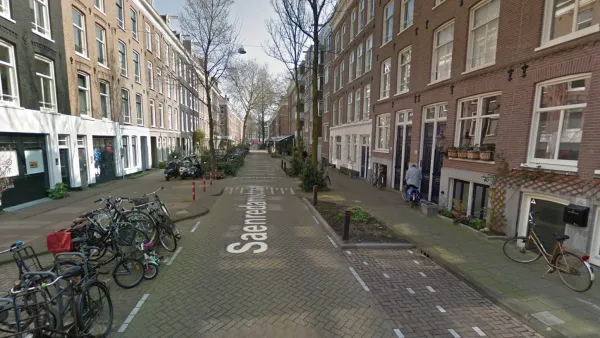
Watch: How to Remove Thousands of Parking Spaces
What the city of Amsterdam will gain by removing cars from on-street parking space.
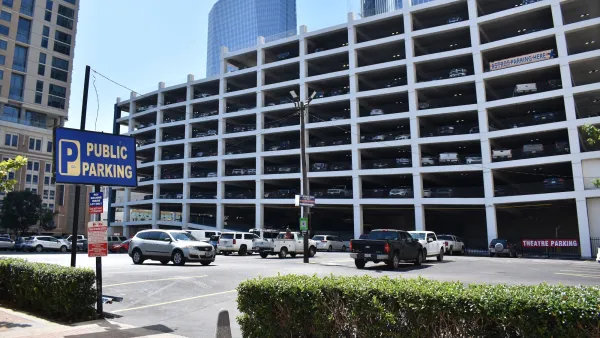
Downtown Houston parking garage will take up an entire block
The garage will connect to the Houston Center retail complex, a 4.6-million square foot office and commercial site.
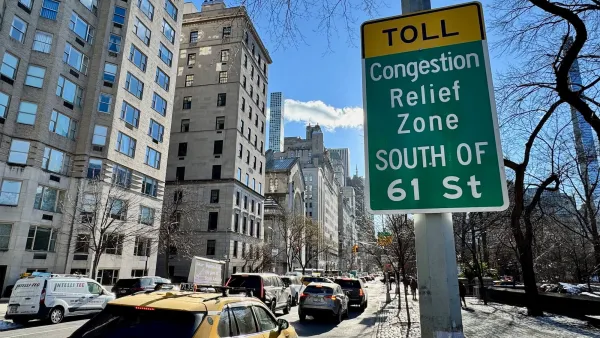
Study: NYC congestion pricing didn't impact parking demand
A city report shows that free parking, not congestion pricing, is the main driver of limited parking demand in the city.

Planetizen Federal Action Tracker
A weekly monitor of how Trump’s orders and actions are impacting planners and planning in America.

Chicago breaks ground on $3 billion megadevelopment
The new neighborhood, titled Foundry Park, will one day host 3,700 residences.

This MA town is drowning in its own sewage — and residents like it that way
Susan Murcott, a waste water expert, said if Carlisle didn't address their leaking sewage, the problem could turn “deadly.”

Feds to more closely scrutinize proposed Amtrak facility’s environmental impact
The Federal Railroad Administration had initially said the facility qualified for a less extensive environmental review.

Boston is hard to build housing in: its chief of planning wants to keep it that way
Chief of Planning Kairos Shen said she would not make changes to Boston’s affordability requirements for new housing, which critics say have slowed down development.

California plans to bury El Niño’s downpour
If the state plays its cards right, it may be able to store a billion acre-feet of El Niño’s water in aquifers.

FREE Course: Walkable City 1: Why Walkability?
After describing his path towards focusing on walkability as the essence of good planning, Jeff Speck marches through his five principal reasons for making more walkable places.
Reinventing Malls: Planning Alchemy—Turning Gray Fields Into Gold
The course focuses on the opportunities and imperatives that shape reinvention of mall sites.

City of Rosemead
Rutgers University, Edward J. Bloustein School of Planning and Public Policy
One Hundred Miles
Hunter College, City University of New York (CUNY)
The Architects Foundation
University of Cincinnati Online
Montrose County
The Pocatello Development Authority
The Urban Renewal Agency of the City of Pocatello