Peak period pricing on the Bay Bridge, enacted by the regional Bay Area Toll Authority on July 1, is the first application of congestion pricing for driving in the Bay Area. Officials in San Francisco feel the outcome is favorable for their project.


Make no mistake - these are two separate projects by two different agencies - both involving different applications of congestion pricing. However, the goals are similar - shift driving to off-peak times, and shifting drivers from single occupant vehicles to alternatives.
"San Francisco officials are watching closely to see if higher tolls on the Bay Bridge might help the city make the case for charging fees to drive into downtown in high-traffic periods -- and so far, the evidence is promising.
(E)xecutives from the San Francisco County Transportation Authority planning to bring a citywide congestion pricing plan before the Board of Supervisors this fall were encouraged by the trend toward public transit."
"We do think that it is too early to draw any conclusions," SFCTA deputy director for planning Tilly Chang said. "But the general indication is that people are shifting their behavior in some way, which is the goal of congestion pricing."
Thanks to Climate Plan
Read the full story: Bay Bridge tolls a boost for congestion pricing?
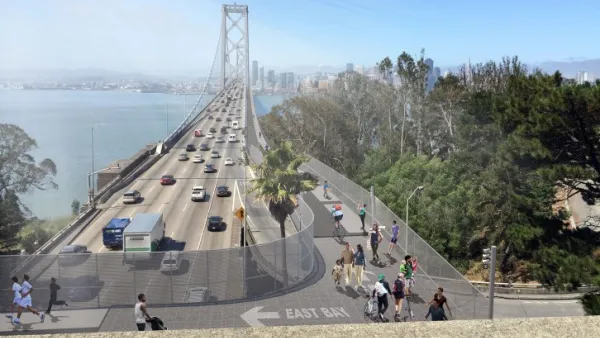
Planning Underway for New Bay Bridge Bike Path, and a Second Transbay BART Tube
In a distant and expensive future, there are two new ways to get across the San Francisco Bay without a car. One will have a much better view.
Recommendations for Improving the Bay Area's Busiest Commute
One of the nation's busiest commute corridors will get a lot busier in coming decades with no large infrastructure investment in sight. SPUR has some ideas about how the East Bay to San Francisco corridor can be improved right now.
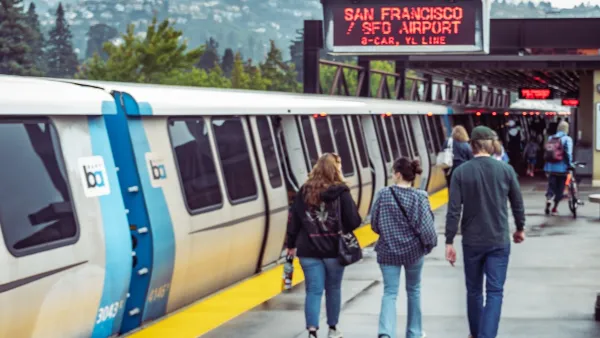
Bay area voters pass ‘crucial lifeline’ for transit
Proposition RTM, which will fund Bay Area transit, has approval from 61% of voters as of 9:45 p.m. on Nov. 3.

Eastern Nebraska is running out of electricity
Data centers and electrification are straining eastern Nebraska’s grid, throttling economic development.

Move over, LA: St. Louis gears up for Olympics, invests millions in downtown redevelopment
The Missouri city will host the 2028 Olympic soccer group stage and knockout matches.
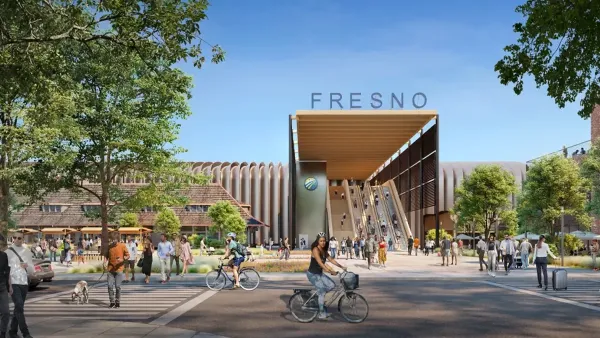
California High-Speed Rail Authority picks trainset manufacturer
The California High-Speed Rail Authority aims to start servicing passengers by 2033.

Dallas releases zoning code overhaul to officials
The drafted overhaul is over 400 pages long.

NYC renovations for dangerous, ‘mercilessly crammed’ street delayed until 2027
Construction was supposed to begin this fall.

San Diego’s Midway Rising project gets greenlight from city council
The project looks to become the largest affordable housing development in California's history.

FREE Course: Walkable City 1: Why Walkability?
After describing his path towards focusing on walkability as the essence of good planning, Jeff Speck marches through his five principal reasons for making more walkable places.
Reinventing Malls: Planning Alchemy—Turning Gray Fields Into Gold
The course focuses on the opportunities and imperatives that shape reinvention of mall sites.

City of Rosemead
Rutgers University, Edward J. Bloustein School of Planning and Public Policy
One Hundred Miles
University of Michigan School for Environment and Sustainability (SEAS)
Hunter College, City University of New York (CUNY)
The Architects Foundation
City of Cambridge
The Pocatello Development Authority
The Urban Renewal Agency of the City of Pocatello