...and expands almost nine-fold to be the nation's second largest. While not as proximate to the BART gates as the existing ten-year-old, 400 sq. ft station, it will be only be half a block away.


Anyone using the present station knows how cramped the quarters are. With the move above-ground on Shattuck Ave., it becomes more of a Berkeley Bike Station and less of a BART bike station.
Berkeley takes cycling seriously, as shown by the City Council overruling "their own staff and committed $60,000 a year for five years to run the station. BART is contributing $100,000 a year, and it got a $500,000 start up grant procured by both BART and the city."
"Gene Oh, owner of Alameda Bicycle, said for a charge of 3 cents an hour between the hours of 9 a.m. and 5 p.m. and 1 cent an hour after that, bike commuters can become members and have self service access through a key card 24-hours a day.
Valet parking is free for anyone who wants to leave their bike in downtown Berkeley from 9 a.m. to 5 p.m." Capacity is 268 bikes.
Thanks to MTC Headlines
FULL STORY: Berkeley bike station set to open July 1


Planning Commission Calls for More Density at Berkeley BART Stations
Berkeley planning commissioners recommend taller buildings, more density as the city evaluates zoning changes near BART stations.
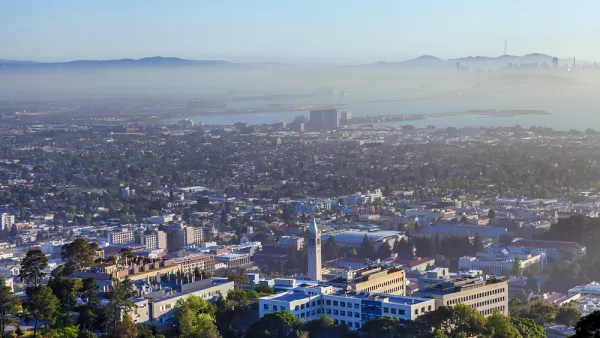
Groundbreaking Affordable Housing and Homeless Shelter Project Underway in Berkeley
A new Berkeley development, the largest affordable housing development in city history, is slated to house 200 low-income and homeless residents by May 2022.

Plans for TOD Housing at Berkeley BART Station
The city is behind plans to turn parking lots around the North Berkeley BART station into much-needed housing.

The state-sanctioned urbicide of Austin
People don’t kill cities. Freeways do.

US to reduce Colorado River water deliveries to Mexico
A new Colorado Treaty amendment reduces Mexico’s Colorado River water allocation by 250,000 acre feet.

New Jersey’s second-largest city bans standalone data centers
Jersey City will continue to allow co-location facilities, such as those meant for research institutions that store their own data.

Amtrak not solely to blame for New Jersey commuter rail's unreliability, report finds
A new study from the Garden State Initiative found that NJ Transit’s budget grew 20% across a 4 year period, but reliability declined significantly over the same period.

EPA erases limits on planet-warming pollution from power plants
Under Monday’s plan, power plants would still have some limits on how much mercury, arsenic and other contaminants they can emit.

Phoenix announces new on-demand transit service, more frequent RAPID buses
Both new services will launch in October, and are part of Phoenix's Project Effective Access Solutions for Easing Congestion.

FREE Course: Walkable City 1: Why Walkability?
After describing his path towards focusing on walkability as the essence of good planning, Jeff Speck marches through his five principal reasons for making more walkable places.
Reinventing Malls: Planning Alchemy—Turning Gray Fields Into Gold
The course focuses on the opportunities and imperatives that shape reinvention of mall sites.

Eagle County Government
Harvard University Graduate School of Design
Nashville Planning Department
The Architects Foundation
University of Cincinnati Online
The Pocatello Development Authority
The Urban Renewal Agency of the City of Pocatello
Journal of the American Planning Association