A Texas state senator wants to prevent any discussion of congestion pricing and could suspend existing bike lane and sidewalk projects.



A proposed Texas state bill would prohibit cities from narrowing traffic lanes to build bike, pedestrian, or transit infrastructure and ban congestion pricing, reports Megan Kimble in the Houston Chronicle. “The bill, authored by state Sen. Paul Bettencourt, is meant to stop counties and cities from implementing ‘vehicle bans, street closures, or congestion pricing,’ according to his statement of intent.” According to Bettencourt, the bill is designed to prevent a “congestion fee out of the blue type discussion.”
For road safety advocates, the bill amounts to an attack on safe pedestrian spaces. “This wouldn't be the first time the state intervened to stop cities from implementing so-called road diets, which remove car lanes or parking spaces in targeted areas and replace them with wider sidewalks and bus and bike lanes.” In 2022, the Texas Transportation Commission stopped a bike lane project in San Antonio that had been approved by voters. Other current proposals by state legislators would kill funding for Dallas Area Rapid Transit and the Austin-area Project Connect.
FULL STORY: Texas bill would bar cities from narrowing streets for new bike and pedestrian zones

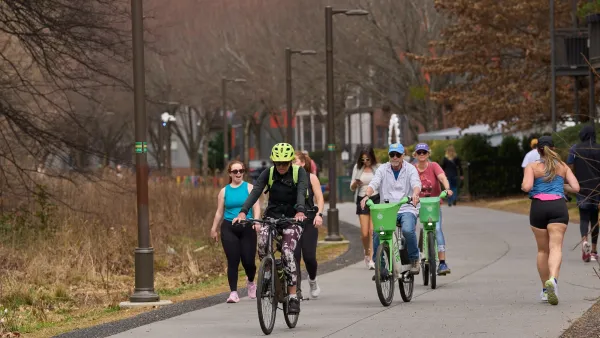
Atlanta could add dedicated bike lane to Beltline
A city councilmember says a dedicated lane would prevent conflicts between cyclists and pedestrians, but others worry it would impede efforts to build transit along the Beltline.
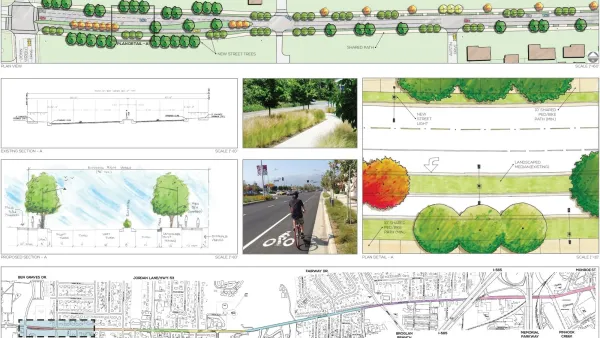
Huntsville, Alabama Launches $30M Complete Streets Project
A redesign of Holmes Avenue will bring new sidewalks, bike lanes, lighting, and street furniture to the corridor.
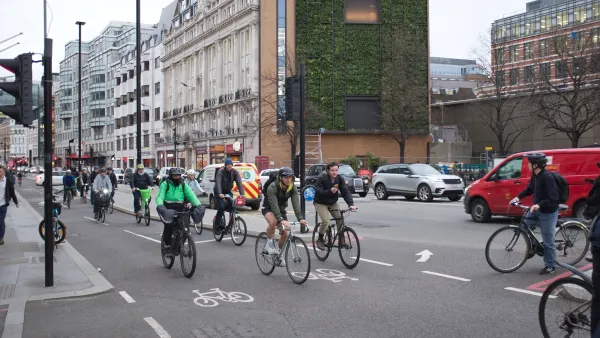
Study: Induced Demand Works for Bikes and Transit, too
If you build it — bike infrastructure, bus lanes, and sidewalks, that is — they will come.

The state-sanctioned urbicide of Austin
People don’t kill cities. Freeways do.

US to reduce Colorado River water deliveries to Mexico
A new Colorado Treaty amendment reduces Mexico’s Colorado River water allocation by 250,000 acre feet.

New Jersey’s second-largest city bans standalone data centers
Jersey City will continue to allow co-location facilities, such as those meant for research institutions that store their own data.

Amtrak not solely to blame for New Jersey commuter rail's unreliability, report finds
A new study from the Garden State Initiative found that NJ Transit’s budget grew 20% across a 4 year period, but reliability declined significantly over the same period.

EPA erases limits on planet-warming pollution from power plants
Under Monday’s plan, power plants would still have some limits on how much mercury, arsenic and other contaminants they can emit.

Phoenix announces new on-demand transit service, more frequent RAPID buses
Both new services will launch in October, and are part of Phoenix's Project Effective Access Solutions for Easing Congestion.

FREE Course: Walkable City 1: Why Walkability?
After describing his path towards focusing on walkability as the essence of good planning, Jeff Speck marches through his five principal reasons for making more walkable places.
Reinventing Malls: Planning Alchemy—Turning Gray Fields Into Gold
The course focuses on the opportunities and imperatives that shape reinvention of mall sites.

Eagle County Government
Harvard University Graduate School of Design
Nashville Planning Department
The Architects Foundation
University of Cincinnati Online
The Pocatello Development Authority
The Urban Renewal Agency of the City of Pocatello
Journal of the American Planning Association