Localized power grids, sometimes sourced from renewable sources, can make energy systems more resilient and reliable.


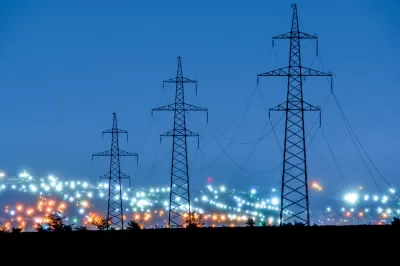
Local microgrids are helping U.S. communities keep the lights on during power outages and facilitating the shift to renewable energy.
As Eric Krebs explains in an article for Reasons to be Cheerful, “Microgrids consist of generation devices along with management systems that control voltage and distribution of power. Their technology allows for cleaner, more efficient and more reliable power to buildings and communities in the event of greater grid failures.”
“According to the Department of Energy, there are some 1,100 active microgrid installations in the U.S., with new installations planned everywhere from Maine to Hawaii,” Krebs adds, generating over five million kilowatts. Meanwhile, even microgrids that can’t fully support their areas in the event of power failures make blackouts less likely by reducing pressure on the larger grid and providing stability.
FULL STORY: Green Microgrids Are Powering a More Resilient Future


America’s 10 ‘Greenest’ Cities
A new analysis ranks cities based on their environmental quality, energy consumption and production, transportation, density, and other factors.

Renewable Energy Under Pressure: Lessons on Grid Resilience in Extreme Weather From Texas and California
How preparation and modern infrastructure can prevent power failures in an era of climate change.
Florida Rolls Back Renewable Energy Goals
A new state law eliminates language calling for a reduction in greenhouse gas emissions and makes it easier to build natural gas pipelines.

Planetizen Federal Action Tracker
A weekly monitor of how Trump’s orders and actions are impacting planners and planning in America.

The state-sanctioned urbicide of Austin
People don’t kill cities. Freeways do.

US to reduce Colorado River water deliveries to Mexico
A new Colorado Treaty amendment reduces Mexico’s Colorado River water allocation by 250,000 acre feet.

5 New England states march closer to 800 megawatt wind energy project
Securing federal approval for the project may be complicated under the Trump administration, which has historically been hostile towards domestic wind power.

Baltimore to break ground on $50 million Transit Priority Project
The project will bring faster bus trips, safer streets and better bike connections to Baltimore.

Airbnb launches $250 million 'last-dollar financing' housing accelerator, makes first investment in Austin
The company will put $6.4 million towards affordable housing development in Texas’ capital.

FREE Course: Walkable City 1: Why Walkability?
After describing his path towards focusing on walkability as the essence of good planning, Jeff Speck marches through his five principal reasons for making more walkable places.
Reinventing Malls: Planning Alchemy—Turning Gray Fields Into Gold
The course focuses on the opportunities and imperatives that shape reinvention of mall sites.

Eagle County Government
Harvard University Graduate School of Design
Nashville Planning Department
The Architects Foundation
University of Cincinnati Online
The Pocatello Development Authority
The Urban Renewal Agency of the City of Pocatello
Journal of the American Planning Association