A new analysis ranks cities based on their environmental quality, energy consumption and production, transportation, density, and other factors.


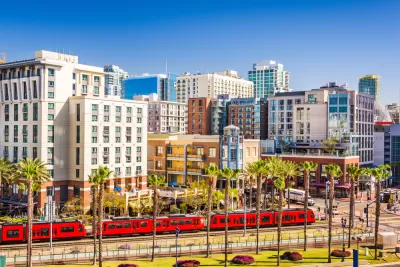
An analysis of the 100 largest U.S. cities reveals the “greenest” urban centers based on 28 metrics including air and water quality, greenhouse gas emissions, transportation patterns and walkability, green job opportunities, and more.
As Samanda Dorger notes in The Street, “Many U.S. cities have recognized the economic advantages of sustainability efforts such as clean energy, recycling, composting, urban agriculture and clean transportation.”
According to the list, the greenest city in the United States is San Diego. California cities take six of the top 10 spots, with San Francisco ranking fourth, San Jose fifth, and the smaller communities of Fremont and Irvine rounding out the list.
Other top green cities are Washington, D.C., Honolulu, Seattle, and Portland. “Cities that ranked in the bottom five were: Glendale, Ariz., Hialeah Fla., Houston, Mesa, Ariz. and Baton Rouge, La.”
FULL STORY: Top 10 Greenest U.S. Cities

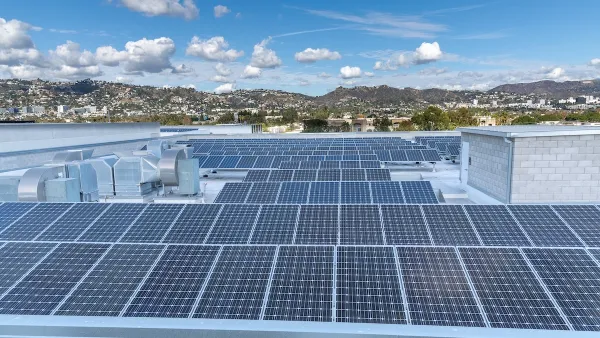
How Los Angeles County is Advancing Sustainability
A recently released report by the Chief Sustainability Office (CSO) shows that L.A. County is making progress on meeting the goals of the OurCounty Sustainability Plan.
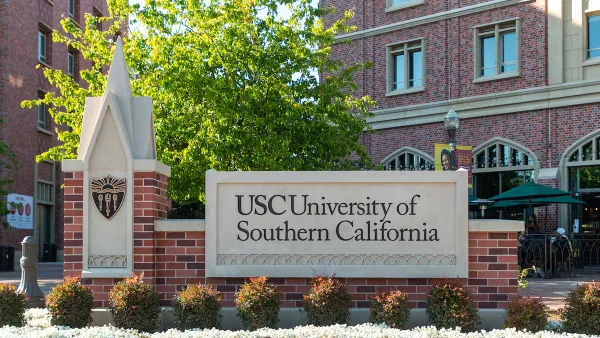
Sustainability Expert Becomes Dean of USC’s School of Public Policy
Chris Boone, a sustainability leader, becomes dean of the USC Price School of Public Policy, where he aims to advance interdisciplinary solutions and sustainability initiatives while building on the school’s legacy of public policy leadership.
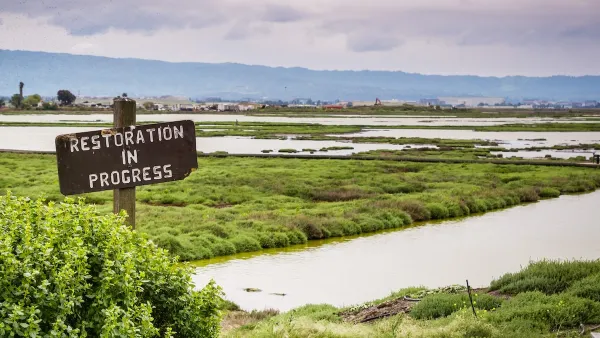
Nature-Based Solutions for Sustainable Climate Action
These solutions offer cost-effective, sustainable methods to combat climate change, but require government action to reallocate subsidies, integrate natural assets into financial systems, and develop biodiversity credit markets.

Planetizen Federal Action Tracker
A weekly monitor of how Trump’s orders and actions are impacting planners and planning in America.

The state-sanctioned urbicide of Austin
People don’t kill cities. Freeways do.

US to reduce Colorado River water deliveries to Mexico
A new Colorado Treaty amendment reduces Mexico’s Colorado River water allocation by 250,000 acre feet.

Airbnb launches $250 million 'last-dollar financing' housing accelerator, makes first investment in Austin
The company will put $6.4 million towards affordable housing development in Texas’ capital.

Guerilla urbanists are building DIY bus stop benches in Chicago
A before-and-after of one of the bus stops with a new bench. The new benches are not officially sanctioned or permitted, but the residents who placed them hope they will be the start of a network of DIY benches across the city.

Mamdani overhauls NYC's Vision Zero plan with 100 new policy goals
The overhaul aims to reduce traffic deaths and make streets safer for pedestrians, cyclists and drivers through lower speed limits, new safety infrastructure and more.

FREE Course: Walkable City 1: Why Walkability?
After describing his path towards focusing on walkability as the essence of good planning, Jeff Speck marches through his five principal reasons for making more walkable places.
Reinventing Malls: Planning Alchemy—Turning Gray Fields Into Gold
The course focuses on the opportunities and imperatives that shape reinvention of mall sites.

Eagle County Government
Harvard University Graduate School of Design
Nashville Planning Department
The Architects Foundation
University of Cincinnati Online
The Pocatello Development Authority
The Urban Renewal Agency of the City of Pocatello
Journal of the American Planning Association