Getting more people on bikes requires safe, comfortable bike infrastructure and connectivity to transit.



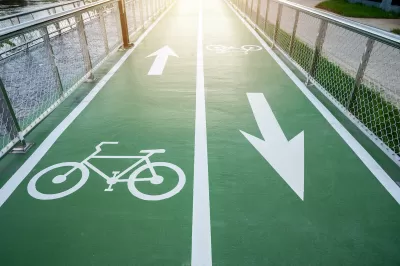
May is National Bike Month, and cycling advocates around the country are both celebrating recent victories and calling attention to the work that remains to make U.S. bike infrastructure safe and comprehensive. While some cities have made significant strides in building out their protected bike lane networks and making it easier to connect biking with other transit options, others continue to lag behind. Despite a plethora of Vision Zero pledges, cyclist and pedestrian deaths remain at all-time highs in many parts of the country.
Which cities rate highest for bike infrastructure? Where do bike commuters use facilities the most? Where can you get a government subsidy for buying an e-bike? Find out below!
U.S. cities with highest 2023 PeopleForBikes bike scores:
- Provincetown, Massachusetts
- Crested Butte, Colorado
- Blue Diamond, Nevada
- Murdock, Nebraska
- Ashland, Wisconsin
- Jackson, Wyoming
- Davis, California
- Aspen, Colorado
- Shorewood, Wisconsin
- Ankeny, Iowa
Large U.S. cities with highest 2023 PeopleForBikes bike scores:
- Minneapolis, Minnesota
- San Francisco, California
- Seattle, Washington
- Philadelphia, Pennsylvania
- Portland, Oregon
- New York City, New York
- St. Paul, Minnesota
- Washington, D.C.
- Milwaukee, Wisconsin
- Detroit, Michigan
U.S. cities with the highest percentage of bike commuters*
- Portland, Oregon: 6.3%
- Washington, D.C.: 5%
- Minneapolis, Minnesota: 3.9%
- San Francisco, California: 3.1%
- New Orleans, Louisiana: 2.9%
- Seattle, Washington: 2.8%
- Philadelphia, Pennsylvania: 2.6%
- Tucson, Arizona: 2.5%
- Oakland, California: 2.3%
- Denver, Colorado: 2.2%
*This list is based on 2019 data, but conditions in some cities have changed since then.
U.S. cities with e-bike subsidies*
- Alameda County, California
- Berkeley, California
- Contra Costa County, California
- Healdsburg, California
- Los Angeles County, California
- Monterey County, California
- Orange County, California
- Pasadena, California
- Redding, California
- Riverside County, California
- San Bernardino County, California
- San Francisco, California
- Santa Barbara, California
- Santa Clara, California
- Santa Cruz, California
- Boulder, Colorado
- Denver, Colorado
- Atlanta, Georgia
- Bloomington, Indiana (on hold)
- Raleigh, North Carolina
- Columbus, Ohio
- Ashland, Oregon
- Eugene, Oregon
- Austin, Texas
- Washington, D.C.
Additionally, Colorado, Connecticut, Hawaii, Rhode Island, and Vermont offer statewide incentives, and bills supporting e-bike rebates are making their way through more state legislatures.
*Some smaller incentive programs exist that may not be included in this list.

Fort Worth To Relaunch Bike Share System in January
Trinity Metro shuttered its current system at the end of November and plans to relaunch with a mostly-electric system.
Indy Bike Share Sees Sharp Growth Thanks to Free Pass Program
A new fleet of e-bikes and free access for Marion County residents are getting more people on bikes.
Bike Month Is Over — But the Work Continues
The effort to build better bike infrastructure in U.S. cities remains an uphill battle, but there are bright spots.

The state-sanctioned urbicide of Austin
People don’t kill cities. Freeways do.

US to reduce Colorado River water deliveries to Mexico
A new Colorado Treaty amendment reduces Mexico’s Colorado River water allocation by 250,000 acre feet.

New Jersey’s second-largest city bans standalone data centers
Jersey City will continue to allow co-location facilities, such as those meant for research institutions that store their own data.

Amtrak not solely to blame for New Jersey commuter rail's unreliability, report finds
A new study from the Garden State Initiative found that NJ Transit’s budget grew 20% across a 4 year period, but reliability declined significantly over the same period.

EPA erases limits on planet-warming pollution from power plants
Under Monday’s plan, power plants would still have some limits on how much mercury, arsenic and other contaminants they can emit.

Phoenix announces new on-demand transit service, more frequent RAPID buses
Both new services will launch in October, and are part of Phoenix's Project Effective Access Solutions for Easing Congestion.

FREE Course: Walkable City 1: Why Walkability?
After describing his path towards focusing on walkability as the essence of good planning, Jeff Speck marches through his five principal reasons for making more walkable places.
Reinventing Malls: Planning Alchemy—Turning Gray Fields Into Gold
The course focuses on the opportunities and imperatives that shape reinvention of mall sites.

Eagle County Government
Harvard University Graduate School of Design
Nashville Planning Department
The Architects Foundation
University of Cincinnati Online
The Pocatello Development Authority
The Urban Renewal Agency of the City of Pocatello
Journal of the American Planning Association

