Active Transportation grants are aimed at helping communities build and maintain bike and pedestrian infrastructure.


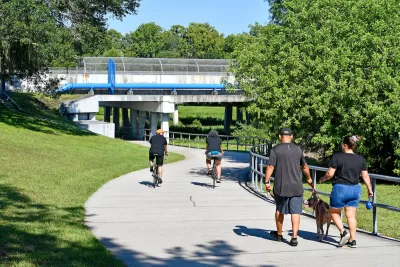
Applications are now open for a $44.5 million round of Active Transportation Infrastructure Investment Program (ATIIP) grants from the Federal Highway Administration (FHWA), according to an article by Helen Norman in Traffic Technology Today.
The grants are designed to support bike and pedestrian projects that improve mobility and connectivity. “As part of the program, FHWA will award competitive grants to help communities plan, design, or construct safe and connected active transportation networks such as sidewalks, bikeways, and trails that connect destinations such as schools, workplaces, residences, businesses, recreation areas and medical facilities within a community or metropolitan region.”
The grants also cover projects that build or expand trails or other pedestrian facilities between multiple cities or states. “FHWA is taking other actions to make travel safer for bicyclists, pedestrians, and other road users, including efforts undertaken as part of the National Roadway Safety Strategy, and updated bicycle and pedestrian guidance that FHWA Division Offices can use to assist state and local transportation agencies.”
FULL STORY: FHWA to provide US$45m to improve bicyclist and pedestrian connectivity and safety

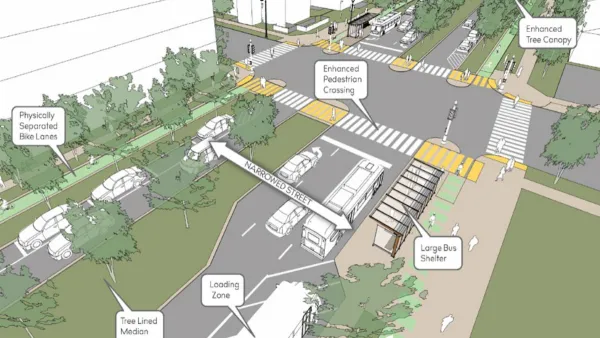
Trump Killed Funding for Milwaukee's Dreamy Multimodal Street. They're Determined to Make it Happen Anyway.
The administration rescinded a $36 million Reconnecting Communities grant aimed at redesigning a 2.6-mile segment of 6th Street.
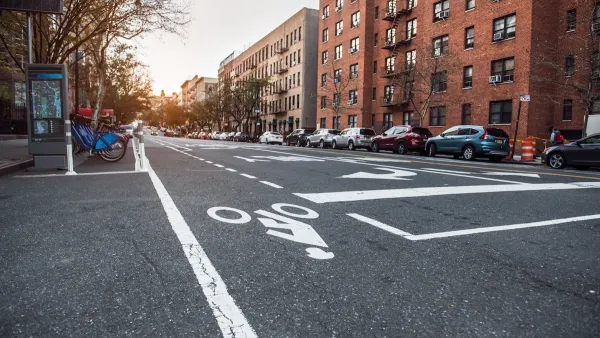
Safe Streets Grants: What to Know
This year’s round of Safe Streets for All grant criteria come with some changes.
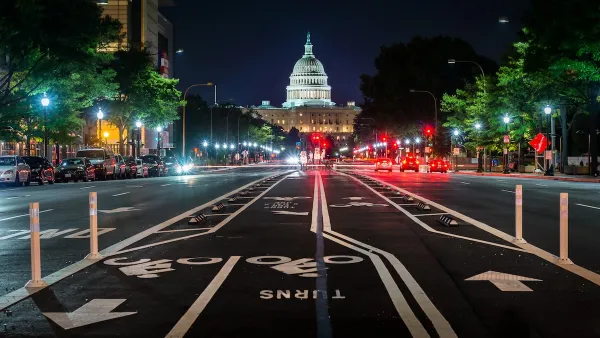
Safe Streets Funding in Jeopardy
The Trump administration is specifically targeting bike infrastructure and other road safety projects in its funding cuts.

The state-sanctioned urbicide of Austin
People don’t kill cities. Freeways do.

US to reduce Colorado River water deliveries to Mexico
A new Colorado Treaty amendment reduces Mexico’s Colorado River water allocation by 250,000 acre feet.

New Jersey’s second-largest city bans standalone data centers
Jersey City will continue to allow co-location facilities, such as those meant for research institutions that store their own data.

Amtrak not solely to blame for New Jersey commuter rail's unreliability, report finds
A new study from the Garden State Initiative found that NJ Transit’s budget grew 20% across a 4 year period, but reliability declined significantly over the same period.

EPA erases limits on planet-warming pollution from power plants
Under Monday’s plan, power plants would still have some limits on how much mercury, arsenic and other contaminants they can emit.

Phoenix announces new on-demand transit service, more frequent RAPID buses
Both new services will launch in October, and are part of Phoenix's Project Effective Access Solutions for Easing Congestion.

FREE Course: Walkable City 1: Why Walkability?
After describing his path towards focusing on walkability as the essence of good planning, Jeff Speck marches through his five principal reasons for making more walkable places.
Reinventing Malls: Planning Alchemy—Turning Gray Fields Into Gold
The course focuses on the opportunities and imperatives that shape reinvention of mall sites.

Eagle County Government
Harvard University Graduate School of Design
Nashville Planning Department
The Architects Foundation
University of Cincinnati Online
The Pocatello Development Authority
The Urban Renewal Agency of the City of Pocatello
Journal of the American Planning Association