The new tool highlights the streets that pose the biggest risk to pedestrians and other road users.



Officials in Louisville, Kentucky have a new tool to assess which local roads are in need of safety improvements as part of its Vision Zero effort to elimiate traffic deaths, reports Jacob Munoz for Louisville Public Media. “More than 900 people died in Louisville from surface road crashes from 2016-23, and nearly 4,200 others were suspected to have been seriously injured in collisions.”
“Louisville Metro Government’s Vision Zero initiative, which aims to strengthen traffic safety, released its first High Injury Network map in January. The tool provides a priority list of 53 corridors that officials can consider for safety improvements.” The roads in the network make up 5 percent of non-interstate miles in the city, but experience over half of fatal and serious injury crashes. “Most of the high-risk roads identified on the map are state-owned, meaning the Kentucky Transportation Cabinet would need to sign off on improvement projects,” Munoz adds. The city says the map is already helping guide decisions on infrastructure improvements.
Read the full story: Louisville’s High Injury Network could help prioritize improving safety on certain roads

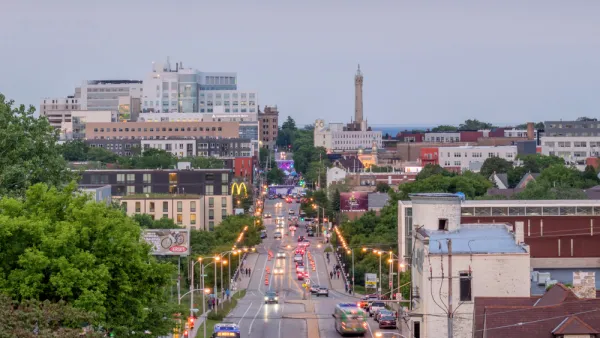
Milwaukee Launches Vision Zero Plan
Seven years after the city signed its Complete Streets Policy, the city is doubling down on its efforts to eliminate traffic deaths.
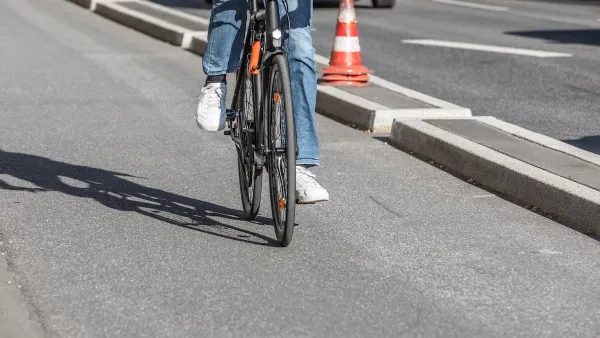
Southeast LA Road Safety Advocates Call for Improved Infrastructure
Streets in southeastern Los Angeles County have a severe lack of protected bike lanes and traffic safety measures, leading to high numbers of fatalities in a community where many residents depend on walking and biking for daily needs.
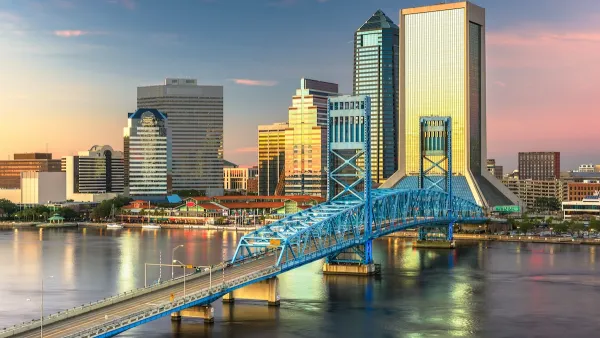
Jacksonville Takes Action on Vision Zero
The city is implementing its first-ever Vision Zero Action Plan in an effort to reduce pedestrian and cyclist deaths and serious injuries.

Planetizen Federal Action Tracker
A weekly monitor of how Trump’s orders and actions are impacting planners and planning in America.

The state-sanctioned urbicide of Austin
People don’t kill cities. Freeways do.

US to reduce Colorado River water deliveries to Mexico
A new Colorado Treaty amendment reduces Mexico’s Colorado River water allocation by 250,000 acre feet.

Nation's most wind-powered state turns to coal as data centers increase energy demand
For the first time in decades, Iowa has increased its generation of coal power.

NYC cools commuters with city's first rain garden above a bus stop
New York City officials say the plants in the rain garden can absorb 16 gallons of rainwater during heavy storms.

Brightline West’s future may rely on $6 billion federal loan
The company has until Nov. 2 to make a $400 million equity investment into its proposed high-speed rail line.

FREE Course: Walkable City 1: Why Walkability?
After describing his path towards focusing on walkability as the essence of good planning, Jeff Speck marches through his five principal reasons for making more walkable places.
Reinventing Malls: Planning Alchemy—Turning Gray Fields Into Gold
The course focuses on the opportunities and imperatives that shape reinvention of mall sites.

Eagle County Government
Harvard University Graduate School of Design
Nashville Planning Department
The Architects Foundation
University of Cincinnati Online
The Pocatello Development Authority
The Urban Renewal Agency of the City of Pocatello
Journal of the American Planning Association