While American roads didn’t get much safer by the numbers, new policies indicate a shift toward a more sustainable transportation future.


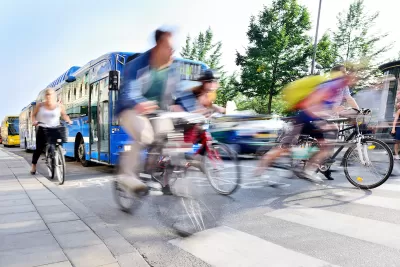
Sustainable transportation had its ups and downs this year, and Streetsblog has compiled a comprehensive list of both.
The bad news first: “2023 was a rocky year for sustainable transportation advocates across the country, starting with the announcement of the final road death toll for 2022, which was, once again, a record breaker.” Meanwhile, highway construction and expansion continues relatively unabated despite federal pledges to ‘Reconnect Communities,’ and transit ridership continued to lag in many cities, putting transit agencies in bigger financial holes.
However, positive developments also made 2023 a successful year. Among the highlights: Safe Streets for All grants that could have a significant impact on traffic safety and walkability, tighter rules around greenhouse gas emissions, and minimum parking requirements falling like dominoes in cities around the country. In general, advocates are sensing a shift in mindset, signaling that “Americans intuitively understand what's broken about American transportation.”
Read the full story: The Best News of 2023 For Sustainable Transportation Advocates
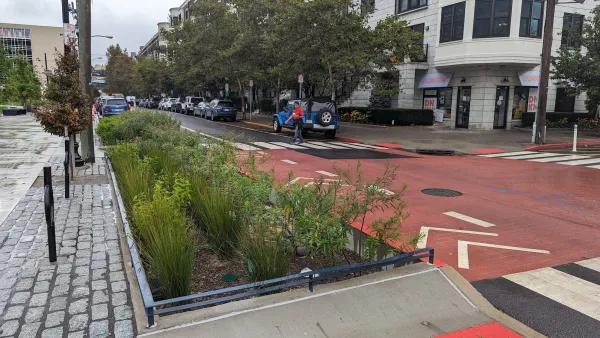
Hoboken's $20 Vision Zero fix
The New Jersey city eliminated traffic deaths for the last nine years in a row.
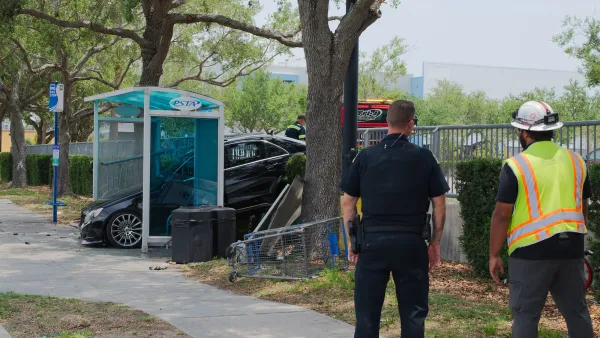
Buses are very safe. The walk to and from stations, not so much.
A disproportionate number of crashes involving pedestrians happen near transit stops.
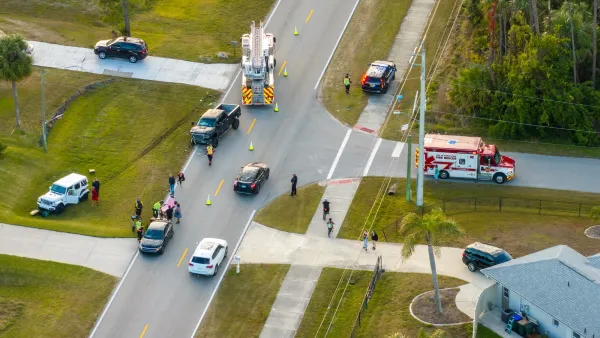
Pedestrian Deaths Fell by Largest Percentage in 15 Years, but Remain Above Pre-Pandemic Levels
After a spike in deaths during the Covid-19 years, road deaths fell to 3,024 in the first half of 2025.

Planetizen Federal Action Tracker
A weekly monitor of how Trump’s orders and actions are impacting planners and planning in America.

California plans to bury El Niño’s downpour
If the state plays its cards right, it may be able to store a billion acre-feet of El Niño’s water in aquifers.

Desperate measures: Advocates weigh draining Lake Powell to fill Colorado River
Draining the reservoir could reduce evaporation losses by a couple hundred thousand acre-feet.

Chicago voters approve permanent festival grounds, penalty for vacant property owners
Currently, major summer and fall festivals take over public parks for weeks at a time, drawing criticism from nearby residents

NYC votes to cut outdoor dining red tape, speed up permitting
New York City also voted to allow the Department of Transportation to begin work on urgent projects before notifying elected officials.

California appears to reject Prop. 45
The proposition would have expanded the projects that qualify for a streamlined environmental review, effectively paring down the California Environmental Quality Act.

FREE Course: Walkable City 1: Why Walkability?
After describing his path towards focusing on walkability as the essence of good planning, Jeff Speck marches through his five principal reasons for making more walkable places.
Reinventing Malls: Planning Alchemy—Turning Gray Fields Into Gold
The course focuses on the opportunities and imperatives that shape reinvention of mall sites.

City of Rosemead
Rutgers University, Edward J. Bloustein School of Planning and Public Policy
One Hundred Miles
Hunter College, City University of New York (CUNY)
The Architects Foundation
University of Cincinnati Online
City of Cambridge
Montrose County
The Pocatello Development Authority