Fatal crashes killed slightly fewer people in 2022 than in 2021, but deaths are still significantly higher than in 2019.


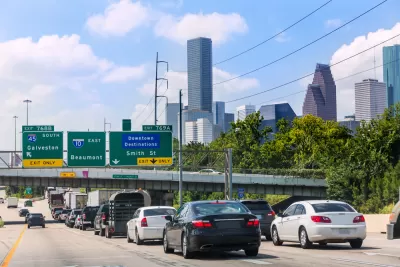
Preliminary data from Houston brings a ray of hope for road safety advocates, reports Jay R. Jordan for Axios. As traffic deaths continue to rise across the United States, Houston saw fewer deadly crashes in 2022 than the year before. However, these numbers are still above pre-pandemic levels, Jordan notes.
Crashes killed 317 people in Houston last year, down from 332 in 2021 and up from 266 in 2019, the year the city implemented its Vision Zero policy, which calls for an end to traffic deaths by 2030. Since then, the number of traffic deaths on city-controlled streets has declined slightly, while deaths on state-managed roads went up.
Like other U.S. cities that grew after the rise of the automobile, Houston has historically designed its roads for fast traffic, largely ignoring pedestrian infrastructure. The Texas Department of Transportation (TxDOT) has pledged to cut traffic deaths in half by 2035 and eliminate them by 2050, but critics of the department’s approach to traffic safety point out that the messaging used by the agency still predominantly places the responsibility on pedestrians and cyclists, ignoring the structural reasons for fatal crashes.
FULL STORY: Houston's traffic deaths decline slightly in 2022

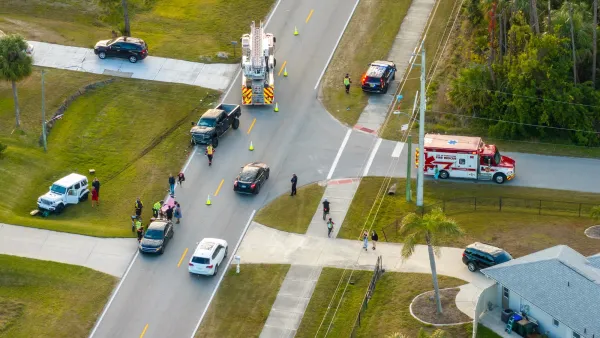
Pedestrian Deaths Fell by Largest Percentage in 15 Years, but Remain Above Pre-Pandemic Levels
After a spike in deaths during the Covid-19 years, road deaths fell to 3,024 in the first half of 2025.
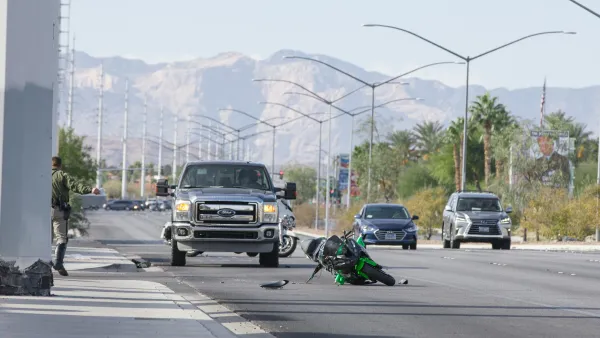
Nevada’s Highway Safety Plan Targets 35% Drop in Traffic Deaths by 2035
The 2026-2030 plan aims to reduce deaths and serious injuries with a long-term goal of eliminating traffic deaths by 2050.
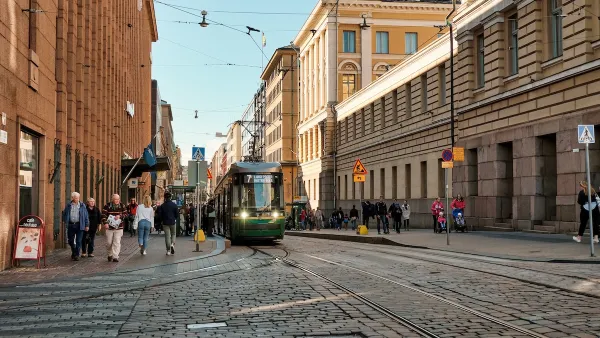
Helsinki Achieves Full Year With No Traffic Deaths
How did the Finnish capital achieve Vision Zero? It was no accident.

The state-sanctioned urbicide of Austin
People don’t kill cities. Freeways do.

US to reduce Colorado River water deliveries to Mexico
A new Colorado Treaty amendment reduces Mexico’s Colorado River water allocation by 250,000 acre feet.

New Jersey’s second-largest city bans standalone data centers
Jersey City will continue to allow co-location facilities, such as those meant for research institutions that store their own data.

Amtrak not solely to blame for New Jersey commuter rail's unreliability, report finds
A new study from the Garden State Initiative found that NJ Transit’s budget grew 20% across a 4 year period, but reliability declined significantly over the same period.

EPA erases limits on planet-warming pollution from power plants
Under Monday’s plan, power plants would still have some limits on how much mercury, arsenic and other contaminants they can emit.

Phoenix announces new on-demand transit service, more frequent RAPID buses
Both new services will launch in October, and are part of Phoenix's Project Effective Access Solutions for Easing Congestion.

FREE Course: Walkable City 1: Why Walkability?
After describing his path towards focusing on walkability as the essence of good planning, Jeff Speck marches through his five principal reasons for making more walkable places.
Reinventing Malls: Planning Alchemy—Turning Gray Fields Into Gold
The course focuses on the opportunities and imperatives that shape reinvention of mall sites.

Eagle County Government
Harvard University Graduate School of Design
Nashville Planning Department
The Architects Foundation
University of Cincinnati Online
The Pocatello Development Authority
The Urban Renewal Agency of the City of Pocatello
Journal of the American Planning Association