Funding bus rapid transit is the fastest and most cost-effective way to improve U.S. transit systems and bring transit within reach for more Americans.


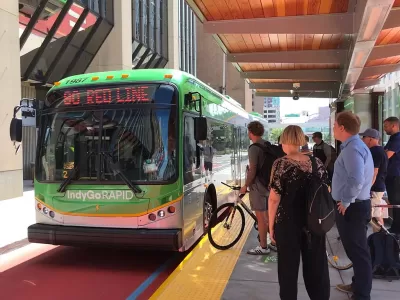
Writing in Curbed, Alissa Walker asserts that “To get the U.S. moving again, 2023 needs to be the year of the bus.” And it very well could be, if a bill introduced by Congresswoman Cori Bush passes.
The Bus Rapid Transit Act would allocate $12 billion per year for five years to BRT projects, funneling dollars directly to transit operations and helping cities invest in the design and construction of new BRT systems, including overhauls of current bus routes.
Bush also introduced an identical bill aimed at light rail, but, Walker points out, “the BRT program gives cities more flexibility and more options.” As an example, “Indianapolis, a city that doesn’t have a rail system, built its wildly popular 13-mile IndyGo BRT line in just a few years and at a fraction of what rail would have cost.”
Because not all U.S. cities have rail systems, and rail is vastly more expensive than bus infrastructure, BRT has the potential to transform transit systems and open up public transportation as a convenient and efficient option to more Americans. Plus, Walker writes, “More buses mean cleaner air, fewer emissions, and safer streets because cities with higher rates of transit ridership have lower rates of traffic deaths.”Ultimately, boosting BRT would benefit riders, transit agencies, traffic, and the environment.
Read the full story: Make 2023 the Year of the Bus

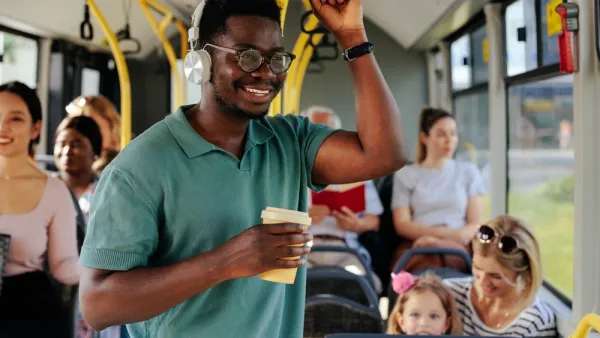
The Future of Public Transit: The Bus
The solution to making public transit better doesn’t lie in technological innovations or hyper-modern trains, but in investing in one of its simplest tools.
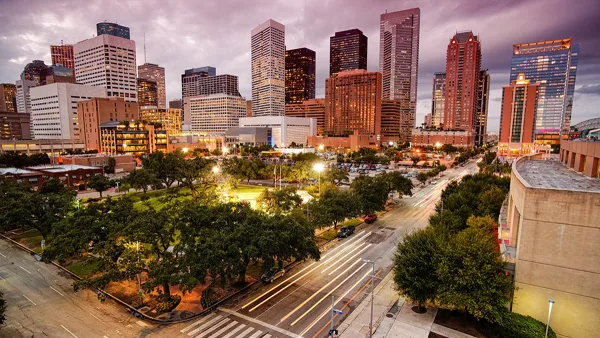
Houston Transit Agency Moves Forward With Long-Range Plan Even as Revenue Falls
Despite reduced ridership during the COVID-19 pandemic, Houston Metro is pushing ahead with its $7.5 billion long-range transit plan.
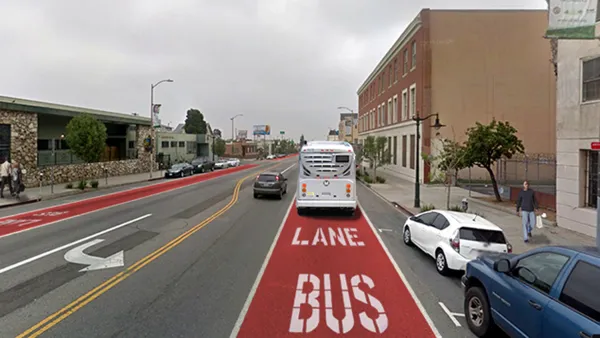
To Regain Transit Ridership, Policymakers Must Address Land Use and Housing
More buses and trains alone won't bring back riders; other incentives are needed to boost ridership and encourage new users.

Planetizen Federal Action Tracker
A weekly monitor of how Trump’s orders and actions are impacting planners and planning in America.

The state-sanctioned urbicide of Austin
People don’t kill cities. Freeways do.

Colorado’s Largest Data Center Could Rise Next to Homes — Without a Public Hearing
The proposed campus would consume 11 times the power of Denver International Airport; as it has across the country, opposition mounts.

Judges permit Denver to divert 77,000 acre feet from the Colorado River for reservoir expansion
Overuse and climate change have caused the Colorado River’s water levels to plummet.
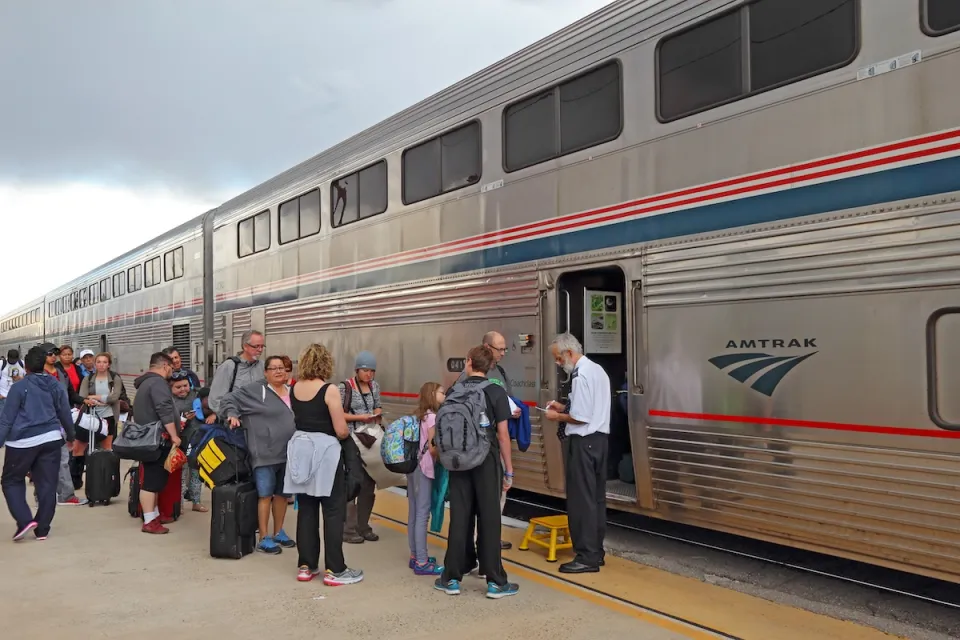
Amtrak, CN end decades-long dispute with eight-year agreement
The new operating agreement establishes an updated framework for the companies to work together, including processes to resolve disputes.
Raised interest rates may kill financially vulnerable construction projects
The chief economist at ConstructConnect warns that if construction project owners are negatively impacted by the raised rates, it could result in delayed payments to contractors.

FREE Course: Walkable City 1: Why Walkability?
After describing his path towards focusing on walkability as the essence of good planning, Jeff Speck marches through his five principal reasons for making more walkable places.
Reinventing Malls: Planning Alchemy—Turning Gray Fields Into Gold
The course focuses on the opportunities and imperatives that shape reinvention of mall sites.


KFH Group Inc.
Greater Baltimore Committee
Eagle County Government
The Architects Foundation
University of Cincinnati Online
The Pocatello Development Authority
The Urban Renewal Agency of the City of Pocatello