Pedestrian deaths rose again in the first half of 2021, according to research from the Governors Highway Safety Administration.


According to a press release from the Governors Highway Safety Association, "U.S. drivers struck and killed 3,441 pedestrians in the first six months of 2021, up 17% – or 507 additional lives lost – from the same period the year before."
The analysis found that, nationwide, there were 1.04 pedestrian deaths per 100,000 people, up from 0.90 in both 2020 and 2019. The data also shows that the rate of drivers striking and killing pedestrians rose to 2.3 deaths per billion vehicle miles traveled (VMT) in the first six months of 2021.
As the GHSA analysis shows, "A combination of factors that include a surge in dangerous driving that began at the start of the pandemic and has not abated, larger vehicles that are more likely to seriously injure or kill people on foot in the event of a crash, roads designed to prioritize fast-moving traffic over slower speeds that are safer for pedestrians, and inadequate infrastructure such as sidewalks and lighting in many parts of the country."
GHSA recommends combating this crisis with the Safe Systems approach, which relies on five key elements and which has inspired the Vision Zero movement. " Each of the five elements of the Safe System approach – safe road users, safe vehicles, safe speeds, safe roads and post-crash care – contribute in different ways to provide this multi-layered safety net that can protect people outside of vehicles."
The press release states that "GHSA will publish a second, comprehensive Spotlight report this spring that will include state fatality projections for all of 2021, an analysis of recently released 2020 data from NHTSA’s Fatality Analysis Reporting System (FARS) and an overview of proven strategies states and communities are employing to reduce pedestrian crashes and injuries."
FULL STORY: New Projection: U.S. Pedestrian Deaths Jumped in First Half of 2021

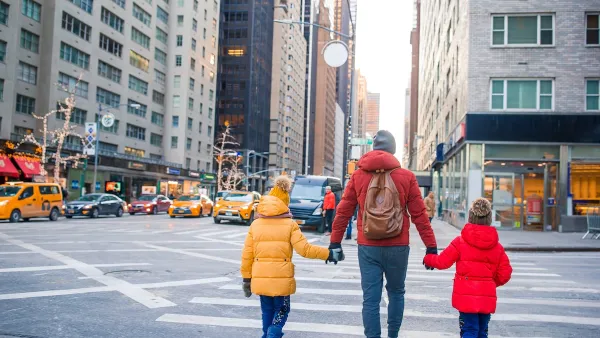
Pedestrian Deaths Drop, Remain Twice as High as in 2009
Fatalities declined by 4 percent in 2024, but the U.S. is still nowhere close to ‘Vision Zero.’
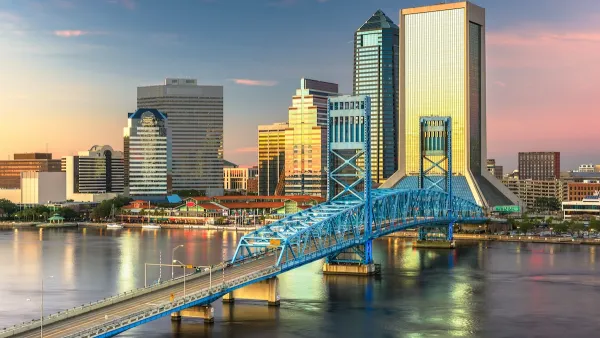
Jacksonville Takes Action on Vision Zero
The city is implementing its first-ever Vision Zero Action Plan in an effort to reduce pedestrian and cyclist deaths and serious injuries.
Pedestrian Deaths Tick Down — But Rose 58 Percent in the Last Decade
Road fatalities fell by a meager 4 percent in the first half of 2023.

The state-sanctioned urbicide of Austin
People don’t kill cities. Freeways do.

US to reduce Colorado River water deliveries to Mexico
A new Colorado Treaty amendment reduces Mexico’s Colorado River water allocation by 250,000 acre feet.

New Jersey’s second-largest city bans standalone data centers
Jersey City will continue to allow co-location facilities, such as those meant for research institutions that store their own data.

Amtrak not solely to blame for New Jersey commuter rail's unreliability, report finds
A new study from the Garden State Initiative found that NJ Transit’s budget grew 20% across a 4 year period, but reliability declined significantly over the same period.

EPA erases limits on planet-warming pollution from power plants
Under Monday’s plan, power plants would still have some limits on how much mercury, arsenic and other contaminants they can emit.

Phoenix announces new on-demand transit service, more frequent RAPID buses
Both new services will launch in October, and are part of Phoenix's Project Effective Access Solutions for Easing Congestion.

FREE Course: Walkable City 1: Why Walkability?
After describing his path towards focusing on walkability as the essence of good planning, Jeff Speck marches through his five principal reasons for making more walkable places.
Reinventing Malls: Planning Alchemy—Turning Gray Fields Into Gold
The course focuses on the opportunities and imperatives that shape reinvention of mall sites.

Eagle County Government
Harvard University Graduate School of Design
Nashville Planning Department
The Architects Foundation
University of Cincinnati Online
The Pocatello Development Authority
The Urban Renewal Agency of the City of Pocatello
Journal of the American Planning Association