Dallas is making new commitments to alternative transportation options—the latest example is found in a budget expenditure for several bike lane projects.


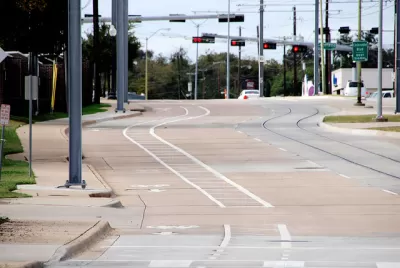
A Dallas Morning News Editorial writes in support of the inclusion of $2 billion for a bike lane program in the city of Dallas' fiscal year 2022 budget.
The city’s original bike plan dates to 1985. Its update dates to 2011. There has been progress, most of it recent. On-street bike lanes have appeared in a number of areas of town, and many link to the city’s expanding trail system. But using a bike to traverse Dallas is still, and will be for a long time, a path for the bold.
According to details revealed in the editorial, the bike lane funding is "the first full annual funding for the program" since 2011. And while $2 million isn't a lot compared to other infrastructure investments, the editorial expresses the belief that the funding "will make important improvements around the city."
A list of projects included in the program is included in the source article.
Read the full story: Dallas is getting serious about being a biking city


Bikelash Wins in Phoenix
Neighborhood opposition overwhelmed a plan to reduce the number of vehicles lanes on North Central Avenue to make space for a new bike lane, despite evidence of the benefits of the proposed street reconfiguration.
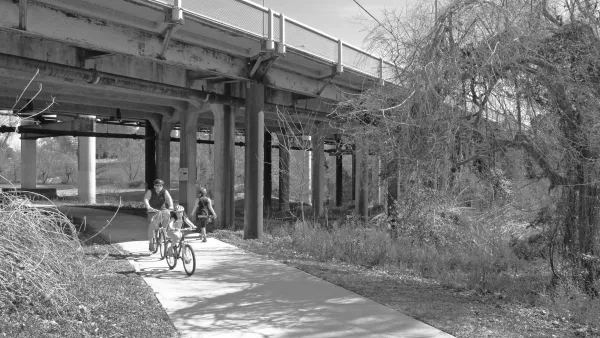
High Hopes for the Future of Biking in Houston
Despite Houston's reputation for sprawl, the city has made impressive efforts to build out its bike infrastructure.
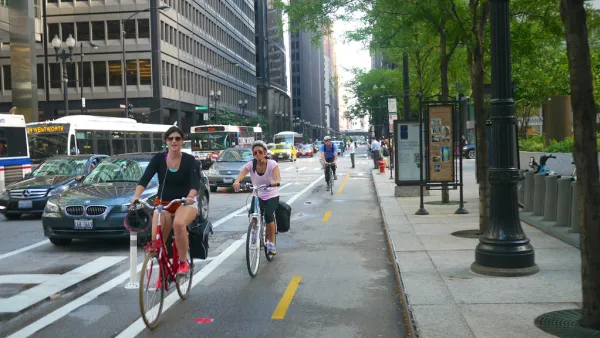
Cycling Rates Remain High Across the Country
The bike boom that began during the pandemic shows no signs of abating, according to a new report.

Planetizen Federal Action Tracker
A weekly monitor of how Trump’s orders and actions are impacting planners and planning in America.

Amtrak, CN end decades-long dispute with eight-year agreement
The new operating agreement establishes an updated framework for the companies to work together, including processes to resolve disputes.

Judges permit Denver to divert 77,000 acre feet from the Colorado River for reservoir expansion
Overuse and climate change have caused the Colorado River’s water levels to plummet.

NYC DOT wants faster, more permanent street upgrades
The city is examining ways to build more concrete infrastructure without getting entangled in 'decades-long' projects.

'Something we’ve never seen before:' rising utility rates could strain city finances nationwide
Data centers, climate change and other factors have caused utility rates in the United States to increase by 38% since 2020.

Trump to overrule local leaders, lease millions of acres of America’s Pacific Island territories’ seafloors to mining companies
International law says that the Indigenous people of America’s territories have a right to prior and informed consent regarding projects that impact their countries.

FREE Course: Walkable City 1: Why Walkability?
After describing his path towards focusing on walkability as the essence of good planning, Jeff Speck marches through his five principal reasons for making more walkable places.
Reinventing Malls: Planning Alchemy—Turning Gray Fields Into Gold
The course focuses on the opportunities and imperatives that shape reinvention of mall sites.

Harvard University Graduate School of Design
KFH Group Inc.
Greater Baltimore Committee
The Architects Foundation
University of Cincinnati Online
The Pocatello Development Authority
The Urban Renewal Agency of the City of Pocatello