The bike boom that began during the pandemic shows no signs of abating, according to a new report.


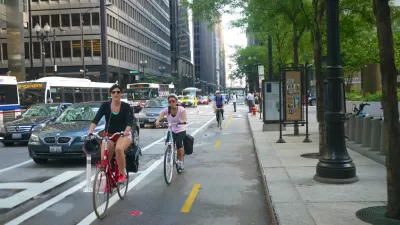
Despite doubts that the cycling boom of the early pandemic would continue, writes Jason Plautz, a report from Streetlight Data shows that cycling rates remain high across the country, rising 10 percent in 2021 over 2020.
Experts caution that high ridership rates will stick around only if cities support robust bike infrastructure and other policies that encourage biking over driving, particularly in dense neighborhoods where people take frequent short trips.
There was no single story across the country, [vice president of marketing for StreetLight Data Martin] Morzynski said, but there was a clear correlation between infrastructures like protected bike lanes or open streets and bike traffic. For example, he said, Des Moines, Iowa, saw its bike traffic increase 49% in 2020 and it is still up 30% in 2021 compared to 2019, even as people resume commuting. That, he said, is in part because of the city's existing network of trails leading into downtown that make it easier for new riders to commute.
Meanwhile, cities with "more established bike culture" often saw a drop in ridership due to some regular bike commuters staying home. Even so, many big cities took the opportunity to install new bike infrastructure during the pandemic lull, paving the way for safer streets and more transportation options. Morzynski suggests "a comprehensive approach that allows you to identify where best to invest and make priorities sets you up to be responsive for changes when traffic patterns shift again."
FULL STORY: Cycling surge here to stay in many cities, report suggests

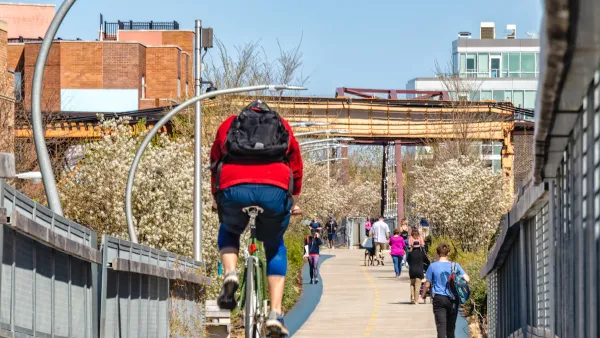
Chicago Leads Nation in Biking Growth
Cycling as a mode share grew faster in the Windy City over the last five years than in any other major U.S. metropolis.
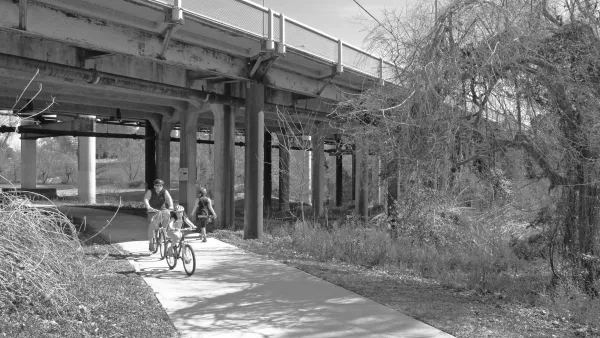
High Hopes for the Future of Biking in Houston
Despite Houston's reputation for sprawl, the city has made impressive efforts to build out its bike infrastructure.
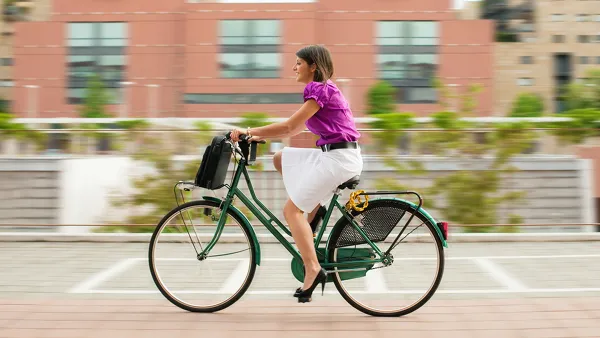
The Rippling Effects of Bike-to-Work Subsidies
A European movement to incentivize people to commute by bicycle is changing travel patterns and making mobility more sustainable.

The state-sanctioned urbicide of Austin
People don’t kill cities. Freeways do.

US to reduce Colorado River water deliveries to Mexico
A new Colorado Treaty amendment reduces Mexico’s Colorado River water allocation by 250,000 acre feet.

New Jersey’s second-largest city bans standalone data centers
Jersey City will continue to allow co-location facilities, such as those meant for research institutions that store their own data.

Amtrak not solely to blame for New Jersey commuter rail's unreliability, report finds
A new study from the Garden State Initiative found that NJ Transit’s budget grew 20% across a 4 year period, but reliability declined significantly over the same period.

EPA erases limits on planet-warming pollution from power plants
Under Monday’s plan, power plants would still have some limits on how much mercury, arsenic and other contaminants they can emit.

Phoenix announces new on-demand transit service, more frequent RAPID buses
Both new services will launch in October, and are part of Phoenix's Project Effective Access Solutions for Easing Congestion.

FREE Course: Walkable City 1: Why Walkability?
After describing his path towards focusing on walkability as the essence of good planning, Jeff Speck marches through his five principal reasons for making more walkable places.
Reinventing Malls: Planning Alchemy—Turning Gray Fields Into Gold
The course focuses on the opportunities and imperatives that shape reinvention of mall sites.

Eagle County Government
Harvard University Graduate School of Design
Nashville Planning Department
The Architects Foundation
University of Cincinnati Online
The Pocatello Development Authority
The Urban Renewal Agency of the City of Pocatello
Journal of the American Planning Association