Climate change might not allow the relief from the pandemic that many have been hoping for as the country enters the summer months, as evacuations during the hurricane, tornado, and fire seasons will take on new elements of risk.


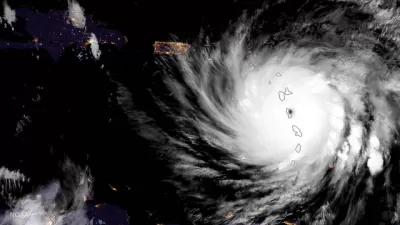
Hurricane season officially began on June 1, adding another layer to a world full of concern. Forecasters have predicted an active hurricane season. Two articles published on June 1 explored the risks associated with the onset of hurricane season during the Covid-19 pandemic.
James Bruggers and Amy Green write for Inside Climate News about the efforts of Florida officials to prepare for extreme weather events and educate the public as the coronavirus drastically shifts calculations about how to respond to risks.
There's now a chance for one disaster to layer upon another. Many lives could be lost: first, from powerful winds, storm surges and flooding, and then through the spread of the coronavirus in cramped public shelters following mass evacuations. Evacuees might pass the virus to friends and relatives who take them in, or get infected themselves in those new surroundings.
One of the most concerning sources of potential confusion, according to the article, are questions about how to evacuate during a pandemic—people might choose to stay home instead of risking exposure to the coronavirus. "Even without a pandemic, mass evacuations can be logistical nightmares, clogging freeways, causing traffic accidents and depleting gas stations of fuel,"
Another article, by Dan Goldberg and Brianna Ehley, places hurricane season in context of other seasonal environmental threats, like tornado season and fire season.
"Officials from Florida to Missouri are hurriedly rewriting their disaster plans, worried that crowding large groups of evacuees in shelters could spread coronavirus during what’s expected to be a busy hurricane and tornado season," according to that article.
"Though President Donald Trump sees the summer as a time of economic revival, emergency management officials fear a terrible combination of natural disasters could lead to a fresh spread of the coronavirus — and that the pandemic could, in turn, set back their work," add Goldberg and Ehley.
The pandemic has added a massive layer of complexity to resilience planning, because no one in the United States has planned for an emergency in the midst of pandemic before.
FULL STORY: Hurricane Season Collides With Coronavirus, as Communities Plan For Dual Emergencies

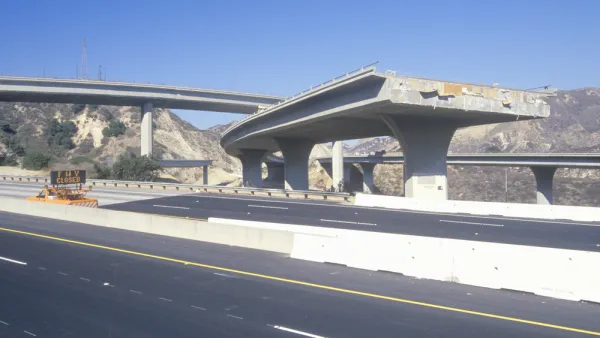
Resilient Los Angeles: Preparing for Overlapping Disasters in Pandemic
L.A. City Chief Resilience Officer Aaron Gross elaborates on how the pandemic is shaping the city’s understanding of resilience and the cascading impact that overlapping disasters of earthquake or wildfire could have on the city’s limited resources.
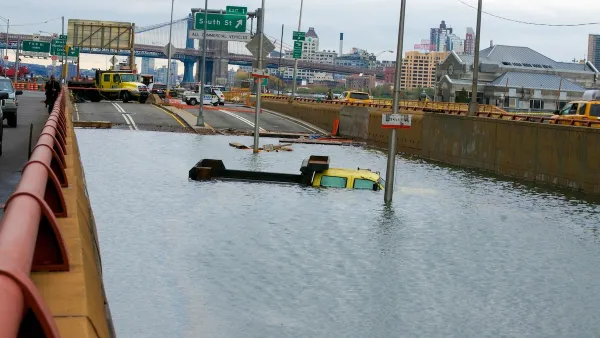
Over a Quarter of US Homes Face ‘Severe or Extreme’ Climate Risk
The number of U.S. homes at risk from hurricanes, fires, or flooding is valued at close to $13 trillion.
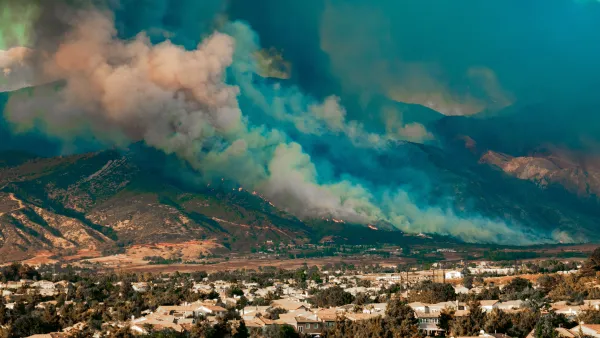
Home Insurers Are Fleeing California
Homeowners in the state are finding it increasingly difficult to secure insurance policies thanks to the growing risks of wildfire, drought, and other climate threats.

Planetizen Federal Action Tracker
A weekly monitor of how Trump’s orders and actions are impacting planners and planning in America.

The state-sanctioned urbicide of Austin
People don’t kill cities. Freeways do.

US to reduce Colorado River water deliveries to Mexico
A new Colorado Treaty amendment reduces Mexico’s Colorado River water allocation by 250,000 acre feet.

Mamdani overhauls NYC's Vision Zero plan with 100 new policy goals
The overhaul aims to reduce traffic deaths and make streets safer for pedestrians, cyclists and drivers through lower speed limits, new safety infrastructure and more.

Amtrak not solely to blame for New Jersey commuter rail's unreliability, report finds
A new study from the Garden State Initiative found that NJ Transit’s budget grew 20% across a 4 year period, but reliability declined significantly over the same period.

EPA erases limits on planet-warming pollution from power plants
Under Monday’s plan, power plants would still have some limits on how much mercury, arsenic and other contaminants they can emit.

FREE Course: Walkable City 1: Why Walkability?
After describing his path towards focusing on walkability as the essence of good planning, Jeff Speck marches through his five principal reasons for making more walkable places.
Reinventing Malls: Planning Alchemy—Turning Gray Fields Into Gold
The course focuses on the opportunities and imperatives that shape reinvention of mall sites.

Eagle County Government
Harvard University Graduate School of Design
Nashville Planning Department
The Architects Foundation
University of Cincinnati Online
The Pocatello Development Authority
The Urban Renewal Agency of the City of Pocatello
Journal of the American Planning Association