The densest city in the country is struggling with the rapid spread of the virus, and close proximity is likely a primary factor.


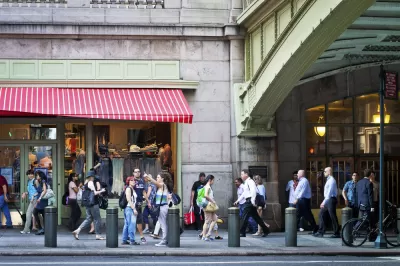
"New York has tried to slow the spread of the coronavirus by closing its schools, shutting down its nonessential businesses and urging its residents to stay home almost around the clock. But it faces a distinct obstacle in trying to stem new cases: its cheek-by-jowl density," writes Brian M. Rosenthal.
The coronavirus is spreading throughout the city and region at an alarming rate. The high density puts people in close contact on public transit, in public spaces, and in apartment buildings.
Rosenthal also looks at Los Angeles, where the number of confirmed coronavirus cases and deaths are much lower than in New York City. The population of Los Angeles is half of New York City’s, with less crowded transportation, housing, and tourist spaces. In addition, other factors might be contributing to these differences, including warmer weather, less testing in Los Angeles, and better containment.
"Still, public health experts said that density was likely the biggest reason for why the virus has torn through New York City and not yet hit to the same degree elsewhere. They urged other cities and towns around the country to pay attention," says Rosenthal.
For more on the urban density debate that has grown from the spread of the pandemic and the public policy response, see previous coverage from Planetizen.
FULL STORY: Density Is New York City’s Big ‘Enemy’ in the Coronavirus Fight

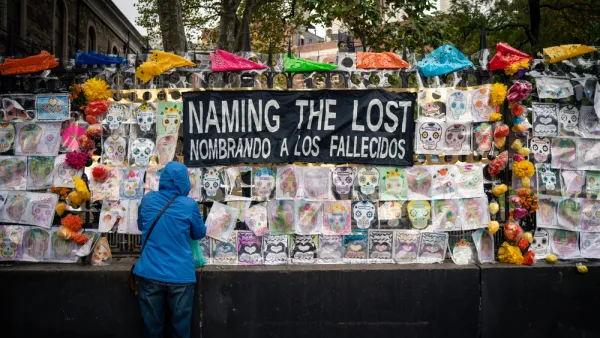
Nine Months Later: How the Pandemic Is Changing Communities
Planetizen shares the latest in a series of compendia tackling the effects of the pandemic, now and in the future, for cities and communities.
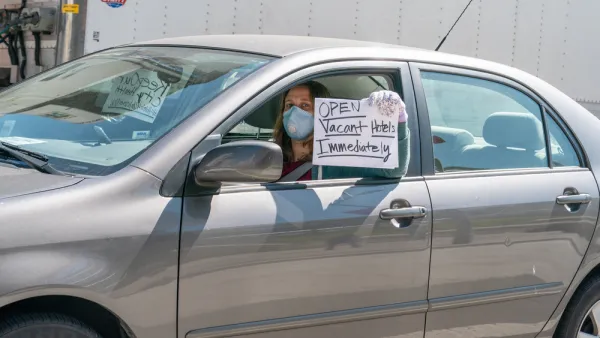
Hotels Could Play a Critical Role in Containing Coronavirus in Crowded Cities
Some cities are leasing entire hotels to provide rooms for people who have tested positive for COVID-19 or been exposed to infected people, to allow for safe and supportive isolation away from family or household members who risk being infected.
Urban Planning in a Post-Pandemic World
The coronavirus crisis is highlighting the contributions of cities as well as their vulnerabilities and the planning issues that need to be priorities in the future.

The state-sanctioned urbicide of Austin
People don’t kill cities. Freeways do.

US to reduce Colorado River water deliveries to Mexico
A new Colorado Treaty amendment reduces Mexico’s Colorado River water allocation by 250,000 acre feet.

New Jersey’s second-largest city bans standalone data centers
Jersey City will continue to allow co-location facilities, such as those meant for research institutions that store their own data.

Amtrak not solely to blame for New Jersey commuter rail's unreliability, report finds
A new study from the Garden State Initiative found that NJ Transit’s budget grew 20% across a 4 year period, but reliability declined significantly over the same period.

EPA erases limits on planet-warming pollution from power plants
Under Monday’s plan, power plants would still have some limits on how much mercury, arsenic and other contaminants they can emit.

Phoenix announces new on-demand transit service, more frequent RAPID buses
Both new services will launch in October, and are part of Phoenix's Project Effective Access Solutions for Easing Congestion.

FREE Course: Walkable City 1: Why Walkability?
After describing his path towards focusing on walkability as the essence of good planning, Jeff Speck marches through his five principal reasons for making more walkable places.
Reinventing Malls: Planning Alchemy—Turning Gray Fields Into Gold
The course focuses on the opportunities and imperatives that shape reinvention of mall sites.

Eagle County Government
Harvard University Graduate School of Design
Nashville Planning Department
The Architects Foundation
University of Cincinnati Online
The Pocatello Development Authority
The Urban Renewal Agency of the City of Pocatello
Journal of the American Planning Association