Even before the effects fo the coronavirus pandemic drastically reduced ridership, transit riders were declining in cities across the country. The reasons for the downward trend were varied.


Bus ridership started to drop in 2013 in many U.S. cities of all sizes and with different kinds of transit systems. "By late 2019, through nearly seven straight years of decline, national bus ridership in America was at its lowest level since the mid-1970s, a trend that has left service already weakened as transit agencies brace for a public health crisis," write Emily Badger and Quoctrung Bui.
This trend is the result of a variety of factors, say Badger and Bui, including the rise of alternative transportation modes, demographic shifts, and changes in work and commute patterns.
Some factors are under the control of transit agencies—service and infrastructure expansions or cuts, for example. But other factors are related to broader social and economic trends that affect bus ridership over the long term, such as suburbanization, online commerce, and immigration.
"Agencies [also] don’t control all the infrastructure and subsidies that help transit’s biggest competitor, the car. Past research has suggested that transit riders are even more sensitive to changes in gas prices than they are to changes in transit fares. Recently gas has been cheap, and interest rates on auto loans low," note Badger and Bui.
FULL STORY: The Mystery of the Missing Bus Riders

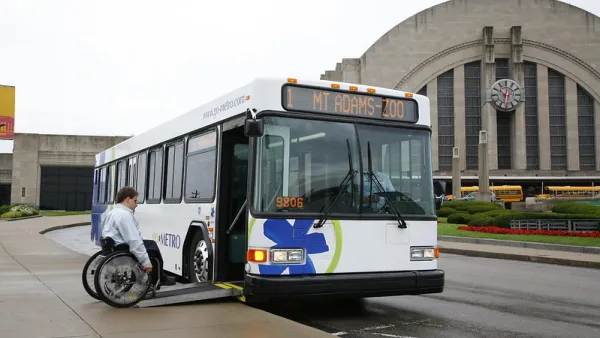
Gas Too Expensive? Cincinnati Metro Has You Covered With Free Rides
Cincinnati residents and visitors will have access to free transit for a week as the agency aims to boost ridership.
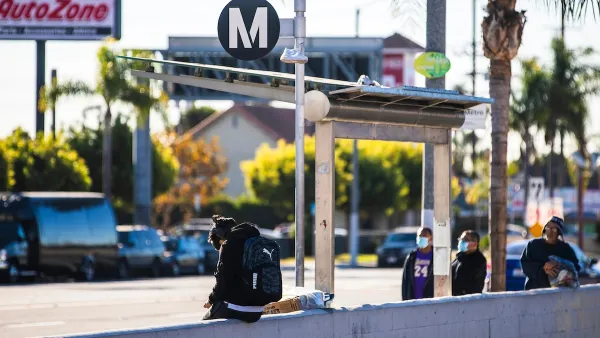
LA Bus Ridership Keeps Dropping as ICE Raids Continue
Bus boardings fell for a second month amid fears of immigration raids.
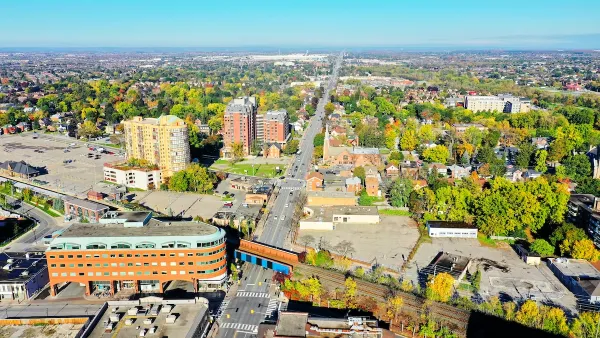
This Toronto Suburb Has More Bus Riders Than Columbus, Ohio
Brampton, Ontario used gradual improvements in service to prove that if you build it, they will ride.

The state-sanctioned urbicide of Austin
People don’t kill cities. Freeways do.

US to reduce Colorado River water deliveries to Mexico
A new Colorado Treaty amendment reduces Mexico’s Colorado River water allocation by 250,000 acre feet.

New Jersey’s second-largest city bans standalone data centers
Jersey City will continue to allow co-location facilities, such as those meant for research institutions that store their own data.

Amtrak not solely to blame for New Jersey commuter rail's unreliability, report finds
A new study from the Garden State Initiative found that NJ Transit’s budget grew 20% across a 4 year period, but reliability declined significantly over the same period.

EPA erases limits on planet-warming pollution from power plants
Under Monday’s plan, power plants would still have some limits on how much mercury, arsenic and other contaminants they can emit.

Phoenix announces new on-demand transit service, more frequent RAPID buses
Both new services will launch in October, and are part of Phoenix's Project Effective Access Solutions for Easing Congestion.

FREE Course: Walkable City 1: Why Walkability?
After describing his path towards focusing on walkability as the essence of good planning, Jeff Speck marches through his five principal reasons for making more walkable places.
Reinventing Malls: Planning Alchemy—Turning Gray Fields Into Gold
The course focuses on the opportunities and imperatives that shape reinvention of mall sites.

Eagle County Government
Harvard University Graduate School of Design
Nashville Planning Department
The Architects Foundation
University of Cincinnati Online
The Pocatello Development Authority
The Urban Renewal Agency of the City of Pocatello
Journal of the American Planning Association