An expansion of Interstate 405 in the Seattle region will include bus rapid transit stations that will allow vehicles to travel even faster along the new transit corridor.


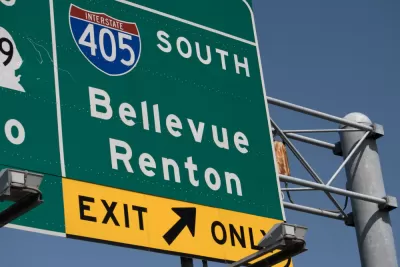
"The arrival of Stride, Sound Transit’s bus rapid transit (BRT) brand, on I-405 is still four years away, but recent project refinements could mean even speedier trips for riders travelling between Lynnwood and Bellevue [in Washington]," writes Stephen Fesler.
New changes to last year’s proposal will further decrease travel times, including an extra 13 minutes during the morning peak commute, says Fesler. "Travel time savings come from the use of inline BRT stations built into the highway median."
Fesler takes a closer look at the design and location details and renderings for each BRT station along the route. He notes that the online open house is available for comments and survey responses until February 14 and the project will also soon move into the environmental review process.
FULL STORY: I-405 Stride Update Could Shave Another 13 Minutes Off Morning Bus Commutes

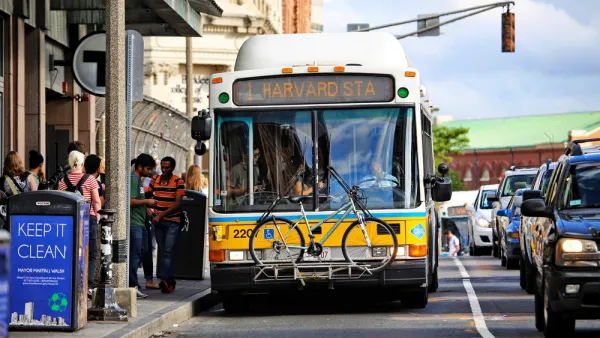
Boston Bus Lanes Improving Commute Times and Reliability
Data from the Boston area shows that dedicated bus lanes are helping to get buses moving.

Tactical Transit Lanes Offer Big Bang for the Buck
The bus lanes can be installed quickly, requiring minimal time and resources and offering a good return on investment, says a new report.
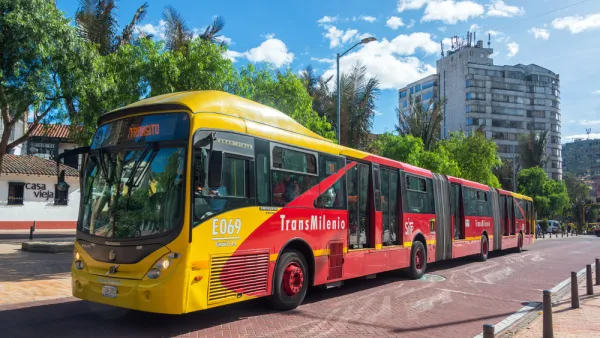
Seattle Rebrands its Planned Bus Rapid Transit System: Stride
Branding and bus rapid transit go hand in hand.

Planetizen Federal Action Tracker
A weekly monitor of how Trump’s orders and actions are impacting planners and planning in America.

The state-sanctioned urbicide of Austin
People don’t kill cities. Freeways do.

US to reduce Colorado River water deliveries to Mexico
A new Colorado Treaty amendment reduces Mexico’s Colorado River water allocation by 250,000 acre feet.

Mamdani overhauls NYC's Vision Zero plan with 100 new policy goals
The overhaul aims to reduce traffic deaths and make streets safer for pedestrians, cyclists and drivers through lower speed limits, new safety infrastructure and more.

Amtrak not solely to blame for New Jersey commuter rail's unreliability, report finds
A new study from the Garden State Initiative found that NJ Transit’s budget grew 20% across a 4 year period, but reliability declined significantly over the same period.

EPA erases limits on planet-warming pollution from power plants
Under Monday’s plan, power plants would still have some limits on how much mercury, arsenic and other contaminants they can emit.

FREE Course: Walkable City 1: Why Walkability?
After describing his path towards focusing on walkability as the essence of good planning, Jeff Speck marches through his five principal reasons for making more walkable places.
Reinventing Malls: Planning Alchemy—Turning Gray Fields Into Gold
The course focuses on the opportunities and imperatives that shape reinvention of mall sites.

Eagle County Government
Harvard University Graduate School of Design
Nashville Planning Department
The Architects Foundation
University of Cincinnati Online
The Pocatello Development Authority
The Urban Renewal Agency of the City of Pocatello
Journal of the American Planning Association