Car culture isn't free, even for people who don't own cars.


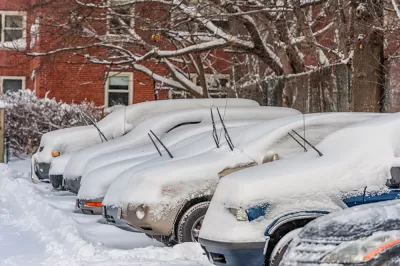
Nestor Ramos shares news of research recently published by a team of graduates at the Harvard Kennedy School that quantifies the cost of cars on the economy of Massachusetts. The final estimated figure is staggering: $64 billion.
"That astronomical estimate includes all the things we don’t often think about when we get into our cars — costs that extend far beyond what we pay at the dealership or the pump. And the biggest slice of that giant pie gets paid for before anybody actually signs a lease or gets behind the wheel," according to Ramos.
"The costs we all bear include everything from the maintenance of road surfaces across Massachusetts ($1.4 billion) and the estimated annual value of the land we’ve paved for roads and parking ($8.7 billion) to the indirect but very real costs of productivity lost due to time sitting in traffic ($4.6 billion) and as a result of injuries and deaths on the road ($10.5 billion)," reports Ramos.
When that $64 billion is broken down to the household level, the study finds that the average Massachusetts family pays about $14,000 for that total every year, whether they own a car or not. "For those who do own vehicles, the average annual costs nearly double."
Read the full story: The Massachusetts car economy is costing us $64 billion a year, and we barely notice it

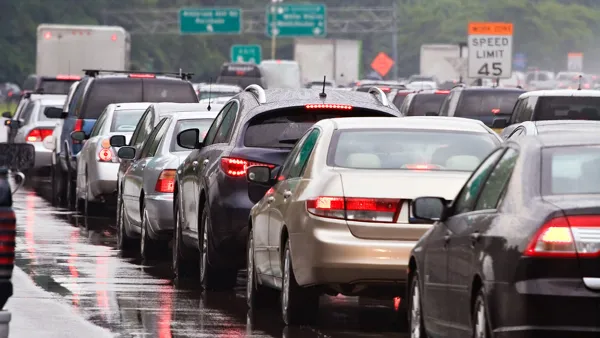
The Commute of the Future: Congested Mess, or Massive Mode Shift?
Researchers around the world are trying to get an idea about how increased automobile trips, fewer shared modes, and high unemployment will alter long-term trends in transportation.
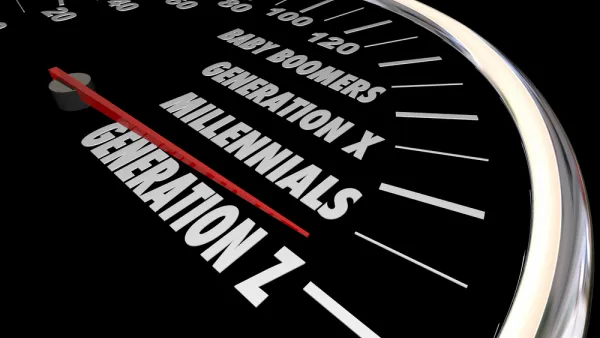
Generation Z Is Driving Less, But History Indicates It Won’t Last
Think Generation Z will usher in the long-awaited post-car future of transit advocates’ dreams? Think again (about the example set by the Millennials).
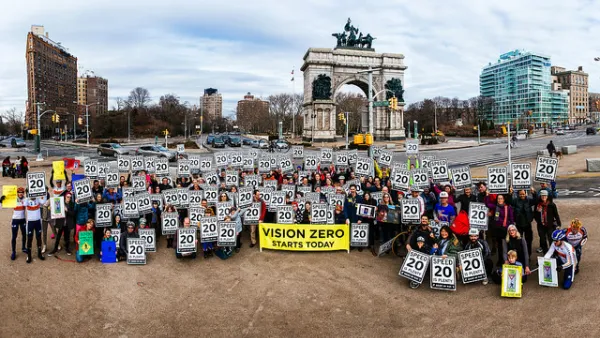
Traffic Fatalities Set Records as Pandemic-Era Road Carnage Shows No Signs of Stopping
An estimated 42,915 people died in automobile crashes in 2021, according to recent federal data. The increasing fatalities continue a trend that began with the outset of the pandemic.

Planetizen Federal Action Tracker
A weekly monitor of how Trump’s orders and actions are impacting planners and planning in America.

The state-sanctioned urbicide of Austin
People don’t kill cities. Freeways do.

Colorado’s Largest Data Center Could Rise Next to Homes — Without a Public Hearing
The proposed campus would consume 11 times the power of Denver International Airport; as it has across the country, opposition mounts.

Nation's most wind-powered state turns to coal as data centers increase energy demand
For the first time in decades, Iowa has increased its generation of coal power.

NYC cools commuters with city's first rain garden above a bus stop
New York City officials say the plants in the rain garden can absorb 16 gallons of rainwater during heavy storms.

Brightline West’s future may rely on $6 billion federal loan
The company has until Nov. 2 to make a $400 million equity investment into its proposed high-speed rail line.

FREE Course: Walkable City 1: Why Walkability?
After describing his path towards focusing on walkability as the essence of good planning, Jeff Speck marches through his five principal reasons for making more walkable places.
Reinventing Malls: Planning Alchemy—Turning Gray Fields Into Gold
The course focuses on the opportunities and imperatives that shape reinvention of mall sites.

Greater Baltimore Committee
Eagle County Government
Harvard University Graduate School of Design
The Architects Foundation
University of Cincinnati Online
The Pocatello Development Authority
The Urban Renewal Agency of the City of Pocatello
Journal of the American Planning Association