As other cities take daring steps to reclaim their streets, a car ban in downtown Boston doesn’t seem so implausible.


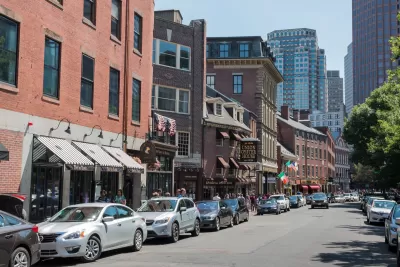
Tom Acitelli considers the possibility of limiting vehicle traffic in downtown Boston. "Such a move would help Boston meet its own stated goals of eliminating pedestrian deaths and reducing pollution so much as to render the city carbon-neutral by 2050—never mind that, contrary to some concerns, the evidence suggests that banning cars downtown would not necessarily hurt businesses there."
Boston can look to the steps other cities have taken to redesign their streets, says Acitelli, including New York City’s vehicle restrictions on 14th Street in Manhattan and San Francisco’s plan to ban cars on Market Street.
Boston has already successfully instituted a series of recent street closures and repurposed public spaces. And the city is no stranger to pedestrianized shopping areas, including Downtown Crossing and Faneuil Hall Marketplace, both of which have benefited from the downtown’s economic boom, notes Acitelli.
FULL STORY: Should Boston ban cars from its downtown?

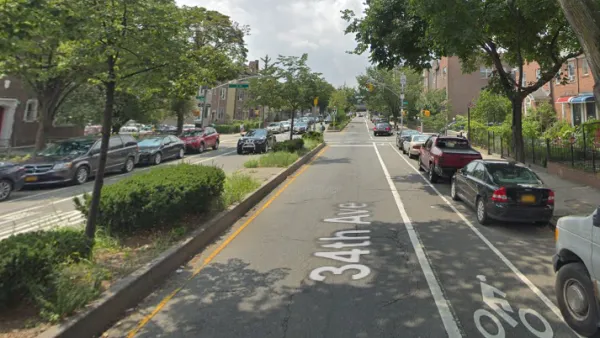
How Can NYC Keep its 'Open Streets' Post-Pandemic?
A debate over one Queens 'open street' project illustrates the challenges of maintaining open streets.
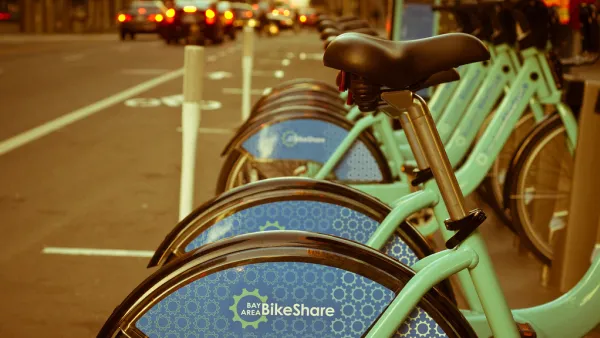
Bike Share Lessons From the Pandemic
Bike share data from six U.S. cities offer insight into how Americans have changed travel patterns during the pandemic.
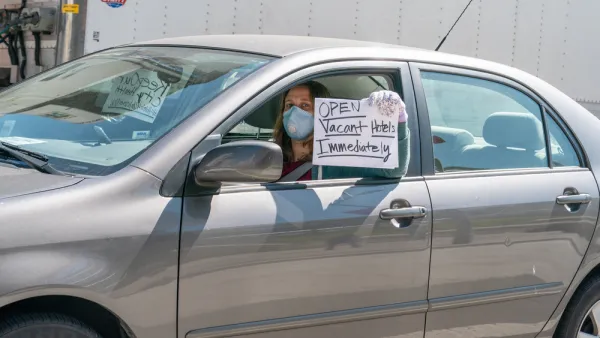
Hotels Could Play a Critical Role in Containing Coronavirus in Crowded Cities
Some cities are leasing entire hotels to provide rooms for people who have tested positive for COVID-19 or been exposed to infected people, to allow for safe and supportive isolation away from family or household members who risk being infected.

Planetizen Federal Action Tracker
A weekly monitor of how Trump’s orders and actions are impacting planners and planning in America.

The state-sanctioned urbicide of Austin
People don’t kill cities. Freeways do.

US to reduce Colorado River water deliveries to Mexico
A new Colorado Treaty amendment reduces Mexico’s Colorado River water allocation by 250,000 acre feet.

5 New England states march closer to 800 megawatt wind energy project
Securing federal approval for the project may be complicated under the Trump administration, which has historically been hostile towards domestic wind power.

Baltimore to break ground on $50 million Transit Priority Project
The project will bring faster bus trips, safer streets and better bike connections to Baltimore.

Airbnb launches $250 million 'last-dollar financing' housing accelerator, makes first investment in Austin
The company will put $6.4 million towards affordable housing development in Texas’ capital.

FREE Course: Walkable City 1: Why Walkability?
After describing his path towards focusing on walkability as the essence of good planning, Jeff Speck marches through his five principal reasons for making more walkable places.
Reinventing Malls: Planning Alchemy—Turning Gray Fields Into Gold
The course focuses on the opportunities and imperatives that shape reinvention of mall sites.

Eagle County Government
Harvard University Graduate School of Design
Nashville Planning Department
The Architects Foundation
University of Cincinnati Online
The Pocatello Development Authority
The Urban Renewal Agency of the City of Pocatello
Journal of the American Planning Association