The city of Seattle is the largest jurisdiction in the state of Washington that passes on its legal opportunity to implement a transportation impact fee on new development.


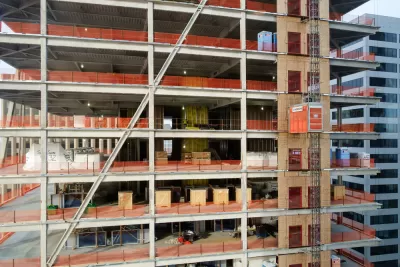
The city of Seattle is considering adding a new transportation impact fee on new development, according to an article by Stephen Fesler. The prospect of a transportation impact fee, which is used in some cities to generate capital funding for transportation infrastructure projects, has languished in the city for years, according to Fesler, but a year's worth of activity on the front could mean a change is on the horizon.
Still, there is a lot of work to be done before the city can begin implementing a new impact fee. "Any impact fee program will need to involve a proper rate study to determine the kind of transportation demands that specific land use types generate," explains Fesler. "Once the rate study is completed, the city could go through the process of compiling an actual fee schedule based upon several considerations: use type and transportation demand, cost of capital improvement project list, geographic location, and other relevant policy issues."
FULL STORY: Seattle Explores Transportation Impact Fees

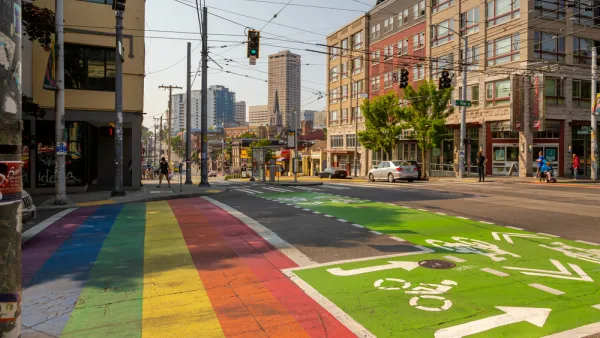
Poorly Timed Arrival for Seattle’s Long-Awaited Transportation Fee
A proposed transportation impact fee, years in the making, is stirring a controversy at a time of declining permitting and construction activity in the city of Seattle.
Seattle Council Rejects Transportation Impact Fee
Councilmembers who opposed the proposal say the fee would have slowed housing development and raised housing costs.
Transportation Impact Fee Proposal Resurfaces in Seattle
Charging developers for improving local infrastructure impacted by their projects could boost transportation revenue, but permit applications in the city are slowing down.

The state-sanctioned urbicide of Austin
People don’t kill cities. Freeways do.

US to reduce Colorado River water deliveries to Mexico
A new Colorado Treaty amendment reduces Mexico’s Colorado River water allocation by 250,000 acre feet.

New Jersey’s second-largest city bans standalone data centers
Jersey City will continue to allow co-location facilities, such as those meant for research institutions that store their own data.

Amtrak not solely to blame for New Jersey commuter rail's unreliability, report finds
A new study from the Garden State Initiative found that NJ Transit’s budget grew 20% across a 4 year period, but reliability declined significantly over the same period.

EPA erases limits on planet-warming pollution from power plants
Under Monday’s plan, power plants would still have some limits on how much mercury, arsenic and other contaminants they can emit.

Phoenix announces new on-demand transit service, more frequent RAPID buses
Both new services will launch in October, and are part of Phoenix's Project Effective Access Solutions for Easing Congestion.

FREE Course: Walkable City 1: Why Walkability?
After describing his path towards focusing on walkability as the essence of good planning, Jeff Speck marches through his five principal reasons for making more walkable places.
Reinventing Malls: Planning Alchemy—Turning Gray Fields Into Gold
The course focuses on the opportunities and imperatives that shape reinvention of mall sites.

Eagle County Government
Harvard University Graduate School of Design
Nashville Planning Department
The Architects Foundation
University of Cincinnati Online
The Pocatello Development Authority
The Urban Renewal Agency of the City of Pocatello
Journal of the American Planning Association