Interstate highways are actually improving, according to a recent analysis. What if the infrastructure crisis is a matter of perspective, and not some universal truth?


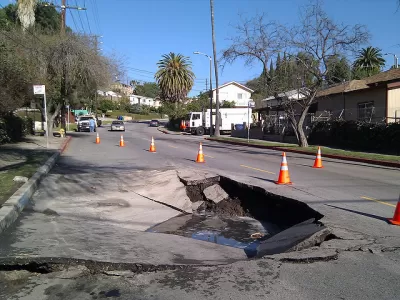
Matthew Turner, an economics professor from Brown University, believes that politicians, engineers, journalists, and citizens of all political persuasions are overstating infrastructure crisis in the United States.
Daniel C. Vock writes an article introducing Turner's ideas on the nation's "crumbling infrastructure," as presented in a recent paper published by the Brookings Institution.
"Turner contends that, by many measures, the nation’s infrastructure is in as good a shape as it has been for decades -- or even better," explains Vock.
Turner’s analysis is admittedly limited. He focuses on the condition of interstate highways, buses and urban rail cars, which are among the most visible public transportation assets. That leaves out a lot of other transportation infrastructure, from local roads to subway tracks. Still, the analysis does highlight some areas where, counter to the doom-and-gloom rhetoric in Washington, America’s infrastructure is actually improving.
Turner presents the data to make the case that the country needs to shift the focus of its funding. " Rural interstates are lightly used but improving in condition, while urban rail cars are heavily used but not getting any better," writes Vock to explain Turner's argument.
Read the full story: How Bad Is America's Infrastructure Crisis? Maybe Not As Bad As It Seems.
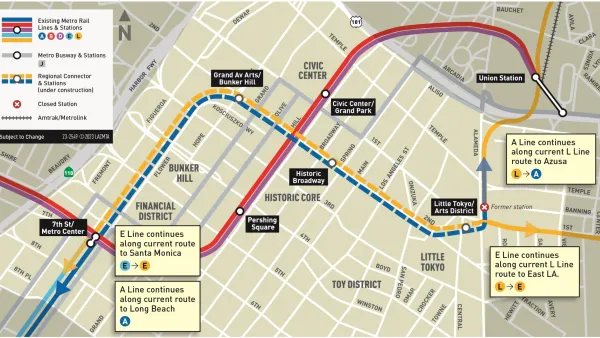
Newly Opened Regional Connector Redefines Light Rail Transit in Los Angeles
Three rail lines have become two rail lines in Los Angeles, providing one-seat rides from four corners of Los Angeles County.
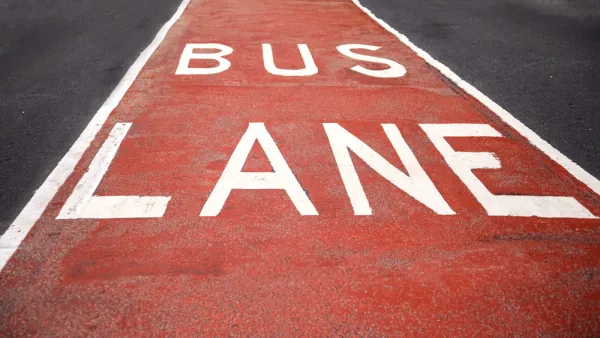
New Bus-Only Lanes Arrive in D.C.
The new bus lanes will operate at morning and afternoon rush hours starting today.
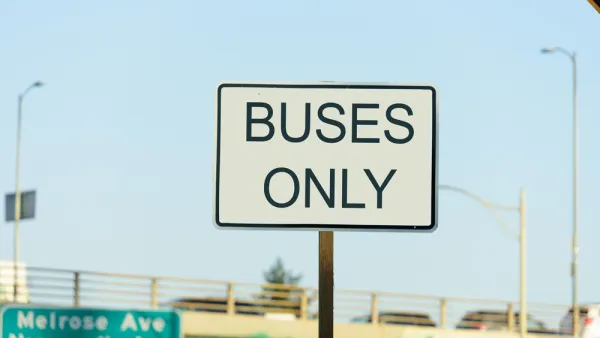
Four Bus-Only Lanes Under Consideration Around Los Angeles
The transit planning agency in Los Angeles is preparing to make a major addition to the city's number of bus-only infrastructure.

Planetizen Federal Action Tracker
A weekly monitor of how Trump’s orders and actions are impacting planners and planning in America.

Washington state to charge fee to drivers with fuel-efficient cars
Revenue from the fee will go towards supporting the state’s highways.

Study reveals best places in the U.S. for cycling, walking
New research from Streetlight Data examines bicycle and pedestrian miles per capita in the 100 largest U.S. cities by population.

Mamdani unveils his ‘most ambitious bus lane project’ so far
The city has added two new bus lanes, which it expects to speed up tens of thousands of bus riders’ commutes.

New Jersey and New York suggest $10.3 billion budget for transit
Some of the budget is dedicated to replacing Manhattan's Midtown Bus Terminal.

States split over EPA’s proposal to drop greenhouse gas rules for power plants
The proposed rule drew over 165K comments, including from officials, health and environmental groups, and private citizens.

FREE Course: Walkable City 1: Why Walkability?
After describing his path towards focusing on walkability as the essence of good planning, Jeff Speck marches through his five principal reasons for making more walkable places.
Reinventing Malls: Planning Alchemy—Turning Gray Fields Into Gold
The course focuses on the opportunities and imperatives that shape reinvention of mall sites.

City of Charlotte
City of Rosemead
Rutgers University, Edward J. Bloustein School of Planning and Public Policy
University of Michigan School for Environment and Sustainability (SEAS)
Hunter College, City University of New York (CUNY)
The Architects Foundation
University District Partnership
City of Cambridge
The Pocatello Development Authority