As debates continue and votes are delayed, Better Bus Coalition might not wait for Cincinnati elected officials to bring a funding proposal forward for voter consideration.


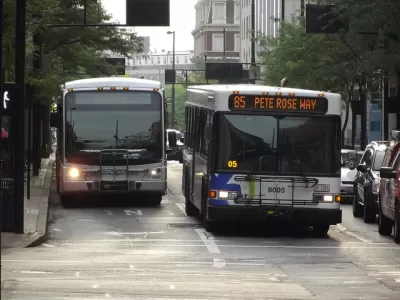
Hannah Sparling sets the scene for a bus transit debate in Cincinnati:
Here’s what probably won’t happen this year: A bus levy from Cincinnati Metro.
Here’s what might, though: A bus levy from, um, 6,400 other people.
The Better Bus Coalition is "floating the idea" of an earnings-tax increase for the November ballot. "Unlike a countywide sales tax – which is up to the 13-member board of the Southwest Ohio Regional Transit Authority (SORTA) to put on the ballot – the earnings tax would be a citywide charter amendment," explains Sparling.
The idea would still need to gather enough signatures to appear on the ballot. Sparling notes, however, that the Better Bus Coalition is pushing for this action after "years of debate" on how to fund improvements to the bus system and delays from politicians.
"In 2017, the SORTA board said it would go for a levy in 2018. In 2018, the decision was pushed back to 2019. Now, though 2019 is still technically on the table, 2020 is looking more likely," according to Sparling.
Because of that timeline, Sparling makes it clear, "This charter amendment is not what many officials and politicians want. They are lining up support for a countywide transit levy in 2020 that would raise more money from a broader pool of taxpayers."
Read the full story: Tired of waiting, some bus riders want a levy now

Transit Improvements Coming to Cincinnati Area After Voters Approve New Sales Tax
Hamilton County, Ohio, home to Cincinnati and the Southwest Ohio Regional Transit Authority, has a new coffer of money to fund public transit improvements.
Management Divorce for the Cincinnati Streetcar
Efforts to bolster support for a countywide sales tax levy in Hamilton County, Ohio, are pushing the city to fire SORTA as the manager of the troubled Cincinnati Bell Connector.
Bolstering the Case for Public Transit Investment by Connecting the Dots to Infrastructure
The Southwest Ohio Regional Transit Authority wants funding to revamp its bus system, but convincing voters of a tax's necessity will require bigger thinking.

Planetizen Federal Action Tracker
A weekly monitor of how Trump’s orders and actions are impacting planners and planning in America.

The state-sanctioned urbicide of Austin
People don’t kill cities. Freeways do.

US to reduce Colorado River water deliveries to Mexico
A new Colorado Treaty amendment reduces Mexico’s Colorado River water allocation by 250,000 acre feet.

Nation's most wind-powered state turns to coal as data centers increase energy demand
For the first time in decades, Iowa has increased its generation of coal power.
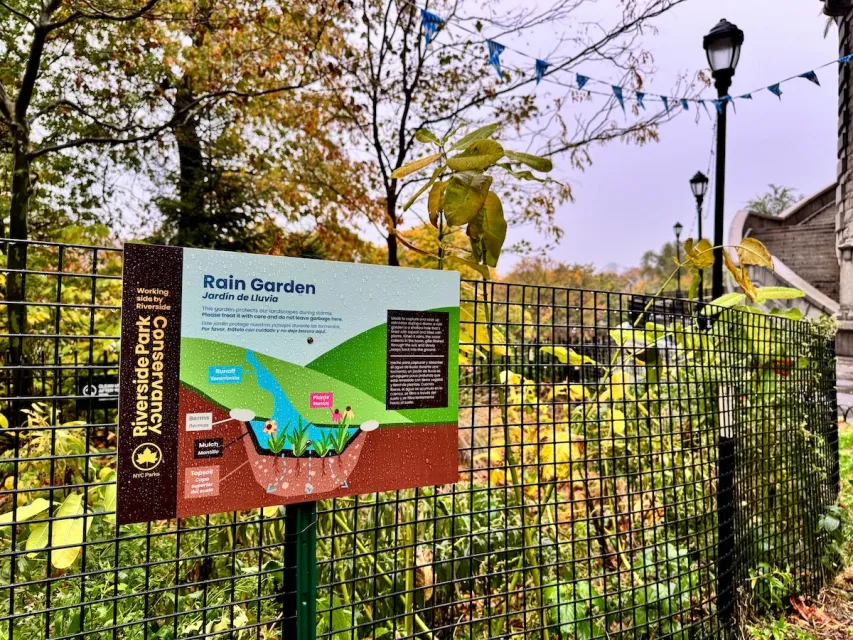
NYC cools commuters with city's first rain garden above a bus stop
New York City officials say the plants in the rain garden can absorb 16 gallons of rainwater during heavy storms.

Brightline West’s future may rely on $6 billion federal loan
The company has until Nov. 2 to make a $400 million equity investment into its proposed high-speed rail line.

FREE Course: Walkable City 1: Why Walkability?
After describing his path towards focusing on walkability as the essence of good planning, Jeff Speck marches through his five principal reasons for making more walkable places.
Reinventing Malls: Planning Alchemy—Turning Gray Fields Into Gold
The course focuses on the opportunities and imperatives that shape reinvention of mall sites.

Eagle County Government
Harvard University Graduate School of Design
Nashville Planning Department
The Architects Foundation
University of Cincinnati Online
The Pocatello Development Authority
The Urban Renewal Agency of the City of Pocatello
Journal of the American Planning Association