Hamilton County, Ohio, home to Cincinnati and the Southwest Ohio Regional Transit Authority, has a new coffer of money to fund public transit improvements.


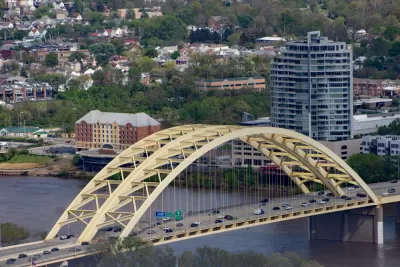
"Voters in Cincinnati approved a new 0.8-cent sales tax in April — in the middle of the pandemic — to provide some $100 million a year for transit for projects and upgrades," reports Skip Descant.
Original estimates expected the sales tax to generate $100 million a year for transit projects in the Southwest Ohio Regional Transit Authority (SORTA) service area in Hamilton County, with another $30 million for other transportation projects. The economic downturn of the COVID-19 pandemic is expected to dial those numbers back, but the full extent of the shortfall isn't yet apparent.
SORTA officials are still excited about the new revenue, however. The Reinventing Metro Plan will provide direction for improvements, and riders can expect "increased bus frequency, increased service on nights and weekends, with six routes introducing 24-hour service, which did not previously exist," as a result of the new revenue, reports Descant. "Two bus-rapid-transit routes are also being planned."
FULL STORY: New Sales Tax Will Fuel Transit Modernization in Cincinnati

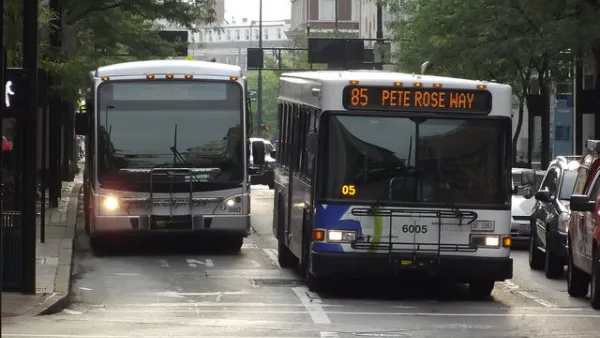
Swapping One Tax for Another to Fund Bus Improvements
Cincinnati area voters might get a chance to decide the future of transit funding in the city of Cincinnati and the county of Hamilton.
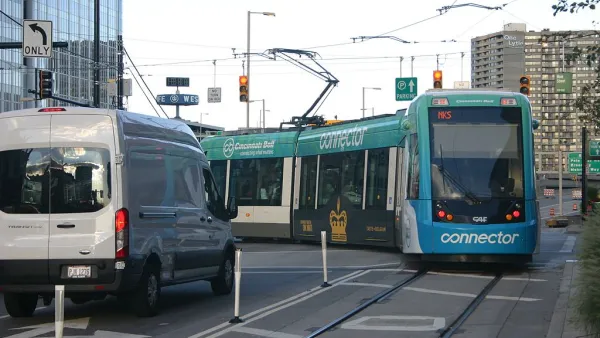
Management Divorce for the Cincinnati Streetcar
Efforts to bolster support for a countywide sales tax levy in Hamilton County, Ohio, are pushing the city to fire SORTA as the manager of the troubled Cincinnati Bell Connector.
Bolstering the Case for Public Transit Investment by Connecting the Dots to Infrastructure
The Southwest Ohio Regional Transit Authority wants funding to revamp its bus system, but convincing voters of a tax's necessity will require bigger thinking.

Planetizen Federal Action Tracker
A weekly monitor of how Trump’s orders and actions are impacting planners and planning in America.

The state-sanctioned urbicide of Austin
People don’t kill cities. Freeways do.

US to reduce Colorado River water deliveries to Mexico
A new Colorado Treaty amendment reduces Mexico’s Colorado River water allocation by 250,000 acre feet.

Baltimore to break ground on $50 million Transit Priority Project
The project will bring faster bus trips, safer streets and better bike connections to Baltimore.

Airbnb launches $250 million 'last-dollar financing' housing accelerator, makes first investment in Austin
The company will put $6.4 million towards affordable housing development in Texas’ capital.

Guerilla urbanists are building DIY bus stop benches in Chicago
A before-and-after of one of the bus stops with a new bench. The new benches are not officially sanctioned or permitted, but the residents who placed them hope they will be the start of a network of DIY benches across the city.

FREE Course: Walkable City 1: Why Walkability?
After describing his path towards focusing on walkability as the essence of good planning, Jeff Speck marches through his five principal reasons for making more walkable places.
Reinventing Malls: Planning Alchemy—Turning Gray Fields Into Gold
The course focuses on the opportunities and imperatives that shape reinvention of mall sites.

Eagle County Government
Harvard University Graduate School of Design
Nashville Planning Department
The Architects Foundation
University of Cincinnati Online
The Pocatello Development Authority
The Urban Renewal Agency of the City of Pocatello
Journal of the American Planning Association