The Daily Source of Urban Planning News

LGBTQ+ Groups Have Been Quietly Buying Property, Building Equity and Community
A temporary window of flexible funds in the early 2020s allowed many queer- and trans-led organizations to achieve long-held dreams of owning their own buildings and housing their members.

Artists Blanket Houston in Rainbow Murals After City Removes Rainbow Crosswalks
Houstonians are responding to the removal of rainbow crosswalks with new murals celebrating diversity.

Montreal Artist Envisions What Cities Would Sound Like if we Deprioritized Cars
What would a city sound like without the noise of vehicles?

Baltimore Seeks to Stem Population Loss by Eliminating Parking Requirements, Legalizing Single-Stair Buildings
A package of zoning reforms is aimed at making it easier to build and redevelop housing to draw people back to the city, which has been losing population steadily.

FEATURE
How Georgia’s Drop in Per Capita Income Presaged Its Rural Demographic Collapse
Before a collapse in Georgia’s rural counties population, a decade of drops in per capita income lay the foundation for future trouble.
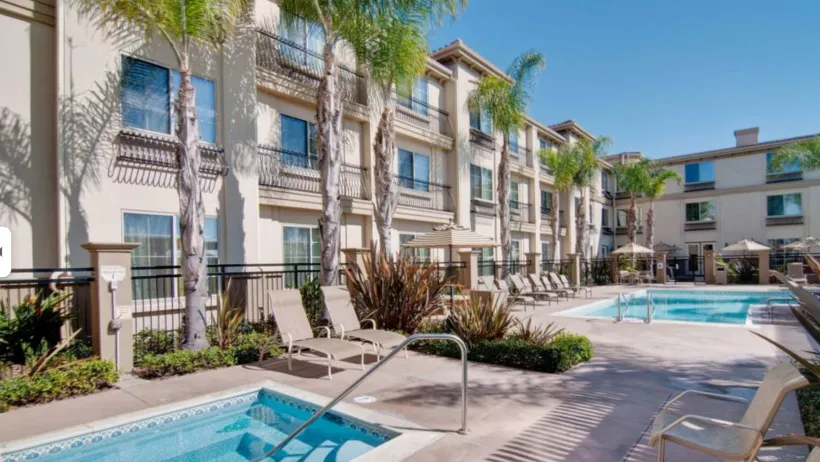
SoCal Hotel to Become 98 Housing Units
A shuttered Carlsbad extended stay hotel offers an opportunity to quickly bring close to 100 new housing units on the market, including 15 affordable apartments.

Denver Land Trust Fights Displacement Whether It Owns the Land or Not
Tierra Colectiva, a community land trust in the Denver neighborhoods of Globeville and Elyria-Swansea, combines community organizing, traditional CLT development, and more unusual roles in a large affordable housing development.

Just 5% of Idaho Homes Affordable to Middle-Income Households
Idaho is in the top six least affordable states for the middle income bracket.

Teachers Make 5% Less Than a Decade Ago. These Districts are Building Housing for Them
The housing crisis is hitting education workers particularly hard, making it difficult to find housing near their workplaces.

US Commuters Lost 8 Workdays to Traffic in 2024
As more employers call workers back to the office, commute times are growing — and costing drivers in time and money.

Illinois ‘People Over Parking Act’ Bans Parking Requirements Near Transit
The new law could unlock denser, more affordable housing development near train and bus lines.

An Ohio School District is Known for its Walkability. A District Overhaul is Jeopardizing That.
Lakewood plans to close some schools and consolidate students to a centralized early education center, eliminating years of work that created safe walking routes to neighborhood schools.

Five Ways to Break the Cycle of Extractive Real Estate
Here are the steps to having economies operated by stewardship, not speculation.

BLOG POST
October Must-Reads: Top 10 Articles From Last Month
Arizona’s future needs sustainable growth, and part of the answer may lie in an experiment from its past.

Trump’s 10% Tariff on Buses Could Raise Transit Costs Across North America
A new tariff on transit bus production will most significantly impact Canadian transit systems that rely on cross-border production.

Texas Grapples with How to Power New Data Centers That Consume More Energy than Cities
The state’s utility grid operator is scrambling to adjust its planning processes to meet a skyrocketing number of interconnection requests.

US Census Releases Most Accurate, Granular Housing Data Yet
A new measurement tool eliminates the inaccuracies that have plagued data about housing supply, helping governments more clearly understand how housing policies are impacting local needs.

Report: Corporate Investors Bought One Quarter of Philadelphia Homes since 2016. Advocates are Raising Alarms.
Corporate buyers are putting homeownership out of reach for more regular households, forcing more people into renting and raising the cost of homeownership.

BLOG POST
On the Tradeoffs Between Sunlight and Walkability
There are five kinds of streets in this world.

Report Shows San Francisco’s ‘Family Zoning’ Plan Would Produce Less Than Half of Needed Housing Units
The city’s economic analysis reveals that a rezoning proposal would yield from 8,504 to 14,646 units, well below the number required by the state.
City of Charlotte
City of Rosemead
Rutgers University, Edward J. Bloustein School of Planning and Public Policy
University of Michigan School for Environment and Sustainability (SEAS)
Hunter College, City University of New York (CUNY)
The Architects Foundation
City of Cambridge
The Pocatello Development Authority
The Urban Renewal Agency of the City of Pocatello

FREE Course: Walkable City 1: Why Walkability?
After describing his path towards focusing on walkability as the essence of good planning, Jeff Speck marches through his five principal reasons for making more walkable places.
Reinventing Malls: Planning Alchemy—Turning Gray Fields Into Gold
The course focuses on the opportunities and imperatives that shape reinvention of mall sites.










