Even in the depths of extreme heat, many shelters prohibit residents from installing AC units.


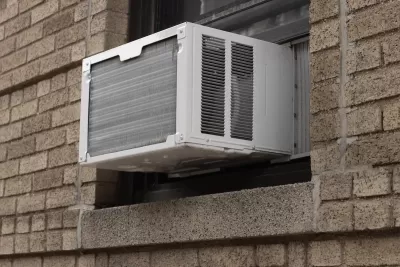
Residents of New York City homeless shelters are often barred from installing air conditioning units, report Andy Newman and Julian Roberts-Grmela for The New York Times, putting many at risk of heat-related illnesses. “Thousands of families with children live in New York City shelters that lack air-conditioning in the rooms where people live and sleep, even in the depths of a heat wave.” More than 100 NYC shelters are in buildings without air conditioning.
According to the article, “The city allows air-conditioners to be installed in units in older shelter buildings, but residents must obtain a note from a health care provider saying that a unit is medically necessary.” Yet even when residents have a doctor’s note, some say they had a hard time getting AC units approved, and the city says some buildings’ wiring isn’t equipped to handle the demand of ACs in every room. “Shelters typically have an air-conditioned common area, but those rooms do not offer places to sleep.”
FULL STORY: Air-Conditioning Is a Perk Many New York Homeless Shelters Don’t Allow

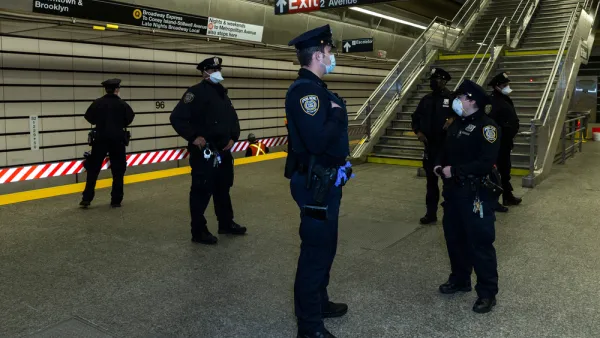
More Unhoused New Yorkers Died in 2021 Than in any Prior Year
New York City saw its deadliest year for people living in shelters or public spaces, with the pandemic and a rise in deadly overdoses fueling a fatal epidemic.

The Pacific Northwest is an unlikely front in the fight for cooling
A 2021 heat dome killed over 250 people in the Pacific Northwest, bringing into sharp focus the potential of extreme heat to have deadly consequences even in historically cool climates.
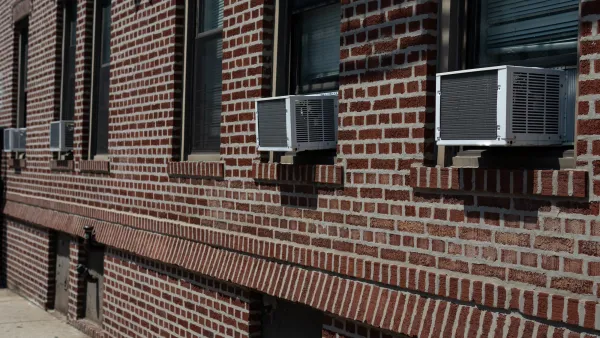
New NYC Law Requires Landlords to Provide AC Units — But not in Public Housing
Building owners are required to install AC units for tenants who request them in the next four years, but tenants are on the hook for electricity costs.

The state-sanctioned urbicide of Austin
People don’t kill cities. Freeways do.

US to reduce Colorado River water deliveries to Mexico
A new Colorado Treaty amendment reduces Mexico’s Colorado River water allocation by 250,000 acre feet.

New Jersey’s second-largest city bans standalone data centers
Jersey City will continue to allow co-location facilities, such as those meant for research institutions that store their own data.

Amtrak not solely to blame for New Jersey commuter rail's unreliability, report finds
A new study from the Garden State Initiative found that NJ Transit’s budget grew 20% across a 4 year period, but reliability declined significantly over the same period.

EPA erases limits on planet-warming pollution from power plants
Under Monday’s plan, power plants would still have some limits on how much mercury, arsenic and other contaminants they can emit.

Phoenix announces new on-demand transit service, more frequent RAPID buses
Both new services will launch in October, and are part of Phoenix's Project Effective Access Solutions for Easing Congestion.

FREE Course: Walkable City 1: Why Walkability?
After describing his path towards focusing on walkability as the essence of good planning, Jeff Speck marches through his five principal reasons for making more walkable places.
Reinventing Malls: Planning Alchemy—Turning Gray Fields Into Gold
The course focuses on the opportunities and imperatives that shape reinvention of mall sites.

Eagle County Government
Harvard University Graduate School of Design
Nashville Planning Department
The Architects Foundation
University of Cincinnati Online
The Pocatello Development Authority
The Urban Renewal Agency of the City of Pocatello
Journal of the American Planning Association