Autonomous buses could improve bus yard operations for electric fleets, according to CapMetro.


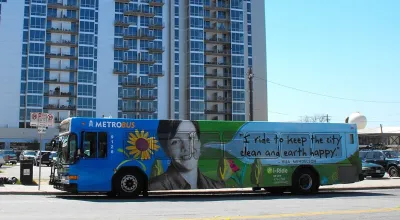
Austin’s Capital Metropolitan Transportation Authority (CapMetro) is piloting an automated electric bus, which could improve the efficiency of bus yard operations. As Dan Zukowski explains in Smart Cities Dive, “The technology could increase existing bus yard capacity up to 90% while also improving safety for drivers, mechanics and other workers,” according to a press release from engineering services company WSP.
“CapMetro had planned to fully electrify its transit bus fleet by 2035, but it has encountered setbacks including the bankruptcy of one of its bus suppliers, reliability and range issues and charging capacity at its main bus depot.”
Zukowski adds, “The demonstration bus meets SAE Level 4 driving automation standards, which do not require a human driver but are limited to specific service areas.” The bus was tested in the authority’s North Operations and Maintenance Facility and successfully navigated obstacles and parked at a charging station.
Read the full story: Austin, Texas, tests autonomous transit bus


Austin’s Project Connect Funding Safe for 2025
The light rail project is moving ahead with plans to finalize its environmental impact review by late 2025.
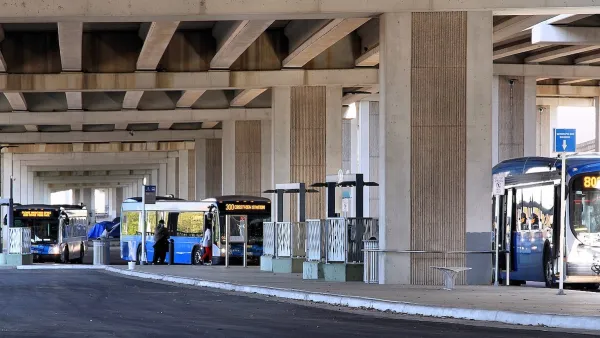
New Rapid Bus Lines Begin “Introductory Service” in Austin
CapMetro officials say they wanted to start providing connectivity even though buses won’t run as frequently as planned.

Austin Transit Agency Backs Down on Electric Bus Pledge
Technology problems, short ranges, and supply chain issues hinder Cap Metro’s ambitious electrification plan.

Planetizen Federal Action Tracker
A weekly monitor of how Trump’s orders and actions are impacting planners and planning in America.

Chicago breaks ground on $3 billion megadevelopment
The new neighborhood, titled Foundry Park, will one day host 3,700 residences.

This MA town is drowning in its own sewage — and residents like it that way
Susan Murcott, a waste water expert, said if Carlisle didn't address their leaking sewage, the problem could turn “deadly.”

Home batteries are ushering in an energy revolution
Batteries capable of storing solar energy can stabilize the grid during peaks and keep homes running on cloudy days.

A sneak peek at NYC’s Midtown Bus Terminal rebuild
The city will turn a deck used for storage during the construction process into a park once construction is complete.

Air taxis to connect Texas airports to business hubs
Archer Aviation says its taxis will turn 90 minute drives into 20 minute flights.

FREE Course: Walkable City 1: Why Walkability?
After describing his path towards focusing on walkability as the essence of good planning, Jeff Speck marches through his five principal reasons for making more walkable places.
Reinventing Malls: Planning Alchemy—Turning Gray Fields Into Gold
The course focuses on the opportunities and imperatives that shape reinvention of mall sites.


City of Rosemead
Rutgers University, Edward J. Bloustein School of Planning and Public Policy
One Hundred Miles
The Architects Foundation
University of Cincinnati Online
Montrose County
Northern Illinois Transit Authority (NITA)
The Pocatello Development Authority