A local bike safety protest has become a global phenomenon.


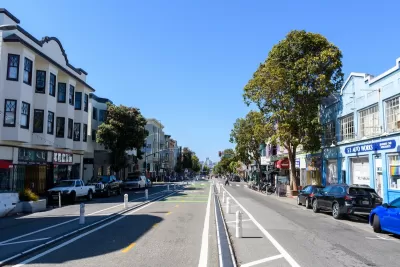
A road safety protest dubbed People Protected Bike Lanes (PPBL) is helping spur action and improve road safety in San Francisco and far beyond, writes Roger Rudick in Streetsblog San Francisco.
The movement, which started in 2017, involves demonstrations “in which participants stand on the street in a line between cyclists and car traffic to demonstrate the inadequacy of existing bicycle infrastructure.”
According to a study from NYU researcher Marcel Moran, “At the close of 2023, 32 of the 55 locations (58 percent) where PPBL took place have had protected bike lanes installed.” Moran attributes the protests’ success in part to their non-combative nature. “They instantly convey what the demonstration is asking for, they show bravery on the part of the participants, but they don't actually delay anybody except perhaps the minority of drivers who were attempting to park illegally on the block, he explained.”
Moran adds, “PPBL represents one of the latest forms of bicycle demonstrations, joining a long history of activism that stretches back decades in both Europe and the United States. For example, Amsterdam’s transition to one of the world’s most bike-friendly cities, including expansive bicycle infrastructure and restrictions on cars, was significantly influenced by consistent protests.”
FULL STORY: Study: People Protected Bike Lanes Made a Difference

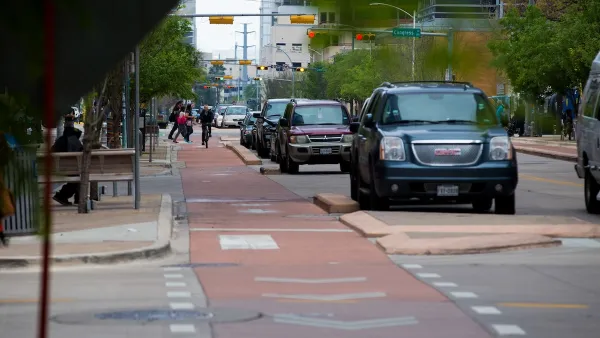
Austin Outlaws Blocking Bike Lanes
Drivers who park in bike lanes will receive citations of up to $300.
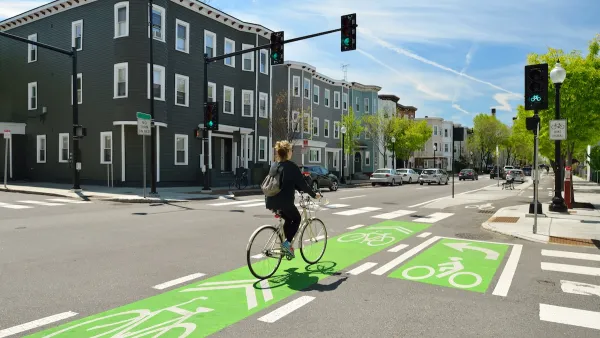
NACTO Releases Updated Urban Bikeway Guide
The third edition of the nationally recognized road design guide includes detailed design advice for roads that prioritize safety and accessibility for all users.
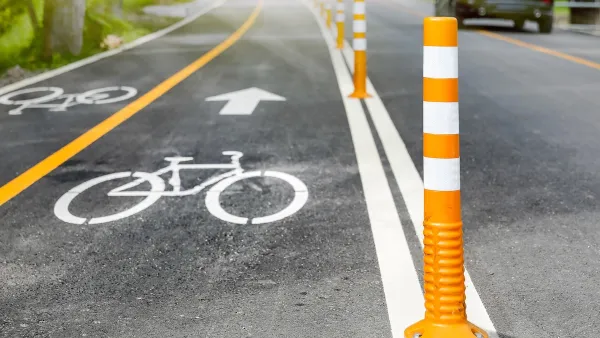
Study: Bike Lanes Improve Road Safety
Bike lanes delineated with bollards or traffic cones are most likely to slow drivers and reduce crashes between cars and bikes.

Planetizen Federal Action Tracker
A weekly monitor of how Trump’s orders and actions are impacting planners and planning in America.

The state-sanctioned urbicide of Austin
People don’t kill cities. Freeways do.

US to reduce Colorado River water deliveries to Mexico
A new Colorado Treaty amendment reduces Mexico’s Colorado River water allocation by 250,000 acre feet.

Baltimore to break ground on $50 million Transit Priority Project
The project will bring faster bus trips, safer streets and better bike connections to Baltimore.

Airbnb launches $250 million 'last-dollar financing' housing accelerator, makes first investment in Austin
The company will put $6.4 million towards affordable housing development in Texas’ capital.

Guerilla urbanists are building DIY bus stop benches in Chicago
A before-and-after of one of the bus stops with a new bench. The new benches are not officially sanctioned or permitted, but the residents who placed them hope they will be the start of a network of DIY benches across the city.

FREE Course: Walkable City 1: Why Walkability?
After describing his path towards focusing on walkability as the essence of good planning, Jeff Speck marches through his five principal reasons for making more walkable places.
Reinventing Malls: Planning Alchemy—Turning Gray Fields Into Gold
The course focuses on the opportunities and imperatives that shape reinvention of mall sites.

Eagle County Government
Harvard University Graduate School of Design
Nashville Planning Department
The Architects Foundation
University of Cincinnati Online
The Pocatello Development Authority
The Urban Renewal Agency of the City of Pocatello
Journal of the American Planning Association