Convenient and secure bike parking can make a major impact on whether people adopt biking as a daily transportation option.


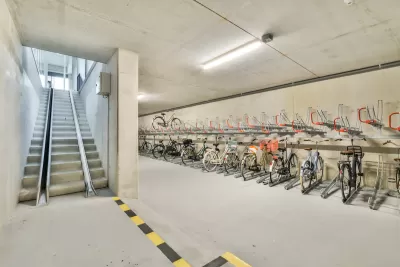
The California Building Standards Commission is updating its code to include bicycle parking requirements per a 2022 state law, writes Jared Sanchez in Streetsblog California.
The legislation matters because “Bicycle theft is widespread, and leaving a bike out in the elements can increase wear and cause it to require more frequent maintenance. With the popularity of e-bikes, theft is an even bigger consideration. So the availability of secure bike parking in residential buildings is essential for bike riders.”
Providing secure bike parking at home, work, and in public buildings can encourage more people to adopt biking as a daily transportation mode. Bicycle parking also takes up less space and costs less to include in new buildings.
According to advocacy organization CalBike, “The commission has proposed a change to require 0.5 long-term bike parking spots per unit in residential buildings. We think that’s not enough, and recommend doubling that to one spot per unit. These spots must include some that can accommodate longer or wider bikes, such as cargo bikes and adaptive bicycles. In addition, the parking area needs outlets for e-bike charging.”
FULL STORY: Help Shape Bike Parking in State Building Code

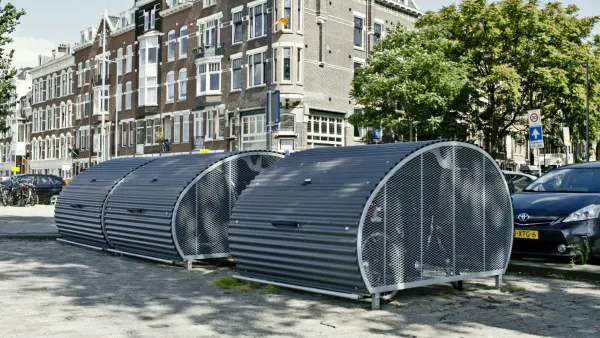
NYC Launches Citywide Secure Bike Parking Network
The new parking hubs will span 500 locations and offer an alternative to taking bikes on crowded transit or up multi-story apartment stairs.

California Law Delays Bike Parking Requirements
A state law that delays new building code updates after the destructive Eaton and Palisades fires means bike advocates won’t see meaningful changes to bike parking rules for at least two years.
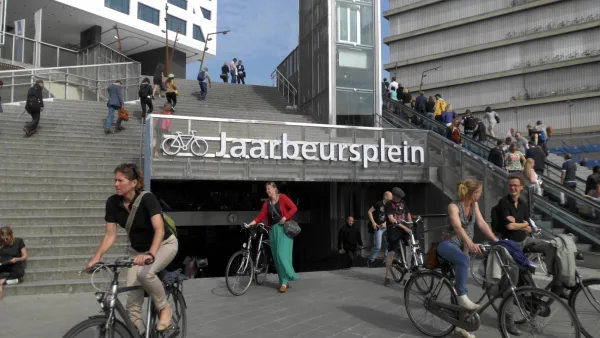
Supporting Cycling Takes More Than Just Bike Lanes
Safe, protected bike lanes are a key part of a city’s bike infrastructure — but secure parking, e-bike charging, and other amenities can also influence people’s shift to cycling.

Planetizen Federal Action Tracker
A weekly monitor of how Trump’s orders and actions are impacting planners and planning in America.

The state-sanctioned urbicide of Austin
People don’t kill cities. Freeways do.

US to reduce Colorado River water deliveries to Mexico
A new Colorado Treaty amendment reduces Mexico’s Colorado River water allocation by 250,000 acre feet.

Baltimore to break ground on $50 million Transit Priority Project
The project will bring faster bus trips, safer streets and better bike connections to Baltimore.

Airbnb launches $250 million 'last-dollar financing' housing accelerator, makes first investment in Austin
The company will put $6.4 million towards affordable housing development in Texas’ capital.

Guerilla urbanists are building DIY bus stop benches in Chicago
A before-and-after of one of the bus stops with a new bench. The new benches are not officially sanctioned or permitted, but the residents who placed them hope they will be the start of a network of DIY benches across the city.

FREE Course: Walkable City 1: Why Walkability?
After describing his path towards focusing on walkability as the essence of good planning, Jeff Speck marches through his five principal reasons for making more walkable places.
Reinventing Malls: Planning Alchemy—Turning Gray Fields Into Gold
The course focuses on the opportunities and imperatives that shape reinvention of mall sites.

Eagle County Government
Harvard University Graduate School of Design
Nashville Planning Department
The Architects Foundation
University of Cincinnati Online
The Pocatello Development Authority
The Urban Renewal Agency of the City of Pocatello
Journal of the American Planning Association