TxDOT has filed “takings lawsuits” against holdout property owners along the eight-mile stretch of I-35 slated for widening in Austin, but property owners say the agency isn't offering just compensation.


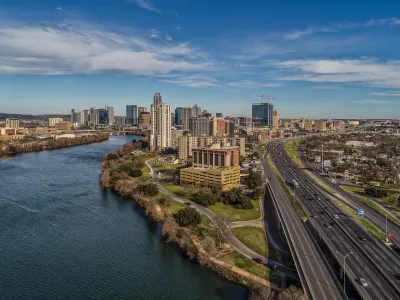
The I-35 expansion in Austin has drawn loud and extensive opposition from locals, including multiple lawsuits against the Texas Department of Transportation aimed at stopping the project. But TxDOT is in the early stages of waging a legal battle of its own, according to an article in local news outlet KXAN. Kelsey Thompson reports that an Austin-based attorney representing more than a dozen property owners has confirmed TxDOT is suing several of his clients over property acquisitions.
“More than 100 residences and businesses along the eight-mile project corridor — running along I-35 from U.S. Highway 290 East to State Highway 71 and Ben White Boulevard — were marked for displacement due to the planned expansions,” Thompson writes. Property owners began receiving initial offers from TxDOT last year as part of the eminent domain process (when the government exercises its constitutional right to take private property for public use, with just compensation). That catch, according to property owners? The properties are worth more than TxDOT is offering, which violates their Fifth Amendment rights and constitute an illegal taking.
“TxDOT has previously told KXAN it works with an independent appraiser to assess the market value of properties it’s looking to buy as part of a planned project,” Thompson writes. But property owners' attorney says those assessments don’t include dramatic increases in Austin property values in recent years, including changes to Austin’s development code like removal of minimum parking requirements, new zoning overlays, and opportunity for denser development. Property owners also contend that they can’t find comparable areas or properties to relocate with the amount of money TxDOT is offering. Their attorney told KXAN he "expects many of the jury trials related to the I-35 Capital Express Central project will come sometime in 2025 or later on."
FULL STORY: TxDOT sues several displaced properties amid planned I-35 expansion

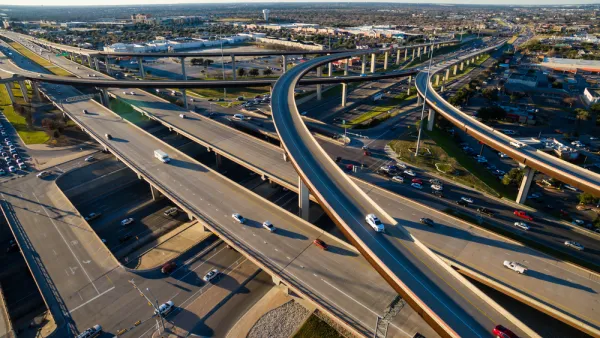
Austin Interstate Expansion Plan Draws Opposition
A proposal to widen I-35 has drawn criticism from community members who want to see the city shift away from car-centric development.
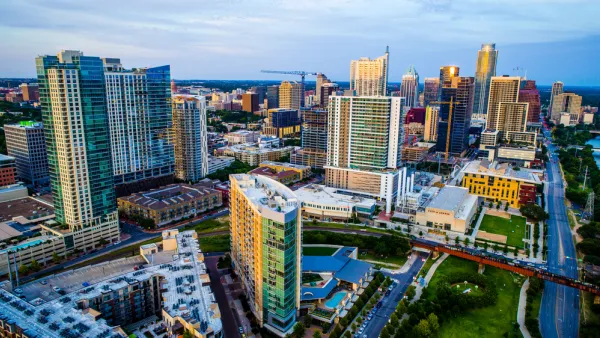
Austin City Council Urges TxDOT to Reconsider I-35 Expansion
In a letter to the department, the city called for an increased focus on shifting demand away from single-occupancy vehicles and boosting other forms of transportation.
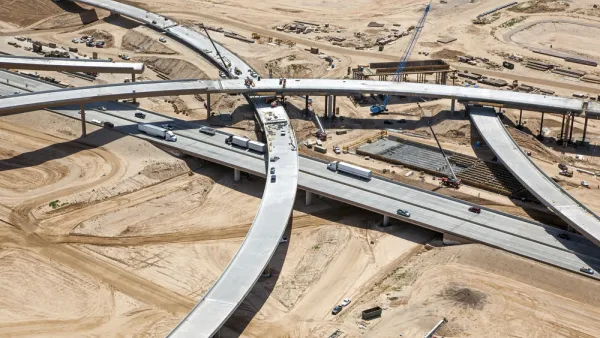
Toll and Tax, or Just Tax, to Pay for Highway Expansion?
A political decision by the Texas Transportation Commission last December to drop projects which included toll lanes was thought to doom 15 road expansions from their 10-year capital plan, but some will go forward with HOV as opposed to HOT lanes.

The state-sanctioned urbicide of Austin
People don’t kill cities. Freeways do.

US to reduce Colorado River water deliveries to Mexico
A new Colorado Treaty amendment reduces Mexico’s Colorado River water allocation by 250,000 acre feet.

New Jersey’s second-largest city bans standalone data centers
Jersey City will continue to allow co-location facilities, such as those meant for research institutions that store their own data.

Amtrak not solely to blame for New Jersey commuter rail's unreliability, report finds
A new study from the Garden State Initiative found that NJ Transit’s budget grew 20% across a 4 year period, but reliability declined significantly over the same period.

EPA erases limits on planet-warming pollution from power plants
Under Monday’s plan, power plants would still have some limits on how much mercury, arsenic and other contaminants they can emit.

Phoenix announces new on-demand transit service, more frequent RAPID buses
Both new services will launch in October, and are part of Phoenix's Project Effective Access Solutions for Easing Congestion.

FREE Course: Walkable City 1: Why Walkability?
After describing his path towards focusing on walkability as the essence of good planning, Jeff Speck marches through his five principal reasons for making more walkable places.
Reinventing Malls: Planning Alchemy—Turning Gray Fields Into Gold
The course focuses on the opportunities and imperatives that shape reinvention of mall sites.

Eagle County Government
Harvard University Graduate School of Design
Nashville Planning Department
The Architects Foundation
University of Cincinnati Online
The Pocatello Development Authority
The Urban Renewal Agency of the City of Pocatello
Journal of the American Planning Association