The city of Chicago has agreed to take significant steps to remediate decades of discriminatory zoning and land use policies.


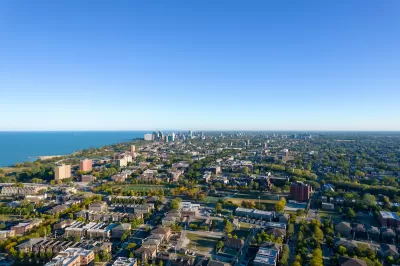
A May 2023 settlement with the U.S. Department of Housing and Urban Development (HUD) and three South Side environmental justice organizations (Southeast Environmental Task Force, the South East Side Coalition to Ban Petcoke, and People for Community Recovery) will require the city of Chicago to take significant actions to prevent and reverse decades of discriminatory land use and development practices that placed the burden of pollution on disadvantaged communities.
An article by Gina Ramirez for the National Resources Defense Council refers to the locations and communities in the city subject to the pollution of industrial facilities and other noxious uses as “sacrifice zones.”
According to the Ramirez, the settlement requires the city’s chief sustainability officer and the commissioner of the Chicago Department of Public Health (CDPH) to share the results of a cumulative impact assessment (CIA) with both the mayor and the chair of the city council’s Committee on Environmental Protection and Energy by October 31, 2023. The goal of the report: to begin a public process for the development of a cumulative impacts ordinance, designed to “change business as usual in Chicago and begin to dismantle the structures that created sacrifice zones in the first place.”
Moreover, “The Office of Climate and Environmental Equity (OCEE) and CDPH will lead a team of representatives from across city departments to address environmental impacts and develop an Environmental Justice Action Plan by Sept. 1, 2023, to address cumulative impacts and change internal policies for better protection.”
Also, “The settlement includes a commitment from the Department of Planning and Development (DPD) to submit a plan that will propose updating zoning regulations, such as the alteration or elimination of permitted-by-right or special use status for manufacturing, recycling, waste-related, and other intensive industrial land uses in commercial, manufacturing, and planned manufacturing zoning districts.”
There are more actions required of the city, including steps to improve date transparency and partnerships, as well as adding new public information resources for the city’s Industrial Corridor Modernization Initiative, Chicago Sustainable Development Policy, and the Chicago Plan Commission, along with other land use initiatives.
More info on the settlement is available in a May 12, 2023 press release from HUD. One of the community groups that helped achieve the settlement, People for Community Recovery, has since been threatened with eviction from its longtime home at Chicago Housing Authority’s Altgeld Gardens in Riverdale.
Read the full story: Chicago’s Historic Environmental Justice HUD Settlement

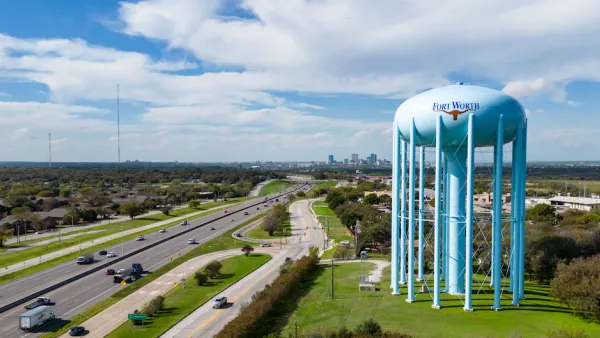
Fort Worth Amends Comprehensive Plan to Reduce Industrial Zone
After residents protested the size and location of a proposed industrial growth zone, the city council voted to adopt an amended version of the plan.

Illinois Legislators Pass Controversial I-55 Road Expansion Legislation
Legislation to enable the addition of express toll lanes on Interstate 55 in the Southwest Side of Chicago, opposed by environmental justice advocates, cleared the Illinois General Assembly last month.
Dallas Neighborhoods Fight Toxic Zoning
Communities in south and west Dallas are working to introduce zoning reform that would reduce industrial pollution and hold companies accountable for their impacts on surrounding neighborhoods.

Planetizen Federal Action Tracker
A weekly monitor of how Trump’s orders and actions are impacting planners and planning in America.

The state-sanctioned urbicide of Austin
People don’t kill cities. Freeways do.

US to reduce Colorado River water deliveries to Mexico
A new Colorado Treaty amendment reduces Mexico’s Colorado River water allocation by 250,000 acre feet.
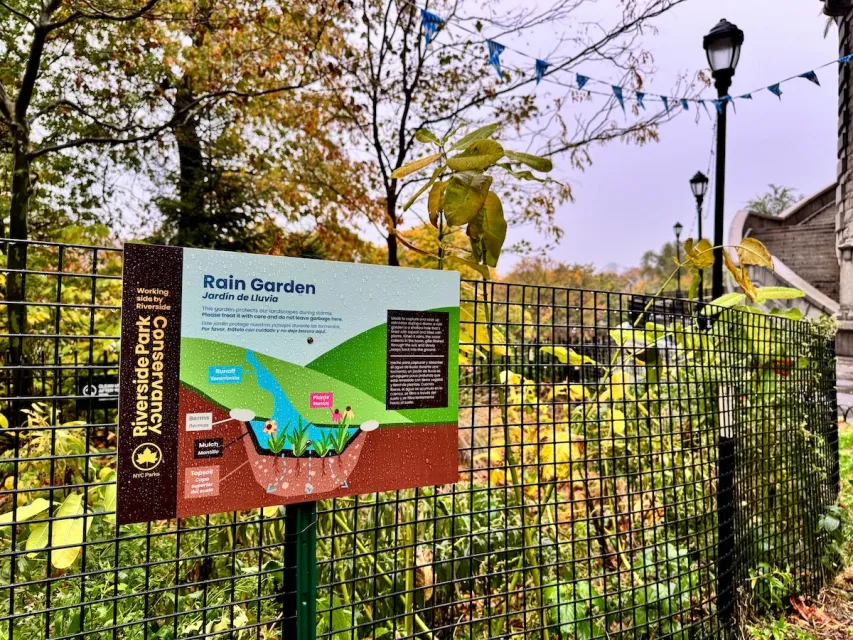
NYC cools commuters with city's first rain garden above a bus stop
New York City officials say the plants in the rain garden can absorb 16 gallons of rainwater during heavy storms.

Brightline West’s future may rely on $6 billion federal loan
The company has until Nov. 2 to make a $400 million equity investment into its proposed high-speed rail line.

LA Metro’s ultimatum: no extra buses for LA28 if federal funding isn’t imminently secured
If Metro does not provide additional buses, LA28 organizers will have to find a new way to manage Olympic traffic. LA28’s budget does not include a line item for transit.

FREE Course: Walkable City 1: Why Walkability?
After describing his path towards focusing on walkability as the essence of good planning, Jeff Speck marches through his five principal reasons for making more walkable places.
Reinventing Malls: Planning Alchemy—Turning Gray Fields Into Gold
The course focuses on the opportunities and imperatives that shape reinvention of mall sites.

Eagle County Government
Harvard University Graduate School of Design
Nashville Planning Department
The Architects Foundation
University of Cincinnati Online
The Pocatello Development Authority
The Urban Renewal Agency of the City of Pocatello
Journal of the American Planning Association