Cyclists across the state resoundingly called for more safe bike infrastructure and trails, citing a lack of bike lanes as a top reason for not riding more.


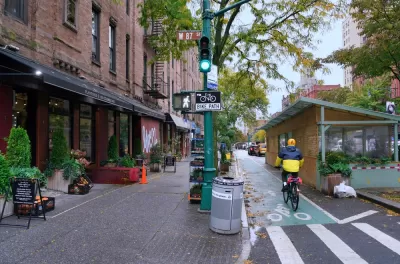
Results of the New York Cycling Census indicate that, unsurprisingly, cyclists say better bike lanes and other safe bike infrastructure encourage more people to bike, writes Dave Colon in Streetsblog NYC.
“The need for safe bike routes to make cycling more popular might seem like an obvious solution to anyone who’s deep in the street safety fight, but one of the architects of the survey said that the results help make the case that every part of the state should make cycling infrastructure a priority.”
Across all New York counties, respondents expressed “overwhelming demand” for more bike infrastructure, according to the census. The census, which received 13,740 responses, was one of the largest U.S. bike surveys ever conducted. “The survey found that the top three reasons people rode their bike were for fitness (21 percent), fun (21 percent) or mental health (19 percent), and that the top three trip types on bikes were recreation (28 percent), exercise (27 percent) and commuting (17 percent).”
The authors note that data on specific reasons why people ride or don’t ride bikes can be a useful tool for policymakers and advocates, “as it allows for a new way for governments to figure out how to build bike-friendly communities.”
FULL STORY: “Cyclists Statewide Agree: More Bike Lanes Means More People On Bikes

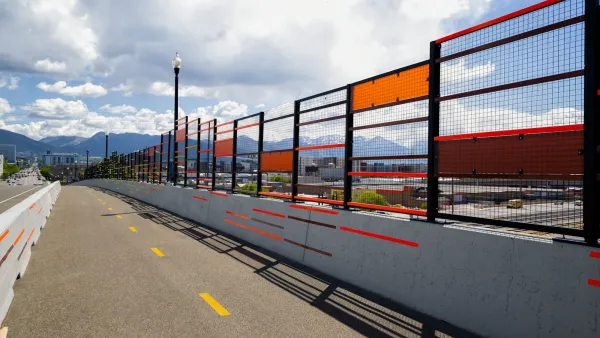
Salt Lake City opens protected bike path on viaduct trail
The 400 South Viaduct Trail features the state's longest continuous piece of public art.
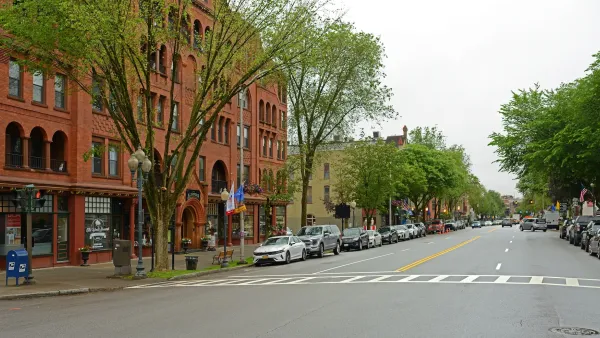
Saratoga Springs bike advocates say city is ignoring its Complete Streets plan
Despite a commitment to improving its multimodal infrastructure, the city has no plans to install bike lanes or curb cuts as part of repaving projects on two streets.
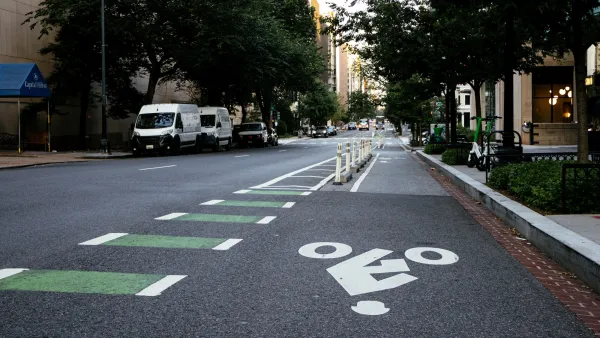
NPS to Remove a Popular, Life-saving DC Bike Lane
Bicycle injury crashes along the 15th Street corridor dropped by 91% after a protected bike lane was installed.

Planetizen Federal Action Tracker
A weekly monitor of how Trump’s orders and actions are impacting planners and planning in America.

The state-sanctioned urbicide of Austin
People don’t kill cities. Freeways do.

US to reduce Colorado River water deliveries to Mexico
A new Colorado Treaty amendment reduces Mexico’s Colorado River water allocation by 250,000 acre feet.

5 New England states march closer to 800 megawatt wind energy project
Securing federal approval for the project may be complicated under the Trump administration, which has historically been hostile towards domestic wind power.

Baltimore to break ground on $50 million Transit Priority Project
The project will bring faster bus trips, safer streets and better bike connections to Baltimore.

Airbnb launches $250 million 'last-dollar financing' housing accelerator, makes first investment in Austin
The company will put $6.4 million towards affordable housing development in Texas’ capital.

FREE Course: Walkable City 1: Why Walkability?
After describing his path towards focusing on walkability as the essence of good planning, Jeff Speck marches through his five principal reasons for making more walkable places.
Reinventing Malls: Planning Alchemy—Turning Gray Fields Into Gold
The course focuses on the opportunities and imperatives that shape reinvention of mall sites.

Eagle County Government
Harvard University Graduate School of Design
Nashville Planning Department
The Architects Foundation
University of Cincinnati Online
The Pocatello Development Authority
The Urban Renewal Agency of the City of Pocatello
Journal of the American Planning Association