The group brings together advocates for road safety and better transit in the hope of influencing local elections and city policy.


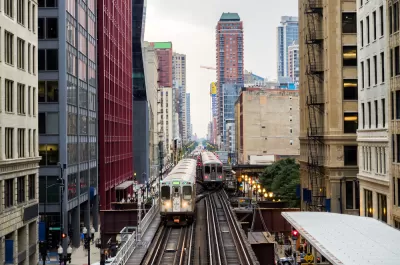
A coalition of sustainable transportation and road safety advocates in Chicago has recently formed the Safe Streets for All coalition, which hopes to bring together their collective power to influence local policy. As Sharon Hoyer reports in Streetsblog Chicago, “Together, the coalition members created a platform that envisions how better roadway design and maintenance, revised traffic laws, state-level reform, and investment in transit can create a safer and more efficient Chicago transportation system.”
The group is focused on two major issues: “Safe Streets for All and Transit that Works.” Their platform calls for creating a network of bus-only lanes to improve the city’s bus service, lowering the default speed limit (a step other cities are taking to reduce fatal crashes), and developing a sidewalk snow clearance program to maintain passable pedestrian pathways during winter, among other platform items. The group also calls for limiting where large commercial vehicles can travel, improving compensation and schedules for transit workers, making transit stations more accessible, and accurately tracking buses and trains to make travel more predictable and efficient for users.
The coalition hopes that their “hyperlocal approach to election outreach will result in a renewed commitment by city council and the mayor to prioritize the safety and experience of people biking, walking and taking transit,” according to Rebecca Resman of Chicago Family Biking, one of the participating organizations.
Read the full story: Safe Streets for All coalition pushes for “transit that works,” hopes to influence elections

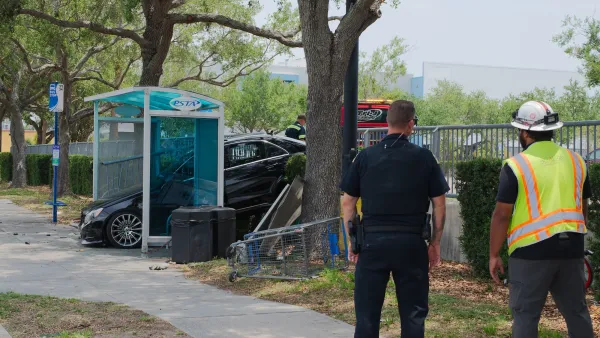
Buses are very safe. The walk to and from stations, not so much.
A disproportionate number of crashes involving pedestrians happen near transit stops.
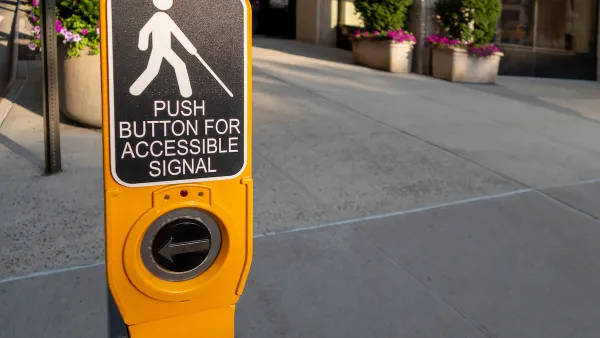
Chicago Made Hundreds of Accessibility Upgrades in 2024
The city has improved over 200 bus stops and 400 of its nearly 3,000 intersections to make them safer for people with disabilities.
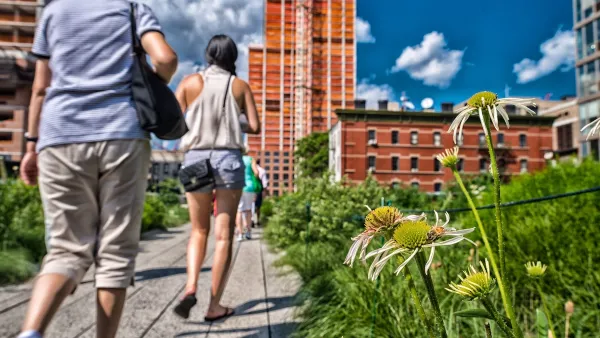
Pedestrian-Friendly Cities: The Impact of Walkability Grants
Explore how walkability grants are transforming cities into pedestrian-friendly environments, enhancing urban livability, boosting local economies, and improving public health.

Planetizen Federal Action Tracker
A weekly monitor of how Trump’s orders and actions are impacting planners and planning in America.

The state-sanctioned urbicide of Austin
People don’t kill cities. Freeways do.

Colorado’s Largest Data Center Could Rise Next to Homes — Without a Public Hearing
The proposed campus would consume 11 times the power of Denver International Airport; as it has across the country, opposition mounts.

Judges permit Denver to divert 77,000 acre feet from the Colorado River for reservoir expansion
Overuse and climate change have caused the Colorado River’s water levels to plummet.
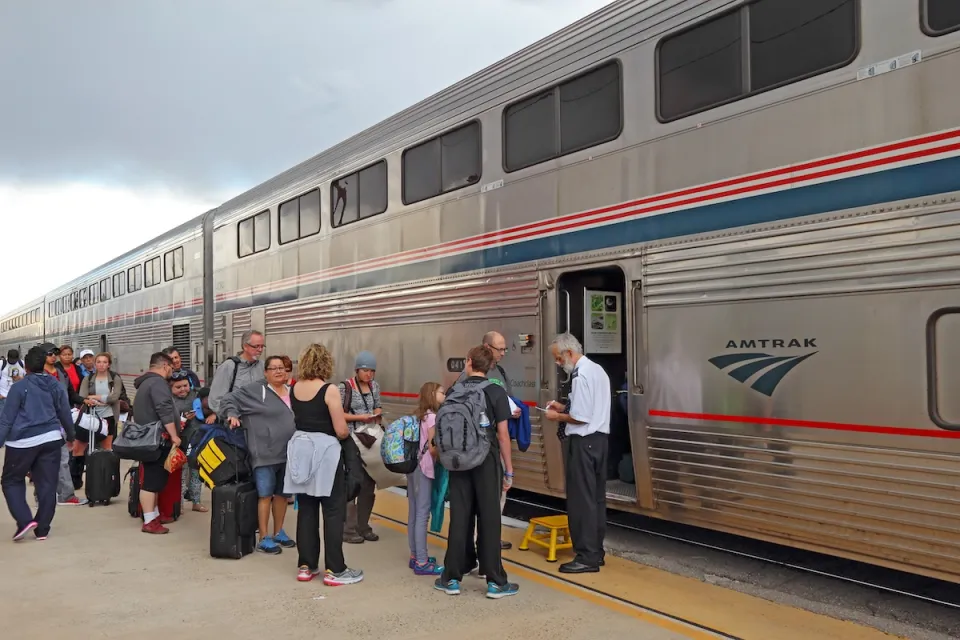
Amtrak, CN end decades-long dispute with eight-year agreement
The new operating agreement establishes an updated framework for the companies to work together, including processes to resolve disputes.
Raised interest rates may kill financially vulnerable construction projects
The chief economist at ConstructConnect warns that if construction project owners are negatively impacted by the raised rates, it could result in delayed payments to contractors.

FREE Course: Walkable City 1: Why Walkability?
After describing his path towards focusing on walkability as the essence of good planning, Jeff Speck marches through his five principal reasons for making more walkable places.
Reinventing Malls: Planning Alchemy—Turning Gray Fields Into Gold
The course focuses on the opportunities and imperatives that shape reinvention of mall sites.

KFH Group Inc.
Greater Baltimore Committee
Eagle County Government
The Architects Foundation
University of Cincinnati Online
The Pocatello Development Authority
The Urban Renewal Agency of the City of Pocatello