The city has improved over 200 bus stops and 400 of its nearly 3,000 intersections to make them safer for people with disabilities.


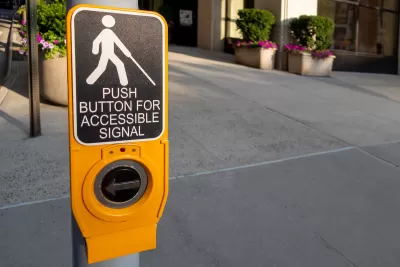
The city of Chicago make accessibility improvements to over 100 city bus stops in 2024, according to a press release from the city, bringing more of Chicago’s infrastructure into compliance with the Americans With Disabilities Act (ADA).
In 2023, a federal judge ruled that the city violated ADA by not doing enough to accommodate people with disabilities at intersections.
Since 2022, Chicago has made improvements at over 200 bus stops and 400 intersections. “Infrastructure improvements vary based on the existing conditions at each bus stop. At locations with grass parkways, upgrades typically involve adding concrete pads adjacent to the curb to create accessible landings. Locations with uneven or narrow landings may require more significant work, including curb adjustments or other infrastructure improvements, to ensure accessibility.”
The city has a goal to make all 145 of its rail stations fully accessible by 2038.
FULL STORY: City of Chicago Completes Accessibility Improvements at Over 100 CTA Bus Stops in 2024

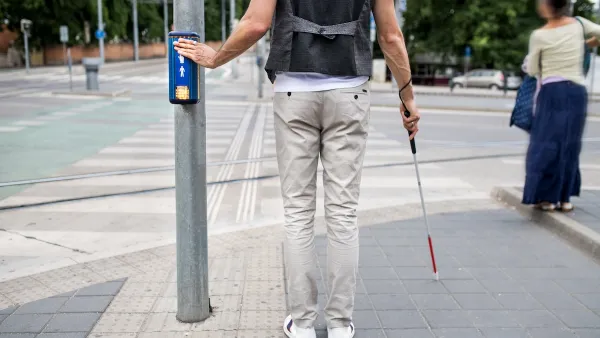
Chicago Judge Orders Thousands of Accessible Ped Signals
Only 3% of the city's crossing signals are currently accessible to blind pedestrians.
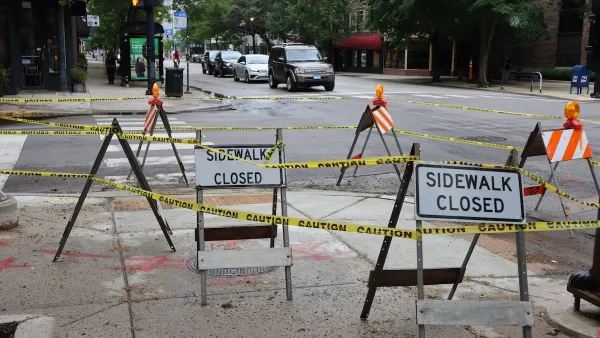
Chicago Residents Sue City Over Inaccessible Sidewalks
The suit alleges the city has failed to create a “coordinated, proactive system” for complying with ADA and ensuring accessibility on the city’s sidewalks and crosswalks.
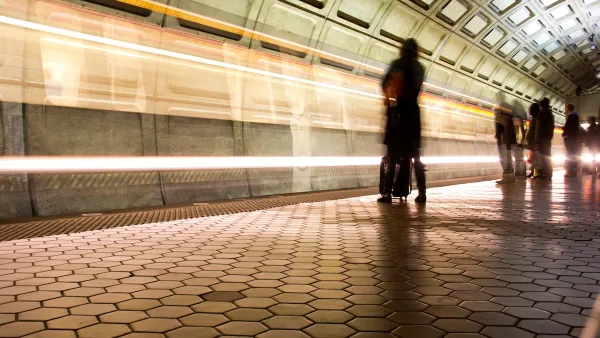
Mobile App Makes DC Transit Easy to Navigate for Visually Impaired Riders
The app gives step-by-step directions and audio and visual cues accessible from anywhere for thousands of bus stops and rail stations.

The state-sanctioned urbicide of Austin
People don’t kill cities. Freeways do.

US to reduce Colorado River water deliveries to Mexico
A new Colorado Treaty amendment reduces Mexico’s Colorado River water allocation by 250,000 acre feet.

New Jersey’s second-largest city bans standalone data centers
Jersey City will continue to allow co-location facilities, such as those meant for research institutions that store their own data.

Amtrak not solely to blame for New Jersey commuter rail's unreliability, report finds
A new study from the Garden State Initiative found that NJ Transit’s budget grew 20% across a 4 year period, but reliability declined significantly over the same period.

EPA erases limits on planet-warming pollution from power plants
Under Monday’s plan, power plants would still have some limits on how much mercury, arsenic and other contaminants they can emit.

Phoenix announces new on-demand transit service, more frequent RAPID buses
Both new services will launch in October, and are part of Phoenix's Project Effective Access Solutions for Easing Congestion.

FREE Course: Walkable City 1: Why Walkability?
After describing his path towards focusing on walkability as the essence of good planning, Jeff Speck marches through his five principal reasons for making more walkable places.
Reinventing Malls: Planning Alchemy—Turning Gray Fields Into Gold
The course focuses on the opportunities and imperatives that shape reinvention of mall sites.

Eagle County Government
Harvard University Graduate School of Design
Nashville Planning Department
The Architects Foundation
University of Cincinnati Online
The Pocatello Development Authority
The Urban Renewal Agency of the City of Pocatello
Journal of the American Planning Association