Opponents of two new planned highways in greater Toronto argue the construction of new roads is 'short-sighted at best' and would threaten the region's greenbelt areas.


Karen Longwell reports on plans to build two new highways in the Greater Toronto Area, Highway 413 and the Bradford Bypass. The projects face opposition from environmental groups who denounce the destruction of farmland and greenbelt protected areas that lay in the path of the proposed roads. "At a time when world leaders are gathered to take action against climate change, many argue that these plans seem short-sighted at best," writes Longwell.
According to Environmental Defence, "Highway 413 alone would also add over 17 million tonnes of greenhouse gas emissions by 2050, at a time when cutting emissions is more urgent than ever." Meanwhile, the government claims the new roads will alleviate traffic and reduce gridlock in the region.
Elsewhere in Toronto, the city is rehabilitating the Gardiner Expressway with plans to integrate a linear park, bike lanes, flood protection measures, and other improvements into the redesigned expressway.
FULL STORY: Ontario plans two new highways but people hate where they will be located

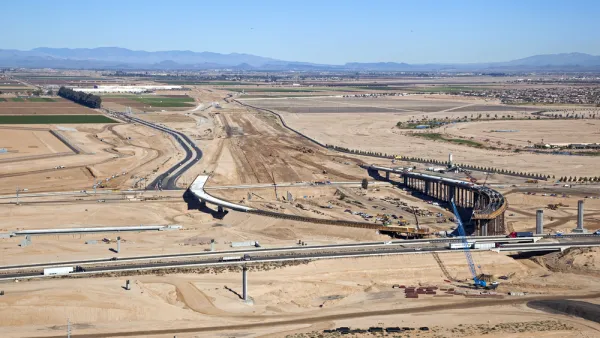
Infrastructure Funding Could Lead to Higher Carbon Emissions
Billions in federal infrastructure funding slated to go to states with few strings attached could fund roadway construction and widening projects that will raise greenhouse gas emissions and worsen climate change.
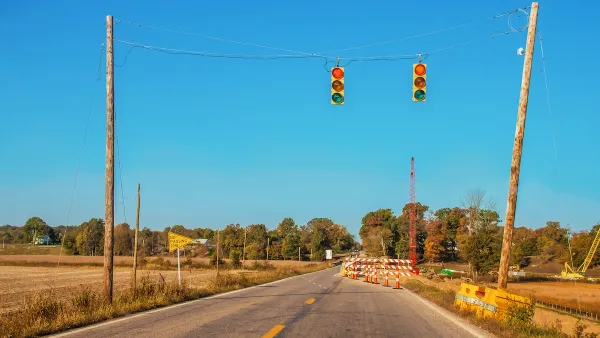
Report: Some Rural States Ahead of More Urbanized Ones in Reducing Transportation Emissions
This is a largely unintended consequence of states with lower populations and resources focusing on repairing existing roads and infrastructure rather than expanding and building new roads.
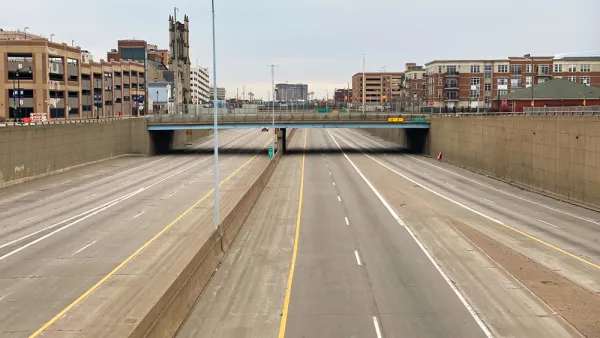
How Policymakers Are Grappling With the Racist Legacy of Urban Freeways
In Michigan, the state's Department of Transportation is looking for ways to mitigate the damage caused by decades of urban renewal policies and reconnect neighborhoods cut off from amenities and opportunities by highway projects.

The state-sanctioned urbicide of Austin
People don’t kill cities. Freeways do.

US to reduce Colorado River water deliveries to Mexico
A new Colorado Treaty amendment reduces Mexico’s Colorado River water allocation by 250,000 acre feet.

New Jersey’s second-largest city bans standalone data centers
Jersey City will continue to allow co-location facilities, such as those meant for research institutions that store their own data.

Amtrak not solely to blame for New Jersey commuter rail's unreliability, report finds
A new study from the Garden State Initiative found that NJ Transit’s budget grew 20% across a 4 year period, but reliability declined significantly over the same period.

EPA erases limits on planet-warming pollution from power plants
Under Monday’s plan, power plants would still have some limits on how much mercury, arsenic and other contaminants they can emit.

Phoenix announces new on-demand transit service, more frequent RAPID buses
Both new services will launch in October, and are part of Phoenix's Project Effective Access Solutions for Easing Congestion.

FREE Course: Walkable City 1: Why Walkability?
After describing his path towards focusing on walkability as the essence of good planning, Jeff Speck marches through his five principal reasons for making more walkable places.
Reinventing Malls: Planning Alchemy—Turning Gray Fields Into Gold
The course focuses on the opportunities and imperatives that shape reinvention of mall sites.


Eagle County Government
Harvard University Graduate School of Design
Nashville Planning Department
The Architects Foundation
University of Cincinnati Online
The Pocatello Development Authority
The Urban Renewal Agency of the City of Pocatello
Journal of the American Planning Association