From the same website that brought us the "Parking Crater Award" and the "Sorriest Bus Stops in America."


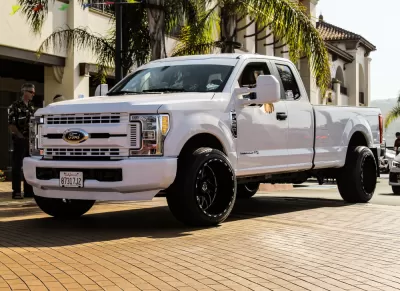
Kea Wilson announces a new contest of ignominy underway at Streetsblog: "America’s Most Toxic Car Commercial."
Last week, Streetsblog the new March madness-style bracket contest, "where you’ll have a chance to pick which ad deserves this year’s Most Toxic Car Commercial title." Wilson promises that Streetsblog will "dive deep into how this industry glorifies reckless driving, knowingly fuels our pedestrian death crisis, and often glosses over the climate impact of the dirtiest (and, critically, most profitable) cars around — as well as a few thoughts from advocates on what we should do about it all."
For years now, Streetsblog has been documenting the wort abuses of car-centric excess with similarly formatted contests the "Sorriest Bus Stops" and "Parking Madness." The "America’s Most Toxic Car Commercial" contest shifts the focus of these contests from the built environment to the cultural influences that create the demand for automobile dominance.
The article announcing the new context calls for submissions via a Survey on Google Forms, as well as a hashtag, #ToxicCarAds (be sure to tag @StreetsblogUSA), for submissions via social media.
As for the criteria for a car commercial to be deemed toxic, Wilson writes: "the submission should highlight something violent, aggressive, dangerous, disturbing, or otherwise corrosive about U.S. car culture, specifically."
In keeping with Streetblog's promise to do a deep dive into toxic ads, Tom Flood has already written an opinion piece digging into 'Muscle-Car Mayhem' for Streetsblog NYC, focusing specifically on the carnage caused drivers using Dodge Chargers to do exactly what the cares were designed to do: race.
Read the full story: Send Us Nominees For the Most Toxic Car Ad!

Ted Cruz Blames Safety Features for the Rising Cost of Cars; Senate Could Roll Back Regulations
A Senate committee will hear testimony by automakers in a hearing that could determine whether autonomous emergency braking and other safety features will be mandatory on new cars.

Car Culture Kills. Motornormativity Explains Why.
From “car accidents” to “traffic violence,” language shapes perception — and policy. When it comes to the words we use, let’s put the power with the people.

Blinded by the Light: When Brighter Headlights Decrease Safety
Bright LED headlights can create glare and reduce visibility for other drivers and pedestrians.

Planetizen Federal Action Tracker
A weekly monitor of how Trump’s orders and actions are impacting planners and planning in America.

California plans to bury El Niño’s downpour
If the state plays its cards right, it may be able to store a billion acre-feet of El Niño’s water in aquifers.

Desperate measures: Advocates weigh draining Lake Powell to fill Colorado River
Draining the reservoir could reduce evaporation losses by a couple hundred thousand acre-feet.

Chicago voters approve permanent festival grounds, penalty for vacant property owners
Currently, major summer and fall festivals take over public parks for weeks at a time, drawing criticism from nearby residents

NYC votes to cut outdoor dining red tape, speed up permitting
New York City also voted to allow the Department of Transportation to begin work on urgent projects before notifying elected officials.

California appears to reject Prop. 45
The proposition would have expanded the projects that qualify for a streamlined environmental review, effectively paring down the California Environmental Quality Act.

FREE Course: Walkable City 1: Why Walkability?
After describing his path towards focusing on walkability as the essence of good planning, Jeff Speck marches through his five principal reasons for making more walkable places.
Reinventing Malls: Planning Alchemy—Turning Gray Fields Into Gold
The course focuses on the opportunities and imperatives that shape reinvention of mall sites.

City of Rosemead
Rutgers University, Edward J. Bloustein School of Planning and Public Policy
One Hundred Miles
Hunter College, City University of New York (CUNY)
The Architects Foundation
University of Cincinnati Online
City of Cambridge
Montrose County
The Pocatello Development Authority