Without a standard for recording and classifying heat-related deaths, experts believe the scale of the problem is much bigger than numbers let on.



As this summer's heat waves showed, extreme weather can take a deadly–and costly–toll on communities and infrastructure not prepared to handle rising temperatures. As Chloe Jones and Cresencio Rodriguez-Delgado write, "[h]eat-related deaths are a growing concern for anyone exposed to the elements for long periods of time, or whose health conditions or age make them particularly at-risk in extreme weather conditions, as climate change intensifies temperatures." However, "[t]here isn’t a standard in how to record, count or classify" heat deaths, making it difficult to understand the scope of the problem.
"Deaths from the heat are not always reported as such and experts say many are undercounted or misclassified." Medically, "[t]he only way to accurately know whether someone died of heat or if their death was related to heat is if their body temperature is taken right before or immediately after their death." For people like farm workers, who are twenty times more likely to die from heat stress than other occupations, "[i]t is nearly impossible to understand the gravity and impact heat has on deaths, especially for people who work outdoors, without accurate data."
"If the scale of the problem isn’t known, it is difficult to roll out effective mitigation measures. Accurate data would potentially be able to push states and local jurisdictions toward addressing heat-related deaths more head-on, especially as temperatures continue to rise with climate change."
Read the full story: We don’t know exactly how many people are dying from heat — here’s why


California Faces Intense Heat Wave, Power Shutoffs
The state is bracing for a heat dome that will bring temperatures into the 120s and little nighttime relief.

Extreme Heat’s Far-Reaching Impacts
Heat is associated with worsened mental health, poorer test scores, and even higher car crash rates.
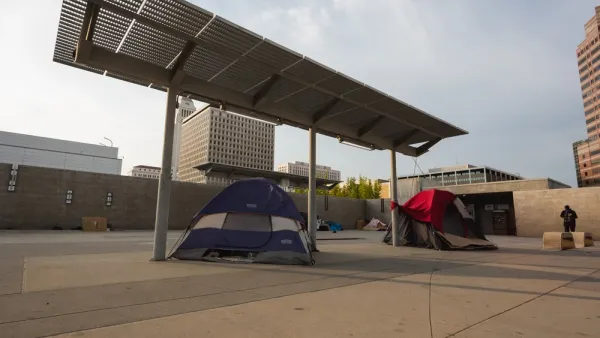
Extreme Heat Responsible for Growing Death Rates Among Unhoused People
Extreme heat events like the ‘heat dome’ that baked Southern California last summer kill a disproportionate number of people experiencing homelessness, who have fewer resources to protect themselves from the scorching sun.

Planetizen Federal Action Tracker
A weekly monitor of how Trump’s orders and actions are impacting planners and planning in America.

Amtrak, CN end decades-long dispute with eight-year agreement
The new operating agreement establishes an updated framework for the companies to work together, including processes to resolve disputes.

Northwest rail fans eager for Sept. 30 debut of Amtrak’s Airo fleet
Get ready for that new train smell and more seats. But they won’t go faster or run more frequently on the Cascades route in Washington and Oregon.

LAX SkyLink opening delayed again, contractor won’t commit to new deadline
The project was supposed to open its doors to the public in 2023.

Caltrain may slash over one-third of its stations
If Bay Area voters reject two transit tax measures, Caltrain, BART and AC Transit will see steep service cuts.

A 'dangerous' precedent: North Carolina successfully pressures communities into voting for toll roads
Two mayors resigned from the Charlotte Regional Transportation Planning Organization after it voted in favor of the toll roads.

FREE Course: Walkable City 1: Why Walkability?
After describing his path towards focusing on walkability as the essence of good planning, Jeff Speck marches through his five principal reasons for making more walkable places.
Reinventing Malls: Planning Alchemy—Turning Gray Fields Into Gold
The course focuses on the opportunities and imperatives that shape reinvention of mall sites.

City of Thousand Oaks
City of Wisconsin Rapids
Harvard University Graduate School of Design
The Architects Foundation
University of Cincinnati Online
The Pocatello Development Authority
The Urban Renewal Agency of the City of Pocatello