Dangerous behaviors picked up during the early, low-traffic days of the pandemic are partly to blame.


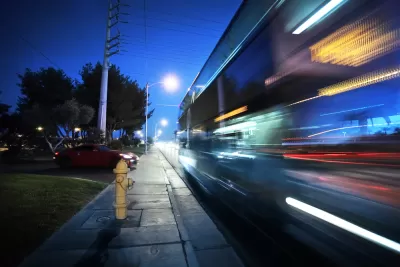
Despite pandemic-induced reductions in driving last year, traffic deaths in the United States rose 4.6% during the first nine months of 2020. "The National Highway Traffic Safety Administration estimates that 28,190 people died in traffic crashes from January through September of last year, up from 26,941 in the same period of 2019."
With fewer vehicles on the road, some drivers engaged in more dangerous behavior—and are continuing to do so even as traffic starts to return to pre-pandemic levels. Traffic deaths fell slightly in the second quarter, then spiked by 13.1% in the third. Jonathan Adkins, executive director of the Governors Highway Safety Association, speculates that speeding is the main culprit. "Early in the pandemic, drivers found open roads and drove faster. The behavior continued even as traffic volumes recovered." Intoxicated driving and fewer people wearing seatbelts also play a role in the increased deaths.
FULL STORY: Risky driving: US traffic deaths up despite virus lockdowns

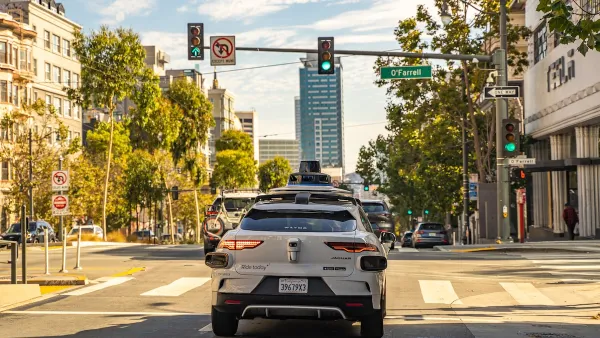
NHTSA Cuts Could Make Roads More Dangerous
The agency is losing almost half of the team that oversees autonomous vehicle safety, among dozens of other key personnel.
Traffic Deaths Rise in New York State, Despite Fewer Crashes
Traffic fatality rates have spiked in New York State since the pandemic, with speeding and drunk driving among the biggest catalysts.
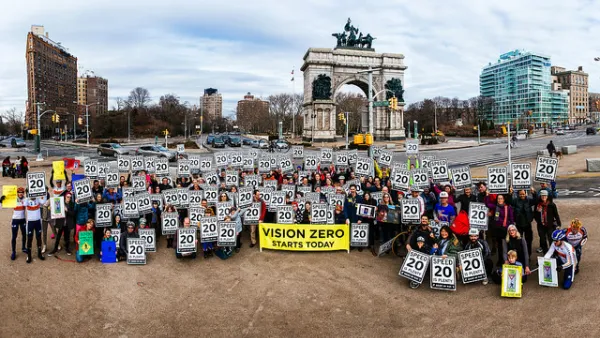
Traffic Fatalities Set Records as Pandemic-Era Road Carnage Shows No Signs of Stopping
An estimated 42,915 people died in automobile crashes in 2021, according to recent federal data. The increasing fatalities continue a trend that began with the outset of the pandemic.

The state-sanctioned urbicide of Austin
People don’t kill cities. Freeways do.

US to reduce Colorado River water deliveries to Mexico
A new Colorado Treaty amendment reduces Mexico’s Colorado River water allocation by 250,000 acre feet.

New Jersey’s second-largest city bans standalone data centers
Jersey City will continue to allow co-location facilities, such as those meant for research institutions that store their own data.

Amtrak not solely to blame for New Jersey commuter rail's unreliability, report finds
A new study from the Garden State Initiative found that NJ Transit’s budget grew 20% across a 4 year period, but reliability declined significantly over the same period.

EPA erases limits on planet-warming pollution from power plants
Under Monday’s plan, power plants would still have some limits on how much mercury, arsenic and other contaminants they can emit.

Phoenix announces new on-demand transit service, more frequent RAPID buses
Both new services will launch in October, and are part of Phoenix's Project Effective Access Solutions for Easing Congestion.

FREE Course: Walkable City 1: Why Walkability?
After describing his path towards focusing on walkability as the essence of good planning, Jeff Speck marches through his five principal reasons for making more walkable places.
Reinventing Malls: Planning Alchemy—Turning Gray Fields Into Gold
The course focuses on the opportunities and imperatives that shape reinvention of mall sites.

Eagle County Government
Harvard University Graduate School of Design
Nashville Planning Department
The Architects Foundation
University of Cincinnati Online
The Pocatello Development Authority
The Urban Renewal Agency of the City of Pocatello
Journal of the American Planning Association