New zoning controls would make it harder to convert multi-unit residential buildings into single-family homes to prevent displacement in single-family neighborhoods in Chicago.



Alex Nitkin reports that planning and housing officials in the city of Chicago "are looking to introduce an ordinance this month to make it harder to convert some small apartment buildings into single-family homes, a process blamed for the loss of affordable housing in gentrifying areas."
"[T]he ordinance will require property owners to apply for a zoning change before converting two- to six-unit apartment buildings into single-family homes in some multifamily residential zones," reports Nitkin.
According to the article, the new ordinance is targeted specifically at the Pilsen neighborhood and the area around the Bloomingdale Trail, née The 606. By making it more difficult to convert multi-family housing to single-family homes, the ordinance is designed to reduce displacement and maintain the current character of the neighborhood, according to a statement from the Chicago Department of Housing.
There are more details to consider:
In single-family zoning districts in the 606 area, the ordinance would only allow the construction of single-family homes on blocks where detached homes make up the majority of buildings, officials said. In Pilsen, the ordinance would block new single-family homes in RT-4 and RM zoning districts, pushing developers to seek zoning changes.
Additional statements from city officials, including Patrick Murphey, zoning administrator for the Chicago Department of Planning and Development, and additional geographic detail of the ordinance are available in the source article.


Mapping Chicago's Zoning Code Changes
A new interactive map feature launched by the Chicago Cityscape website maps all the zoning changes up for approval around the city.
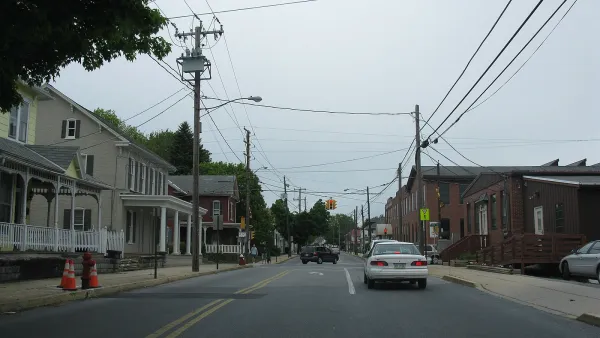
A Small Town Makes its First Zoning Update Since 1997
Mixed-use development and a floodplain overlay are the big-ticket items when the small community of Akron Borough in Pennsylvania recently updated its zoning code.

Development Streamlining Proposal Dies in San Francisco
The doomed effort was Mayor London Breed's third attempt to streamline development in the city.

The state-sanctioned urbicide of Austin
People don’t kill cities. Freeways do.

US to reduce Colorado River water deliveries to Mexico
A new Colorado Treaty amendment reduces Mexico’s Colorado River water allocation by 250,000 acre feet.

New Jersey’s second-largest city bans standalone data centers
Jersey City will continue to allow co-location facilities, such as those meant for research institutions that store their own data.

Amtrak not solely to blame for New Jersey commuter rail's unreliability, report finds
A new study from the Garden State Initiative found that NJ Transit’s budget grew 20% across a 4 year period, but reliability declined significantly over the same period.

EPA erases limits on planet-warming pollution from power plants
Under Monday’s plan, power plants would still have some limits on how much mercury, arsenic and other contaminants they can emit.

Phoenix announces new on-demand transit service, more frequent RAPID buses
Both new services will launch in October, and are part of Phoenix's Project Effective Access Solutions for Easing Congestion.

FREE Course: Walkable City 1: Why Walkability?
After describing his path towards focusing on walkability as the essence of good planning, Jeff Speck marches through his five principal reasons for making more walkable places.
Reinventing Malls: Planning Alchemy—Turning Gray Fields Into Gold
The course focuses on the opportunities and imperatives that shape reinvention of mall sites.

Eagle County Government
Harvard University Graduate School of Design
Nashville Planning Department
The Architects Foundation
University of Cincinnati Online
The Pocatello Development Authority
The Urban Renewal Agency of the City of Pocatello
Journal of the American Planning Association