California has traditionally granted environmental exemptions to large projects like football stadiums, a practice criticized by environmentalists and urbanists alike. SB 288 would change that, with exemptions for sustainable transportation projects.


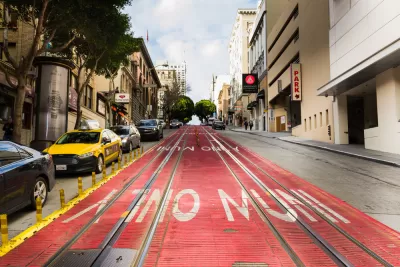
"Transportation projects focused on public transit, bikes and pedestrians — but not cars — would get fast-tracked for construction under a bill Sen. Scott Wiener, D-San Francisco," reports Carolyn Said.
State Senator Wiener's goals for the legislation are to stimulate the economy by prioritizing sustainable transportation.
Senate Bill 288, named the Sustainable Transportation COVID-19 Recovery Act, would exempt transportation projects deemed sustainable from challenges under the California Environmental Quality Act (CEQA), explains Said. "Projects must pass certain criteria to win the bill’s CEQA exemptions. They must be located on public rights of way in areas that are already urbanized. If they are large, they must be part of a regional transportation plan."
One kind of private project would also gain the benefits the law would confer on public transit and alternative transportation projects: publicly accessible electric-vehicle charging stations.
Said mentions specific, ongoing projects that would stand to benefit if the legislation is approved.
FULL STORY: Proposed California law would fast-track environmentally sustainable transit


Streetcar Connection to the Beltline Could Benefit From Federal Funding
Flush with federal stimulus cash and angling for more, planners in Atlanta will explore alignment for a potential rail transit connection to the Beltline.
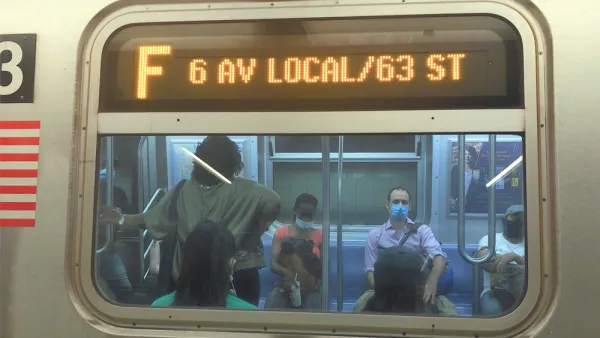
What's in the New Economic Stimulus Package for U.S. Transit Agencies
A new economic stimulus package that appears headed for approval as of this writing will give $15 billion to public transit, far less than transit advocates had hoped, but far better than nothing.
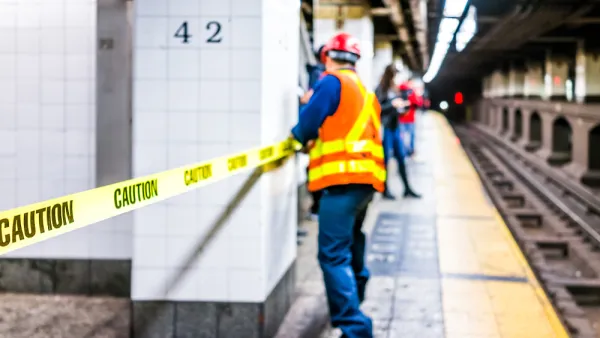
New York, Boston Transit Agencies Back Off Proposed Cuts
News of a potential economic stimulus package in Congress is followed by news that two of the nation's most prominent transit systems are reducing cuts proposed to address plummeting revenues.

The state-sanctioned urbicide of Austin
People don’t kill cities. Freeways do.

US to reduce Colorado River water deliveries to Mexico
A new Colorado Treaty amendment reduces Mexico’s Colorado River water allocation by 250,000 acre feet.

New Jersey’s second-largest city bans standalone data centers
Jersey City will continue to allow co-location facilities, such as those meant for research institutions that store their own data.

Amtrak not solely to blame for New Jersey commuter rail's unreliability, report finds
A new study from the Garden State Initiative found that NJ Transit’s budget grew 20% across a 4 year period, but reliability declined significantly over the same period.

EPA erases limits on planet-warming pollution from power plants
Under Monday’s plan, power plants would still have some limits on how much mercury, arsenic and other contaminants they can emit.

Phoenix announces new on-demand transit service, more frequent RAPID buses
Both new services will launch in October, and are part of Phoenix's Project Effective Access Solutions for Easing Congestion.

FREE Course: Walkable City 1: Why Walkability?
After describing his path towards focusing on walkability as the essence of good planning, Jeff Speck marches through his five principal reasons for making more walkable places.
Reinventing Malls: Planning Alchemy—Turning Gray Fields Into Gold
The course focuses on the opportunities and imperatives that shape reinvention of mall sites.

Eagle County Government
Harvard University Graduate School of Design
Nashville Planning Department
The Architects Foundation
University of Cincinnati Online
The Pocatello Development Authority
The Urban Renewal Agency of the City of Pocatello
Journal of the American Planning Association