Transportation activity is down considerably, but other sources of carbon dioxide are still going strong.


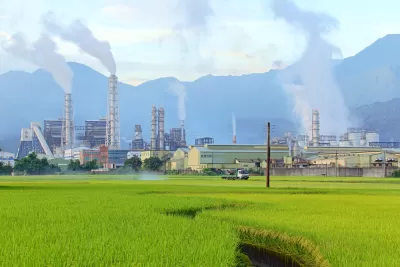
"Even with the global economy at a near-standstill, the best analysis suggests that the world is still on track to release 95 percent of the carbon dioxide emitted in a typical year, continuing to heat up the planet and driving climate change even as we’re stuck at home," writes Shannon Osaka.
Osaka considers why a decline of only 5.5 percent in carbon emissions would result from such a drastic decline in transportation activities. The primary reason is that 20 percent of emissions are related to transportation, and the levels of emissions from other sources have not decreased.
For example, 40 percent of global carbon dioxide emissions come from electricity and heating. Another 20 percent comes from manufacturing, construction, and other industries. Emissions levels from both sources have remained steady.
"It’s worth remembering that a dip in carbon emissions won’t lead to any changes in the Earth’s warming trend. Some scientists compare carbon dioxide in the atmosphere to water flowing into a leaky bathtub. The lockdown has turned the tap down, not off. Until we cut emissions to net-zero — so that emissions flowing into the atmosphere are equivalent to those flowing out — the Earth will continue warming," says Osaka.
Read the full story: The world is on lockdown. So where are all the carbon emissions coming from?

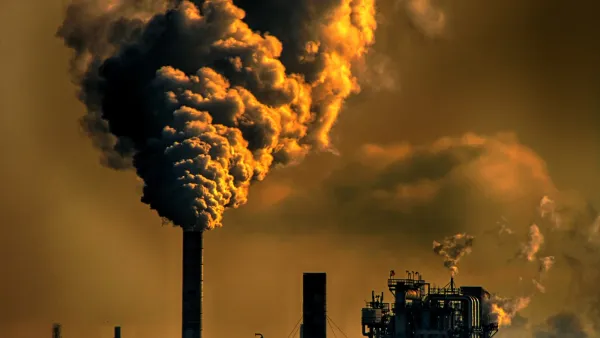
The Post-Pandemic Economy Could Be Dirtier Than Ever
The environmental gains at the beginning of the pandemic were only temporary., and there are signs more signs every day that the economy will be dirtier than ever in the future.
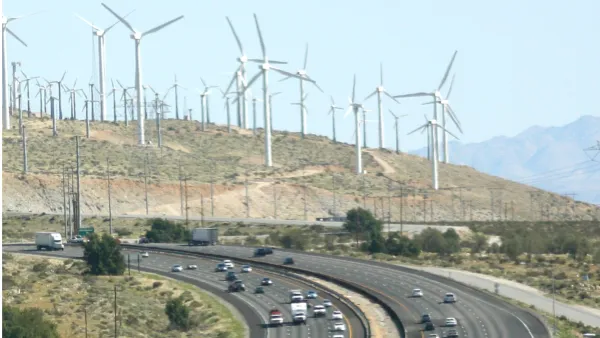
Can Emissions Reductions Last Beyond the Pandemic?
The dramatic reductions in carbon emissions during the last year only highlight how drastically humans must change behavior to meet climate goals.
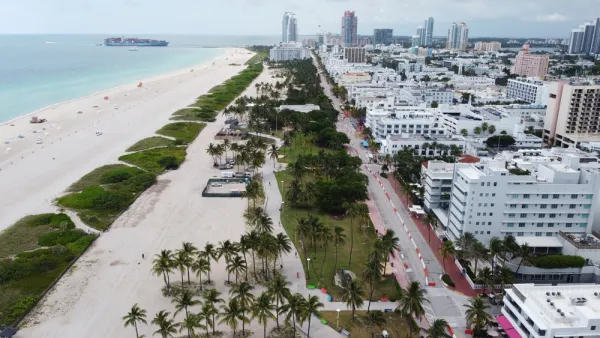
The Cost of COVID Carbon Reduction: $3,200-$5,400 a Ton
The short-term environmental effects of the pandemic economic downturn are clear in the amount of carbon emissions that have been removed from the economy. The long-term effects, however, are subject to a number of contingencies.

Planetizen Federal Action Tracker
A weekly monitor of how Trump’s orders and actions are impacting planners and planning in America.

Northwest rail fans eager for Sept. 30 debut of Amtrak’s Airo fleet
Get ready for that new train smell and more seats. But they won’t go faster or run more frequently on the Cascades route in Washington and Oregon.
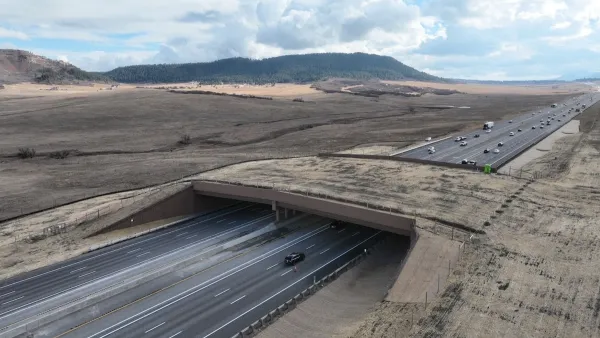
Record-breaking wildlife overpass in Colorado brings 91% reduction in animal collisions
Prior to the overpass, vehicles were hitting one deer per day on Colorado’s Interstate 25.

Detroit to transform waterfront with $2.2 billion investment
Developers will convert about 18 acres of unused parking lot space into civic spaces.

‘Going backwards:’ Baltimore mayor, students rally against state's transit funding plan
Maryland's proposed six-year plan provides no funding for Baltimore’s BMORE bus program and reduces its road maintenance funding.

Trump wants to cancel nearly 98% of funding for HUD housing support program
Multiple housing groups are suing the administration in an effort to preserve the funding.

FREE Course: Walkable City 1: Why Walkability?
After describing his path towards focusing on walkability as the essence of good planning, Jeff Speck marches through his five principal reasons for making more walkable places.
Reinventing Malls: Planning Alchemy—Turning Gray Fields Into Gold
The course focuses on the opportunities and imperatives that shape reinvention of mall sites.

City of Thousand Oaks
City of Wisconsin Rapids
Harvard University Graduate School of Design
The Architects Foundation
University of Cincinnati Online
Northern Illinois Transit Authority (NITA)
The Pocatello Development Authority
The Urban Renewal Agency of the City of Pocatello