Much of the state political leadership in Texas has been slow to accept the existence of climate change, much less the role of the state's economy, land use, and infrastructure planning in exacerbating the crisis. Maybe this will help wake them up?


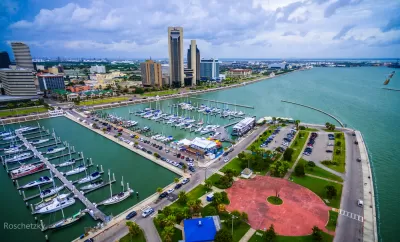
Fares Sabawi deployed Climate Central's Google Earth plug-in map to visualize the effect of sea-level rise on the Texas coast, and found bad news for Corpus Christi.
Using data from the National Oceanic and Atmospheric Agency, the Google Earth visualization shows vast portions of Corpus Christi under water at the worst-case scenario of eight feet of sea level rise by 2100.
"In Corpus Christi, much of downtown and North Beach would be submerged, according to the data. Landmarks like the Selena Memorial Statue, Heritage Park and the Texas State Aquarium would essentially be underwater," according to Sabawi.
A slideshow preceding the article, showing similarly catastrophic effects for other coastal cities in Texas, is the star of the post.
Read the full story: Selena statue in Corpus Christi will be under water by 2100, according to water level simulator

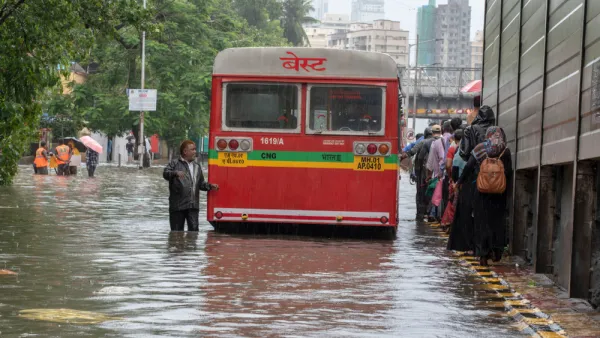
Sea-Level Rise Would Be Worse for Coastal Cities Than Previously Thought
A new model for expected sea-level rise raises alarms about the need to adapt to sea-level rise in coastal cities all over the world.
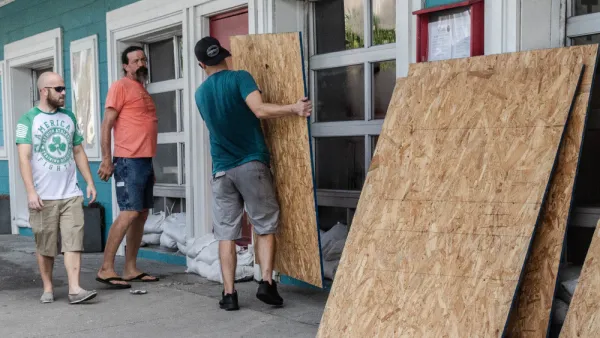
Don't Blame Climate Change for Hurricane Florence
But you can blame climate change for 6 inches of storm surge resulting from sea level rise. Florence made landfall near Wilmington, North Carolina on Friday as a Category 1 storm with wind speeds of 90 mph.
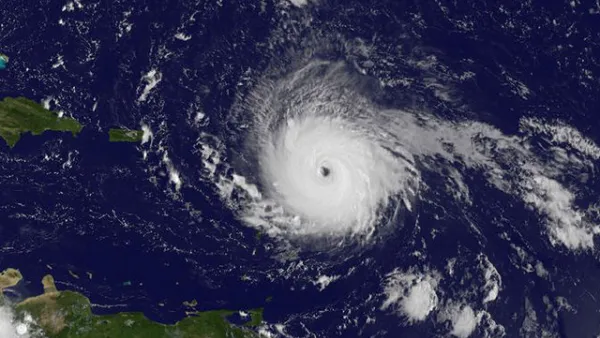
Climate Negligence in Florida?
In advance of Hurricane Irma's landfall in Florida, Governor Rick Scott worked non-stop urging residents to leave mandatory evacuation zones. But what has he done to prepare since he took office in 2011?

Planetizen Federal Action Tracker
A weekly monitor of how Trump’s orders and actions are impacting planners and planning in America.

The state-sanctioned urbicide of Austin
People don’t kill cities. Freeways do.

Colorado’s Largest Data Center Could Rise Next to Homes — Without a Public Hearing
The proposed campus would consume 11 times the power of Denver International Airport; as it has across the country, opposition mounts.
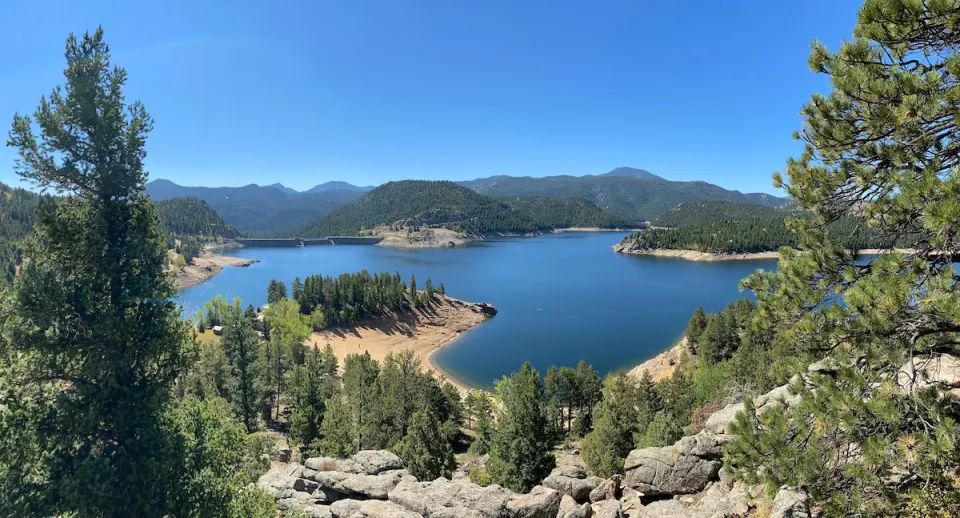
Judges permit Denver to divert 77,000 acre feet from the Colorado River for reservoir expansion
Overuse and climate change have caused the Colorado River’s water levels to plummet.
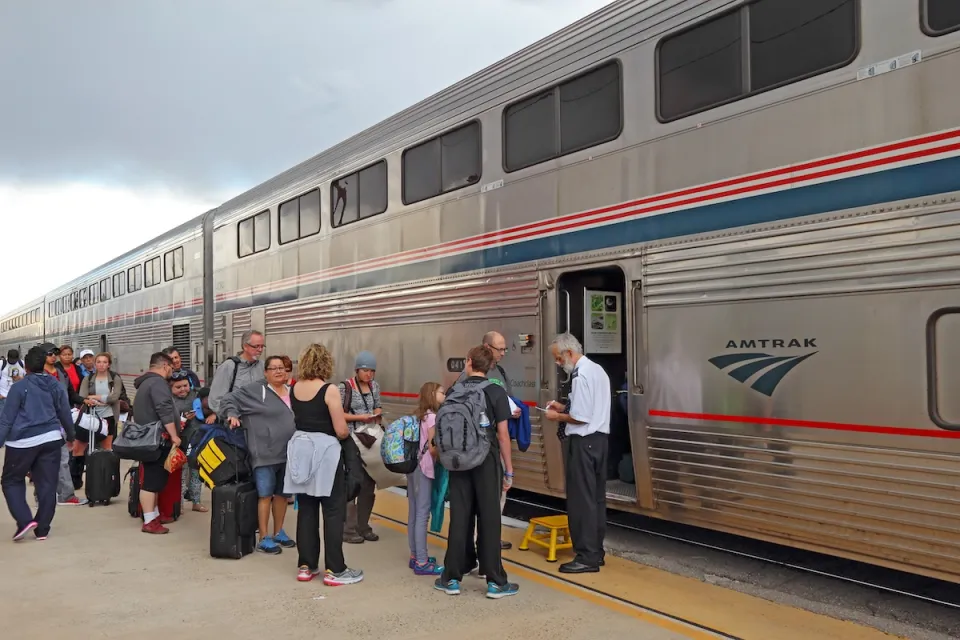
Amtrak, CN end decades-long dispute with eight-year agreement
The new operating agreement establishes an updated framework for the companies to work together, including processes to resolve disputes.
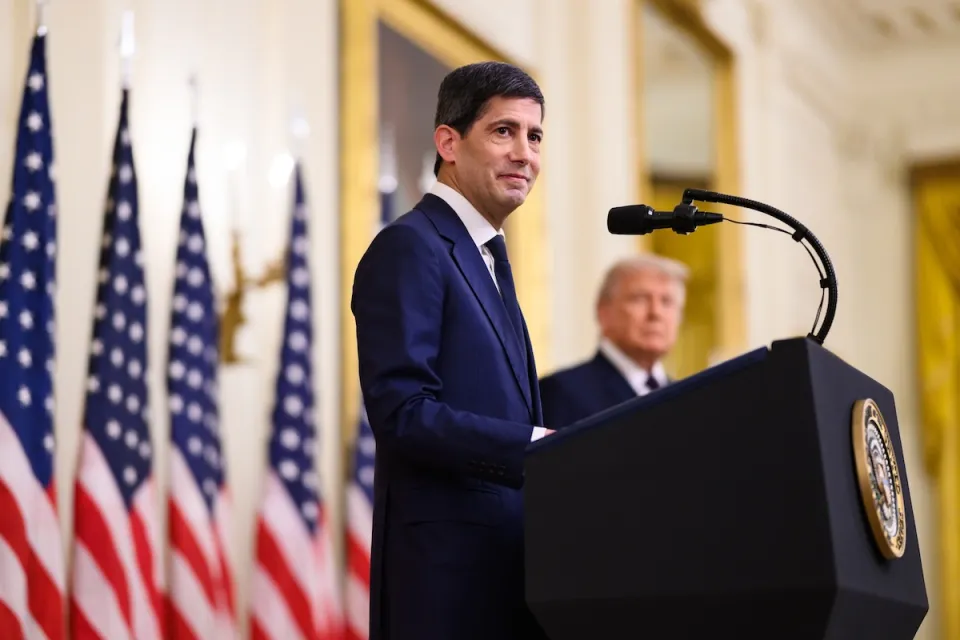
Raised interest rates may kill financially vulnerable construction projects
The chief economist at ConstructConnect warns that if construction project owners are negatively impacted by the raised rates, it could result in delayed payments to contractors.

FREE Course: Walkable City 1: Why Walkability?
After describing his path towards focusing on walkability as the essence of good planning, Jeff Speck marches through his five principal reasons for making more walkable places.
Reinventing Malls: Planning Alchemy—Turning Gray Fields Into Gold
The course focuses on the opportunities and imperatives that shape reinvention of mall sites.

Greater Baltimore Committee
Eagle County Government
Harvard University Graduate School of Design
The Architects Foundation
University of Cincinnati Online
The Pocatello Development Authority
The Urban Renewal Agency of the City of Pocatello
Journal of the American Planning Association