The city of Seattle is the largest jurisdiction in the state of Washington that passes on its legal opportunity to implement a transportation impact fee on new development.


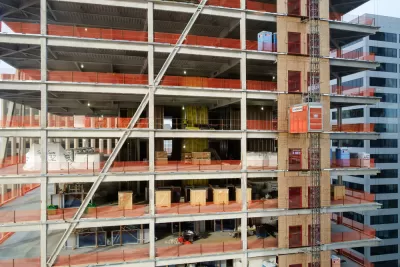
The city of Seattle is considering adding a new transportation impact fee on new development, according to an article by Stephen Fesler. The prospect of a transportation impact fee, which is used in some cities to generate capital funding for transportation infrastructure projects, has languished in the city for years, according to Fesler, but a year's worth of activity on the front could mean a change is on the horizon.
Still, there is a lot of work to be done before the city can begin implementing a new impact fee. "Any impact fee program will need to involve a proper rate study to determine the kind of transportation demands that specific land use types generate," explains Fesler. "Once the rate study is completed, the city could go through the process of compiling an actual fee schedule based upon several considerations: use type and transportation demand, cost of capital improvement project list, geographic location, and other relevant policy issues."
Read the full story: Seattle Explores Transportation Impact Fees

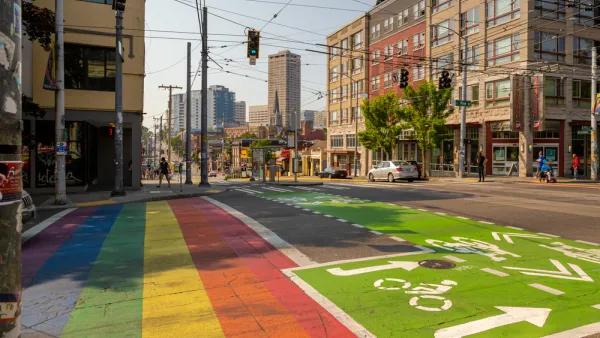
Poorly Timed Arrival for Seattle’s Long-Awaited Transportation Fee
A proposed transportation impact fee, years in the making, is stirring a controversy at a time of declining permitting and construction activity in the city of Seattle.
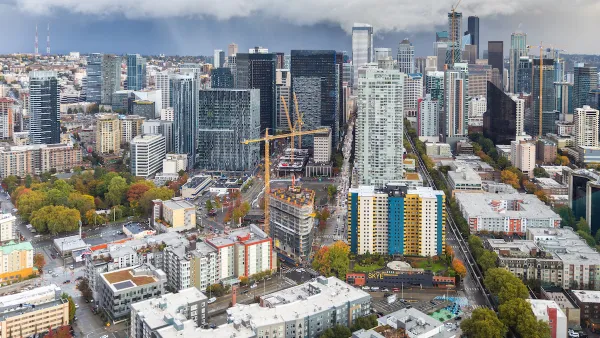
Seattle Council Rejects Transportation Impact Fee
Councilmembers who opposed the proposal say the fee would have slowed housing development and raised housing costs.
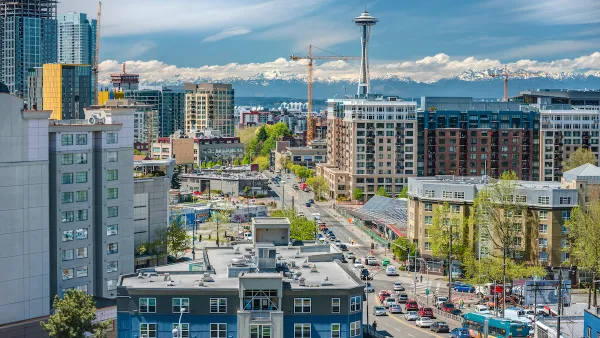
Transportation Impact Fee Proposal Resurfaces in Seattle
Charging developers for improving local infrastructure impacted by their projects could boost transportation revenue, but permit applications in the city are slowing down.

Planetizen Federal Action Tracker
A weekly monitor of how Trump’s orders and actions are impacting planners and planning in America.

California plans to bury El Niño’s downpour
If the state plays its cards right, it may be able to store a billion acre-feet of El Niño’s water in aquifers.

Chicago breaks ground on $3 billion megadevelopment
The new neighborhood, titled Foundry Park, will one day host 3,700 residences.

Satanic Place Names
From streams and lakes to valleys and canyons, I mapped more than 1,000 places named after the Devil.

California High-Speed Rail Authority CEO resigns after $600,000 scandal
Under Ian Choudri, the authority used taxpayer dollars to fund first class flights and trips to nightclubs.

Want to study the Missouri River? Soon, you may need unanimous approval from 10 states
Legislation would require 10 governors’ permission to study or build projects moving water outside the basin.

FREE Course: Walkable City 1: Why Walkability?
After describing his path towards focusing on walkability as the essence of good planning, Jeff Speck marches through his five principal reasons for making more walkable places.
Reinventing Malls: Planning Alchemy—Turning Gray Fields Into Gold
The course focuses on the opportunities and imperatives that shape reinvention of mall sites.

City of Rosemead
Rutgers University, Edward J. Bloustein School of Planning and Public Policy
One Hundred Miles
Hunter College, City University of New York (CUNY)
The Architects Foundation
University of Cincinnati Online
City of Cambridge
Montrose County
The Pocatello Development Authority