The Federal Transit Administration is still holding much of the funding promised by Congress since 2017. It's unlikely that anyone likely to vote for Trump again in 2020 is losing any sleep over money not spent on public transit infrastructure.



"Congress has allocated about $4 billion for new transit projects since 2017. But the federal Department of Transportation has handed out just 30 percent of the available funds. About $2.7 billion remains to be distributed to more than two dozen cities that are expecting grants," according to Schmitt.
This isn't the first time transit advocates, led by Transportation for America, have raised alarms about the federal government's reluctance to disburse promised transit funds. Transportation for America launched a countdown clock in August 2018 to track missing transit funds, and some promised funding began to make its way to local and state agencies late in the year—significantly later than the tardy bell.
The Federal Transit Administration (FTA), is "failing to administer the grant program in good faith and in a timely fashion," according to a statement by Transportation for America reported by Schmitt.
Still unresolved, according to Schmitt: whether the delays are driven by ideology or dysfunction.
FULL STORY: Trump Administration Continues Funny Business with Transit Funding

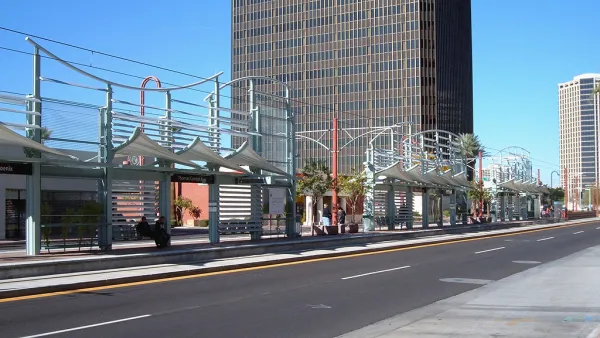
$544 Million in Transit Capital Investment Funding Announced
The latest round of funding for the Federal Transit Administration's Capital Investment Grant funding program was announced this week.
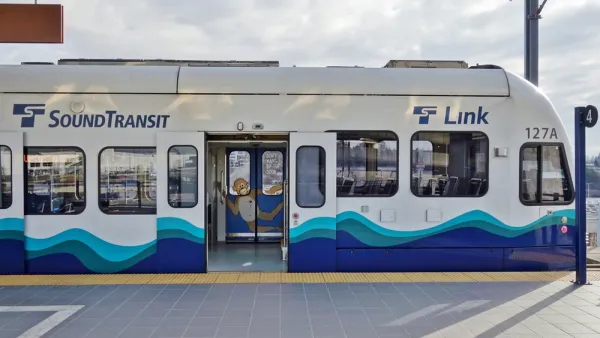
Sound Transit's Lynwood Link Gets the Federal Funding it Was Waiting For
A great sigh of relief from transit planners in the Pacific Northwest (and probably the rest of the country as well).
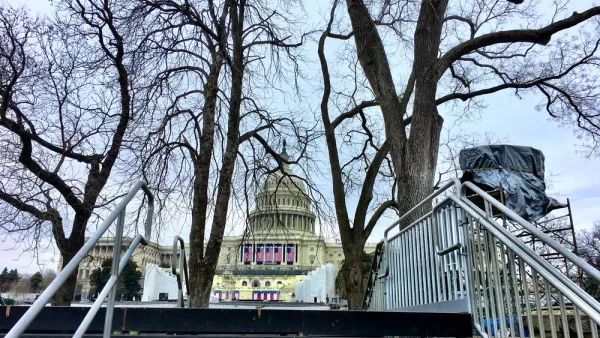
Congress Calls Out the Trump Administration for Transit Funding Delays
The chair of the House Committee on Transportation and Infrastructure used the word "unlawful," when describing the tardy delivery of allocated capital investment funding by the Federal Transit Administration under the Trump administration.

The state-sanctioned urbicide of Austin
People don’t kill cities. Freeways do.

US to reduce Colorado River water deliveries to Mexico
A new Colorado Treaty amendment reduces Mexico’s Colorado River water allocation by 250,000 acre feet.

New Jersey’s second-largest city bans standalone data centers
Jersey City will continue to allow co-location facilities, such as those meant for research institutions that store their own data.

Amtrak not solely to blame for New Jersey commuter rail's unreliability, report finds
A new study from the Garden State Initiative found that NJ Transit’s budget grew 20% across a 4 year period, but reliability declined significantly over the same period.

EPA erases limits on planet-warming pollution from power plants
Under Monday’s plan, power plants would still have some limits on how much mercury, arsenic and other contaminants they can emit.

Phoenix announces new on-demand transit service, more frequent RAPID buses
Both new services will launch in October, and are part of Phoenix's Project Effective Access Solutions for Easing Congestion.

FREE Course: Walkable City 1: Why Walkability?
After describing his path towards focusing on walkability as the essence of good planning, Jeff Speck marches through his five principal reasons for making more walkable places.
Reinventing Malls: Planning Alchemy—Turning Gray Fields Into Gold
The course focuses on the opportunities and imperatives that shape reinvention of mall sites.

Eagle County Government
Harvard University Graduate School of Design
Nashville Planning Department
The Architects Foundation
University of Cincinnati Online
The Pocatello Development Authority
The Urban Renewal Agency of the City of Pocatello
Journal of the American Planning Association