The latest round of funding for the Federal Transit Administration's Capital Investment Grant funding program was announced this week.


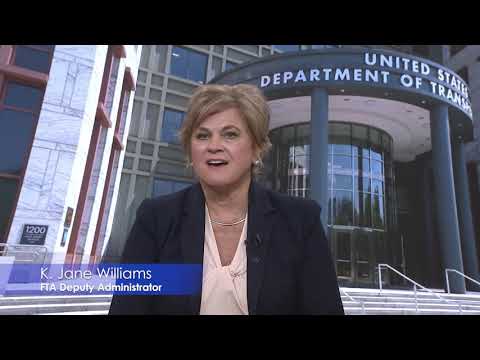
The U.S. Department of Transportation's Federal Transit Administration (FTA) announced this week the latest round of Capital Investment Grant (CIG) program funding, awarding $544.3 million to seven projects in in Arizona, California, Indiana, Minnesota, Missouri, North Carolina, and Utah.
The latest round of funding brings the total CIG program funding during the Trump administration to $10.7 billion to 41 projects.
The seven projects awarded CIG grants in this round:
- Phoenix AZ: Northwest Extension Phase II Project
- San Francisco, CA: Transbay Corridor Core Capacity Project
- Gary, IN: Double Track Northwest Indiana Project
- Minneapolis, MN: Southwest Light Rail Transit Project
- Kansas City, MO: Kansas City Streetcar Main Street Extension Project
- Raleigh, NC: Wake Bus Rapid Transit New Bern Avenue Project
- Ogden, UT: Ogden/Weber State University Bus Rapid Transit Project
"The CIG Program provides funding for major transit infrastructure capital investments nationwide. Projects accepted into the program must go through a multi-year, multi-step process according to requirements in law to be eligible for consideration to receive program funds," according to the FTA press release announcing the latest round of grants.
The CIG grants follow just a few months after the U.S. DOT announced $1 billion in transportation funding for the Better Utilizing Investments to Leverage Development (BUILD) program, which focuses more on rural and road projects.
Capital investment funding is not to be confused with the operations funding U.S. transit agencies are seeking in federal relief as a result of the fiscal ravages of the pandemic. The latest version of an economic recovery package announced this week would award $15 billion in federal funding to prevent transit agencies from making deep service cuts and layoffs—at least until March.

$1 Billion in Transportation Grants Announced by U.S. DOT
The U.S. Department of Transportation recently announced $1 billion in BUILD transportation grants, once again showing a preference for car-centric, rural projects in selecting the winners of this competitive grant process.
Sound Transit's Lynwood Link Gets the Federal Funding it Was Waiting For
A great sigh of relief from transit planners in the Pacific Northwest (and probably the rest of the country as well).

Elaine Chao Resigns as Secretary of the U.S. Department of Transportation
The fallout from this week's attack on the U.S. Capitol Building includes numerous resignations of top Trump administration officials, including Elaine Chao, secretary of the U.S. Department of Transportation.

Planetizen Federal Action Tracker
A weekly monitor of how Trump’s orders and actions are impacting planners and planning in America.

The state-sanctioned urbicide of Austin
People don’t kill cities. Freeways do.

US to reduce Colorado River water deliveries to Mexico
A new Colorado Treaty amendment reduces Mexico’s Colorado River water allocation by 250,000 acre feet.

Baltimore to break ground on $50 million Transit Priority Project
The project will bring faster bus trips, safer streets and better bike connections to Baltimore.

Airbnb launches $250 million 'last-dollar financing' housing accelerator, makes first investment in Austin
The company will put $6.4 million towards affordable housing development in Texas’ capital.

Guerilla urbanists are building DIY bus stop benches in Chicago
A before-and-after of one of the bus stops with a new bench. The new benches are not officially sanctioned or permitted, but the residents who placed them hope they will be the start of a network of DIY benches across the city.

FREE Course: Walkable City 1: Why Walkability?
After describing his path towards focusing on walkability as the essence of good planning, Jeff Speck marches through his five principal reasons for making more walkable places.
Reinventing Malls: Planning Alchemy—Turning Gray Fields Into Gold
The course focuses on the opportunities and imperatives that shape reinvention of mall sites.

Eagle County Government
Harvard University Graduate School of Design
Nashville Planning Department
The Architects Foundation
University of Cincinnati Online
The Pocatello Development Authority
The Urban Renewal Agency of the City of Pocatello
Journal of the American Planning Association