A report from the Natural Resources Defense Council (NRDC) found that Chicago's South and West sides face more air pollution than the wealthier parts of the city.


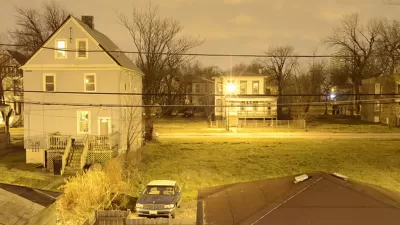
A new study confirms what many in Chicago have said for years: pollution on the South and West sides is worse than the pollution facing the richer parts of the city. "The findings were compiled by the Natural Resources Defense Council, an environmental advocacy group that plans to use the document to try to persuade city officials to end the common practice of steering scrap yards, distribution warehouses and other polluting businesses to neighborhoods with large concentrations of Latino and African-American residents," Brett Chase reports for the Sun Times.
That NRDC study comes at a time when the former site of a coal plant is poised to be redeveloped. "In Little Village, activists fought a proposed warehouse development that’s expected to bring hundreds of diesel-fuel trucks a day to their neighborhood, a neighborhood which already has poor air quality, according to local and federal data," Chase writes. Activists argue that the neighborhood was promised a less polluting use for the land especially after decades of pollution from the coal plant that had stood there. The coal plant has a legacy of higher rates of Asthma in the South Side neighborhoods than other areas around the city.
FULL STORY: In Chicago, pollution hits West Side, South Side the hardest, study finds

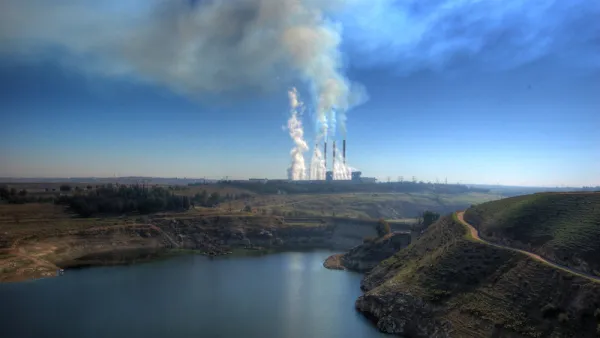
The Trump Administration's Environmental Policies Have Consequences for Black Lives
A Trump administration decision not to tighten Clean Air Act restrictions on soot pollution will have more consequences for Black Americans.
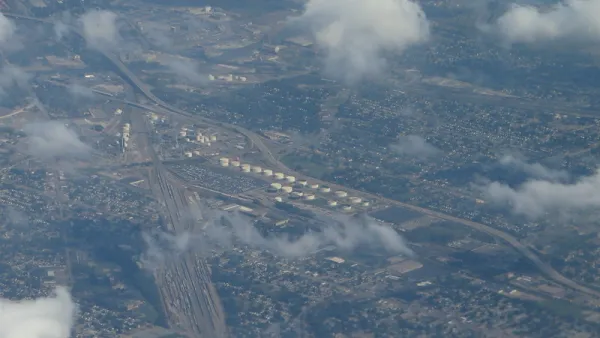
The Environmental Injustices Plaguing Detroit
Despite the decades-long activities of environmental justice advocates in the Motor City, low-income and people of color bear the brunt of pollution in Detroit.
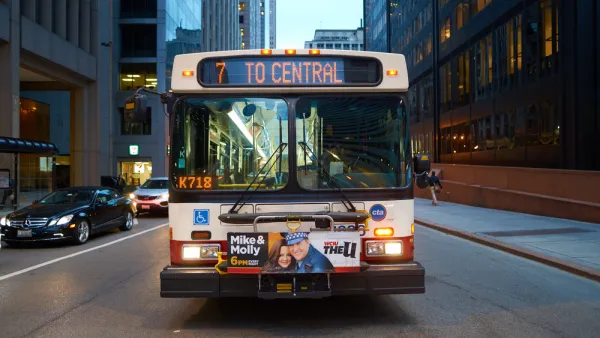
Chicago Creates Incentives for Transit Oriented Developments Along Bus Routes
Mayor Rahm Emanuel's administration will expand its program to incentivize transit oriented development by including land around the 79th Street and Chicago Avenue bus routes.

The state-sanctioned urbicide of Austin
People don’t kill cities. Freeways do.

US to reduce Colorado River water deliveries to Mexico
A new Colorado Treaty amendment reduces Mexico’s Colorado River water allocation by 250,000 acre feet.

New Jersey’s second-largest city bans standalone data centers
Jersey City will continue to allow co-location facilities, such as those meant for research institutions that store their own data.

Amtrak not solely to blame for New Jersey commuter rail's unreliability, report finds
A new study from the Garden State Initiative found that NJ Transit’s budget grew 20% across a 4 year period, but reliability declined significantly over the same period.

EPA erases limits on planet-warming pollution from power plants
Under Monday’s plan, power plants would still have some limits on how much mercury, arsenic and other contaminants they can emit.

Phoenix announces new on-demand transit service, more frequent RAPID buses
Both new services will launch in October, and are part of Phoenix's Project Effective Access Solutions for Easing Congestion.

FREE Course: Walkable City 1: Why Walkability?
After describing his path towards focusing on walkability as the essence of good planning, Jeff Speck marches through his five principal reasons for making more walkable places.
Reinventing Malls: Planning Alchemy—Turning Gray Fields Into Gold
The course focuses on the opportunities and imperatives that shape reinvention of mall sites.

Eagle County Government
Harvard University Graduate School of Design
Nashville Planning Department
The Architects Foundation
University of Cincinnati Online
The Pocatello Development Authority
The Urban Renewal Agency of the City of Pocatello
Journal of the American Planning Association