This isn't a joke about the Philadelphia Eagles. This story is about the deadly consequences of planning and architecture decisions.


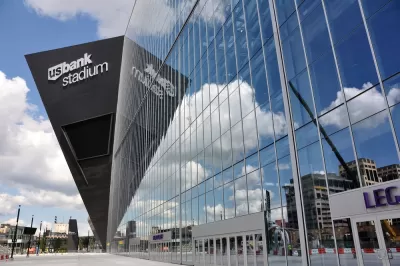
Josh Peter reports on the deadly consequences for birds resulting from construction choices made in the site of today's Super Bowl in Minneapolis.
"The problem: [U.S. Bank Stadium] sits within a migratory bird pathway, and reflective glass that gives the stadium a spectacular look also leads to fatal collisions for birds that mistake glass for sky," according to Peter. White-throated sparrows, ruby-throated hummingbirds, and 20 other species of birds have been found dead around the stadium since it opened in 2016.
The problem is made all the more tragic by the fact that these bird deaths could have been prevented with bird-safe glass that would have added $1 million to the cost of the $1.1 billion stadium (financed with the help of almost $500 million in public funding).
Peter talks with local environmentalists and bird lovers concerned about the deaths of so many birds. Bryan Trubey, lead architect on U.S. Bank Stadium, refused an invitation to speak on the record about the bird deaths. The Vikings and the Minnesota Sports Facilities Authority are undertaking a bird fatality study expected for completion in 2019.
Read the full story: Site of Super Bowl LII is a death trap for birds

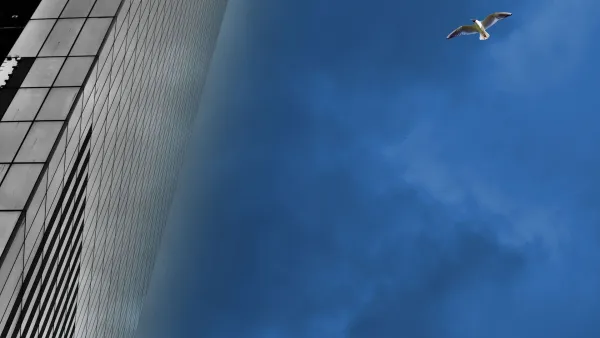
New York Largest U.S. City to Require Bird-Friendly Building Materials
The New York City Council approved Proposed Initiative 1482B by an overwhelming margin, ensuring bird-friendly design and construction practices in the largest U.S. city.
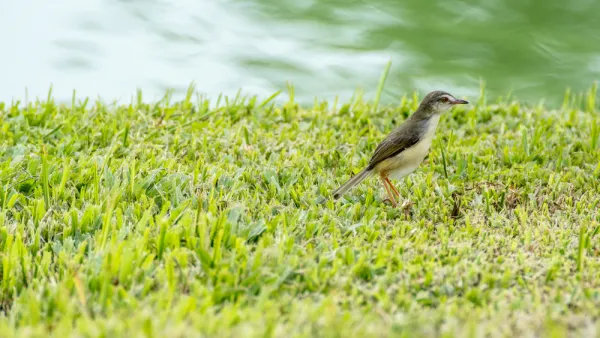
Galveston Building Causes Bird Massacre
Galveston, Texas stands on the Gulf of Mexico and sits on the path of a number of bird migrations. 395 of those birds were killed Wednesday night striking a single building in the city's downtown.
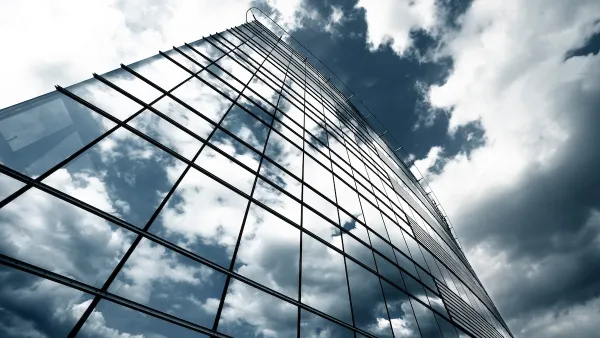
Protecting Birds From Window Glass
Glass windows kill billions of birds each year. Simple fixes can help.

Planetizen Federal Action Tracker
A weekly monitor of how Trump’s orders and actions are impacting planners and planning in America.

The state-sanctioned urbicide of Austin
People don’t kill cities. Freeways do.

US to reduce Colorado River water deliveries to Mexico
A new Colorado Treaty amendment reduces Mexico’s Colorado River water allocation by 250,000 acre feet.

Nation's most wind-powered state turns to coal as data centers increase energy demand
For the first time in decades, Iowa has increased its generation of coal power.

NYC cools commuters with city's first rain garden above a bus stop
New York City officials say the plants in the rain garden can absorb 16 gallons of rainwater during heavy storms.

Brightline West’s future may rely on $6 billion federal loan
The company has until Nov. 2 to make a $400 million equity investment into its proposed high-speed rail line.

FREE Course: Walkable City 1: Why Walkability?
After describing his path towards focusing on walkability as the essence of good planning, Jeff Speck marches through his five principal reasons for making more walkable places.
Reinventing Malls: Planning Alchemy—Turning Gray Fields Into Gold
The course focuses on the opportunities and imperatives that shape reinvention of mall sites.

Greater Baltimore Committee
Eagle County Government
Harvard University Graduate School of Design
The Architects Foundation
University of Cincinnati Online
The Pocatello Development Authority
The Urban Renewal Agency of the City of Pocatello
Journal of the American Planning Association